3.5 Plant evolution and speciation

🥀Intro to Botany Unit 3 Review
3.5 Plant evolution and speciation
🥀 Intro to Botany
Origins of Plant Life
The story of plants begins in water. The ancestors of all modern plants were aquatic organisms, and the move onto land required a complete overhaul of how plants handled water, reproduction, and structural support. That transition is one of the most important events in the history of life on Earth.

Top images from around the web for Algal ancestors
Green Algae: Precursors of Land Plants | OpenStax Biology 2e View original
Is this image relevant?
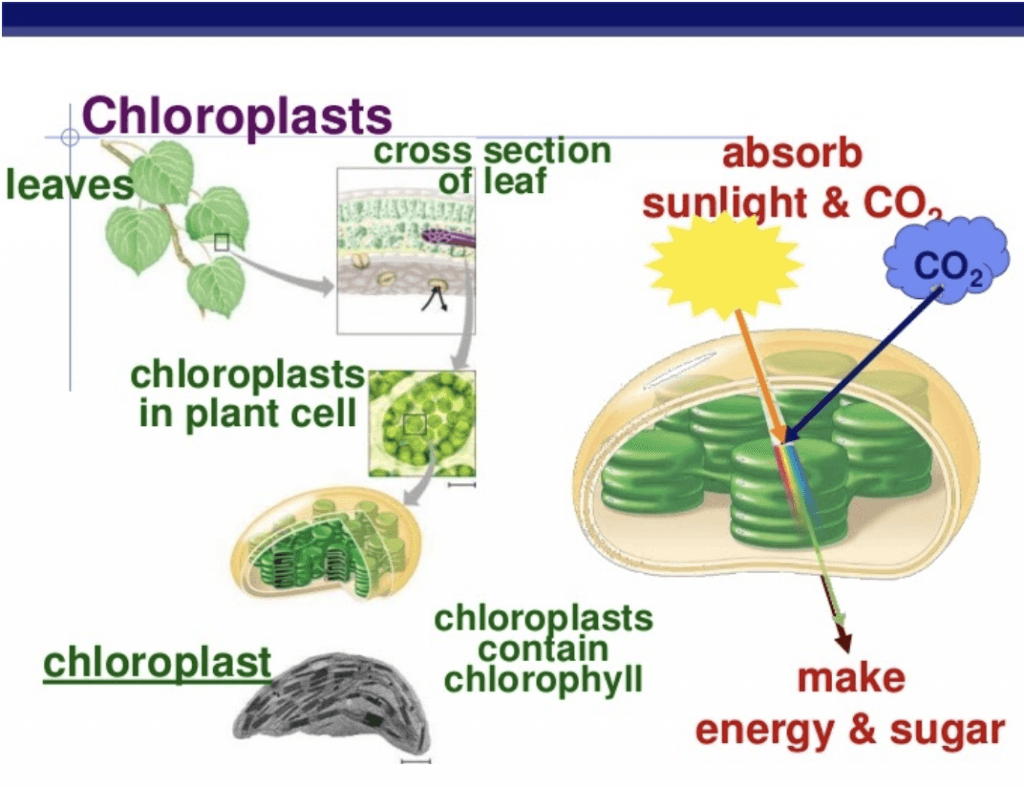
Photosynthesis – Classroom Partners View original
Is this image relevant?
Evolutionary history of plants - Wikipedia View original
Is this image relevant?
Green Algae: Precursors of Land Plants | OpenStax Biology 2e View original
Is this image relevant?
Photosynthesis – Classroom Partners View original
Is this image relevant?
Algal Ancestors
Modern plants trace their ancestry to green algae (specifically the group Charophyta, the closest living relatives of land plants) that lived in aquatic environments during the Precambrian era. These algae already had chloroplasts and could photosynthesize, producing oxygen and organic compounds.
Over time, some algal lineages evolved multicellularity and began colonizing nearshore environments, where periodic exposure to air set the stage for the eventual transition to land.
Transition to Land
The move from water to land didn't happen overnight. It was a gradual process spanning millions of years. Early land plants, such as liverworts and mosses, likely appeared during the Ordovician and Silurian periods (roughly 450–400 million years ago).
This colonization had massive consequences beyond plants themselves. Land plants dramatically increased atmospheric oxygen levels and created soil, which in turn made it possible for animals to colonize land.
Adaptations for Terrestrial Life
Life on land presents challenges that don't exist in water: drying out, standing upright without buoyancy, and reproducing without a surrounding water medium. Plants evolved several key adaptations to handle these problems:
- Cuticles — a waxy coating on aerial surfaces that prevents water loss and provides UV protection
- Stomata — tiny pores that open and close to regulate gas exchange while minimizing water loss
- Vascular tissues — xylem (carries water and minerals up) and phloem (carries sugars throughout the plant), allowing transport over long distances
- Roots — anchor the plant and absorb water and nutrients from soil
- Sporopollenin-coated spores — extremely tough walls that resist desiccation, allowing dispersal through dry air
These adaptations appeared at different points in plant evolution, not all at once. Together, they opened up virtually every terrestrial habitat to plant colonization.
Major Plant Lineages
Plant evolution produced four major lineages, each representing a key step in complexity. Think of them as a progression: from small, water-dependent plants to the seed- and flower-producing giants that dominate today.
Bryophytes (Non-vascular Plants)
Bryophytes include mosses, liverworts, and hornworts. They're the earliest-diverging lineage of land plants and lack true vascular tissue, which limits their size (most are only a few centimeters tall). They need direct contact with water for reproduction because their sperm must swim to reach eggs.
A defining feature: bryophytes have a dominant gametophyte generation. The green, leafy moss you see on a rock is the gametophyte. The small stalk growing out of it is the sporophyte, which stays attached to and dependent on the gametophyte.
Seedless Vascular Plants
Ferns and horsetails were the first plants to evolve true vascular tissue (xylem and phloem). This was a huge deal because vascular tissue lets plants grow much taller and transport resources efficiently.
Unlike bryophytes, seedless vascular plants have a dominant sporophyte generation. The large fern frond you see is the sporophyte. They still reproduce via spores (not seeds), and their sperm still require water to swim, so they tend to thrive in moist environments.
Gymnosperms
Gymnosperms include conifers, cycads, and ginkgos. The name means "naked seed" because their seeds develop exposed on the surface of cone scales rather than enclosed in a fruit.
Two big evolutionary advances define this group: seeds (which protect and nourish the embryo) and pollen (which delivers sperm without needing water). These innovations freed gymnosperms from dependence on moist habitats. They dominated global vegetation during the Mesozoic era (252–66 million years ago), and conifers remain dominant in many ecosystems today, such as boreal forests and redwood groves.
Angiosperms (Flowering Plants)
Angiosperms are the most diverse plant group by far, with over 300,000 known species. Two features set them apart: flowers (which attract pollinators and increase reproductive efficiency) and fruits (which protect seeds and aid dispersal by wind, water, or animals).
Their gametophyte generation is extremely reduced. The entire female gametophyte in most angiosperms is just seven cells inside the ovule. This streamlined reproduction, combined with coevolution with animal pollinators, has made angiosperms spectacularly successful across nearly every terrestrial habitat.
Mechanisms of Speciation
Speciation is the process by which one species splits into two or more distinct species. In plants, this happens through several mechanisms, and some of them are surprisingly common in the plant kingdom compared to animals.
Allopatric vs. Sympatric Speciation
Allopatric speciation happens when a population gets physically divided by a geographic barrier (a mountain range, a river, an ocean). The separated populations experience different selection pressures and genetic drift, eventually diverging enough to become separate species. The Hawaiian silverswords are a classic example: a single ancestor colonized the islands and diversified into roughly 30 species across different habitats.
Sympatric speciation happens within the same geographic area, without physical separation. In plants, this often occurs through polyploidy (see below), where a new species arises in a single generation because it can no longer interbreed with its parent species. This is actually more common in plants than in animals.
Reproductive Isolation
For two populations to become separate species, gene flow between them must stop. This happens through reproductive barriers:
- Prezygotic barriers prevent mating or fertilization from occurring in the first place. Examples include different flowering times (one species blooms in April, another in June) or different pollinator preferences (one attracts bees, another attracts hummingbirds).
- Postzygotic barriers act after fertilization. Hybrid offspring may be sterile (like a mule), inviable (they don't survive), or less fit than either parent species.
Both types of barriers can develop gradually as populations diverge, reinforcing the separation between emerging species.

Hybridization and Polyploidy
This is where plant speciation gets really distinctive. Hybridization (interbreeding between different species) is far more common in plants than in animals, and it can actually create new species.
Polyploidy is the condition of having more than two complete sets of chromosomes. It comes in two forms:
- Autopolyploidy — genome duplication within a single species (e.g., a diploid becomes tetraploid)
- Allopolyploidy — genome duplication following hybridization between two different species
Polyploidy is remarkably common in plants. An estimated 30–80% of living plant species are polyploid. Many important crops are polyploid: bread wheat is hexaploid (six sets of chromosomes), and cotton is allotetraploid. Because a new polyploid can't successfully cross back with its diploid parent, polyploidy can create a new species in a single generation.
Evolutionary Trends
Several overarching trends run through the entire history of plant evolution. Recognizing these patterns helps you see the big picture rather than just memorizing individual lineages.
Alternation of Generations
All plants alternate between two multicellular body forms: the gametophyte (haploid, produces gametes) and the sporophyte (diploid, produces spores). This alternation of generations is a defining feature of the plant life cycle.
The balance between these two generations has shifted dramatically over evolutionary time, which leads directly to the next trend.
Sporophyte Dominance
In bryophytes, the gametophyte is the larger, longer-lived generation. But as you move through ferns, gymnosperms, and angiosperms, the sporophyte becomes increasingly dominant while the gametophyte shrinks:
- Bryophytes — gametophyte dominant; sporophyte small and dependent
- Ferns — sporophyte dominant; gametophyte is a small, independent structure (the prothallus)
- Gymnosperms — sporophyte dominant; gametophyte reduced to structures within cones
- Angiosperms — sporophyte dominant; female gametophyte reduced to just seven cells
This trend toward sporophyte dominance allowed plants to grow larger, live longer, and exploit a wider range of environments.
Seed Evolution
Seeds were a major evolutionary breakthrough. A seed packages an embryo together with a food supply inside a protective coat, allowing the offspring to survive harsh conditions and disperse far from the parent.
Seeds first appeared in the gymnosperm lineage. Angiosperms further refined the concept by enclosing seeds within fruits, which added new dispersal strategies (animals eating fruit, for instance). The evolution of seeds freed plants from dependence on moist environments for reproduction.
Flower Evolution
Flowers are the defining feature of angiosperms and have been central to their explosive diversification. A flower concentrates reproductive structures in one place and often recruits animal pollinators through color, scent, and nectar rewards.
This relationship between flowers and pollinators has driven coevolution on both sides. Orchids alone have over 25,000 species, many with highly specialized pollination mechanisms. The evolution of fruits alongside flowers added another layer of interaction, recruiting animals for seed dispersal as well.
Diversity and Adaptations
Plants occupy nearly every habitat on Earth, from deserts to the Arctic tundra to the ocean's edge. This range is possible because of an enormous variety of morphological and physiological adaptations.
Morphological Adaptations
Plants have evolved structural modifications suited to their specific environments:
- Needle-like leaves in conifers reduce surface area and water loss in cold, dry climates
- Succulent stems in cacti store water for survival in arid deserts
- Reduced, wind-pollinated flowers in grasses reflect open, windy habitats where insect pollinators are less reliable
- Aerial roots in epiphytic orchids absorb moisture directly from humid air
These morphological differences often reflect the specific selection pressures of a plant's native habitat.
Physiological Adaptations
Beyond visible structures, plants have evolved internal biochemical strategies:
- C4 and CAM photosynthesis — alternative carbon fixation pathways that reduce water loss in hot, dry environments. Maize uses C4; pineapple uses CAM.
- Nitrogen-fixing symbioses — legumes partner with Rhizobium bacteria in root nodules to convert atmospheric nitrogen into usable forms, a huge advantage in nutrient-poor soils.
- Secondary metabolites — chemical compounds like tannins, alkaloids, and terpenes that defend against herbivores and pathogens. Caffeine and nicotine are both plant defense chemicals.
Ecological Niches
The combination of morphological and physiological adaptations has allowed plants to fill an extraordinary range of ecological niches. Plants thrive in deserts, tundra, tropical rainforests, freshwater, and even on other plants (epiphytes).
Plants also form critical partnerships with other organisms. Mycorrhizal fungi help most land plants absorb nutrients. Pollinators and seed dispersers move plant genes and offspring across landscapes. These interactions have shaped both plant evolution and the structure of entire ecosystems.
Coevolution
Coevolution occurs when two interacting species exert reciprocal selection pressure on each other, driving evolutionary change in both. Plants are involved in some of the most striking examples of coevolution in nature.

Plant-Pollinator Interactions
Many flowers have evolved traits that target specific pollinators. Tubular red flowers with copious nectar attract hummingbirds. Pale, fragrant flowers that open at night attract moths. Flowers with landing platforms and ultraviolet nectar guides attract bees.
Pollinators, in turn, have evolved to exploit these rewards. Hawk moths, for example, have evolved extremely long proboscises to reach nectar at the bottom of deep tubular flowers. This kind of reciprocal specialization can become very tight: some orchid species are pollinated by only a single species of insect.
Plant-Herbivore Interactions
Plants and herbivores are locked in an evolutionary arms race. Plants evolve defenses; herbivores evolve ways around them.
Plant defenses include:
- Physical barriers — thorns, spines, tough leaves, and trichomes (tiny hairs)
- Chemical defenses — toxins like alkaloids, or digestibility reducers like tannins
- Indirect defenses — volatile compounds released when a plant is damaged that attract predators of the herbivore
Herbivores counter with detoxification enzymes, specialized gut microbes, or behavioral strategies. Monarch butterflies, for instance, can tolerate the cardiac glycosides in milkweed that are toxic to most other insects, and they even sequester these toxins for their own defense against predators.
Plant-Fungi Symbioses
About 90% of land plant species form mycorrhizal associations with fungi. The plant provides the fungus with sugars from photosynthesis. The fungus, with its vast network of thin hyphae, dramatically increases the plant's access to water and soil nutrients (especially phosphorus).
These partnerships are ancient. Fossil evidence suggests mycorrhizal associations existed in some of the earliest land plants, over 400 million years ago. Specialized structures like arbuscules (sites of nutrient exchange in arbuscular mycorrhizae) reflect a long coevolutionary history. These symbioses are so important that many plants grow poorly or die without their fungal partners.
Molecular Evidence
Modern molecular tools have transformed how scientists study plant evolution. DNA sequences, whole-genome comparisons, and fossil calibration now work together to build a much clearer picture of plant evolutionary history than morphology alone could provide.
Phylogenetic Analysis
Phylogenetic analysis uses DNA sequence data to reconstruct evolutionary relationships and build "family trees" (phylogenies) for plant groups.
The basic process:
- Collect homologous DNA sequences (the same gene region) from multiple species
- Align the sequences and identify similarities and differences
- Use computational methods to determine which branching pattern best explains the observed differences
- Estimate divergence times using molecular clock models
This approach has resolved many long-standing debates. For example, molecular phylogenetics confirmed that the closest living relatives of land plants are charophyte green algae, and it clarified the placement of angiosperms within the seed plant lineage.
Comparative Genomics
Comparative genomics goes beyond single genes to compare entire genomes across species. This reveals large-scale evolutionary events that single-gene studies might miss.
Key findings from plant comparative genomics include:
- Whole-genome duplication events are common throughout plant evolution. The model plant Arabidopsis has undergone at least three rounds of whole-genome duplication. The Brassicaceae family (mustards, cabbages) shows additional duplications.
- Gene family expansions — certain gene families have expanded dramatically in particular lineages, often correlating with new adaptive traits
- Transposable element activity — "jumping genes" make up large portions of plant genomes and have played significant roles in genome evolution
Fossil Record Integration
Molecular data tells you relationships, but fossils tell you when and what things looked like. Combining the two gives a much richer picture.
Fossils provide direct evidence of extinct plant forms and help calibrate molecular clocks (assigning actual dates to branching points on phylogenetic trees). Advances in paleobotany, such as studying plant-insect interactions preserved in amber or reconstructing ancient plant communities from pollen records, continue to refine our understanding of how plant diversity has changed over deep time.
Current Research
Plant evolutionary biology is an active field with several exciting research frontiers. Here are three areas where significant progress is being made.
Evolutionary Developmental Biology
Evolutionary developmental biology (evo-devo) investigates how changes in genes that control development lead to new body forms over evolutionary time. In plants, a major focus has been MADS-box transcription factors, a family of genes that control flower organ identity (sepals, petals, stamens, carpels).
The ABC model of flower development, built on MADS-box gene research, explains how different combinations of gene activity specify different floral organs. Evo-devo researchers are now exploring how modifications to these gene networks have produced the enormous diversity of flower forms across angiosperms.
Convergent Evolution
Convergent evolution occurs when distantly related species independently evolve similar traits in response to similar environmental pressures. Plants provide some striking examples:
- C4 photosynthesis has evolved independently over 60 times across different plant families
- Succulent water storage has evolved separately in cacti (Americas), euphorbs (Africa), and other lineages
- Carnivorous habits (trapping and digesting insects) have evolved independently in at least six plant lineages
Researchers are investigating whether the same genes and developmental pathways are recruited each time these traits evolve, or whether different genetic routes can produce the same outcome.
Anthropogenic Impacts on Evolution
Human activities are now a major force shaping plant evolution. Habitat fragmentation isolates populations, reducing genetic diversity and gene flow. Climate change is shifting the ranges and flowering times of many species. Selective breeding of crops has dramatically altered plant genomes over thousands of years.
Current research in this area examines how plant populations are responding evolutionarily to rapid environmental change, whether crop domestication has created genetic bottlenecks that make crops vulnerable, and how evolutionary principles can guide conservation and ecological restoration efforts.
See Fiveable more often in Google
Mark Fiveable as a preferred source and Google is more likely to show you our guides in Top Stories, with a "preferred" badge in AI Mode and AI Overviews.