6.3 Fuel Types and Uses

♻️AP Environmental Science Unit 6 Review
6.3 Fuel Types and Uses
♻️ AP Environmental Science
Fuel types differ in how they form, how people use them, and how much energy or pollution they produce. In AP Environmental Science, you should recognize wood, peat, coal grades, natural gas, crude oil, tar sands, refined fuels, and cogeneration so you can compare fuel trade-offs instead of just naming them.
APES 6.3: Fuel Types and Uses
APES 6.3 asks you to identify common fuels and explain why people use them. Wood and peat are accessible fuels often connected to heating and cooking, coal types differ by heat, pressure, depth of burial, and energy content, natural gas is mostly methane and is the cleanest-burning fossil fuel, and crude oil can be refined for specialized uses like transportation.
The exam usually wants comparison, not memorization by itself. Know what peat is, how lignite, bituminous coal, and anthracite differ, what tar sands contain, and why cogeneration is more efficient because one fuel source produces both useful heat and electricity.
Why This Matters for the AP Environmental Science Exam
Fuel types show up across Unit 6 and connect to pollution topics later in the course. On the exam you may need to identify a fuel from a description, compare two fuels, or explain why a country relies on a certain fuel based on access and development level. This topic also supports free-response questions that ask you to explain environmental impacts of energy use and propose solutions, since you cannot evaluate trade-offs without knowing what each fuel is and how it burns.
Expect to use this knowledge alongside data and maps. Knowing that natural gas burns cleaner than coal, or that wood is common in developing countries because it is easy to access, gives you the evidence you need to back up claims.
Key Takeaways
- Wood (as firewood and charcoal) and peat are low-tech fuels often used for heating and cooking, especially in developing countries because they are easy to access.
- Coal forms through heat, pressure, and depth of burial, producing lignite, bituminous, and anthracite in order of increasing energy content.
- Natural gas is the cleanest-burning fossil fuel and is mostly methane.
- Crude oil can be refined into specialized fuels like gasoline, diesel, and jet fuel, and it can also be recovered from tar sands made of clay, sand, water, and bitumen.
- Cogeneration (combined heat and power) uses one fuel source to make both useful heat and electricity, which raises efficiency.
- Comparing fuels by accessibility, energy content, and pollution is the core skill this topic builds.
Wood and Peat
Wood is one of the oldest and most accessible fuels. It is burned as firewood or turned into charcoal. Because it is easy to find and does not require advanced technology, wood is commonly used in developing countries for cooking and heating.
Peat is partially decomposed organic material that builds up in waterlogged places like bogs and wetlands. It is a low-grade fuel with high water content, so it does not release as much energy as coal and produces a lot of smoke when burned. Peat is still used for heating and cooking in some regions.
Peat is also an early stage in coal formation, which is why peatlands matter. When peatlands are harmed, that slow natural process of coal development is cut off.
Coal
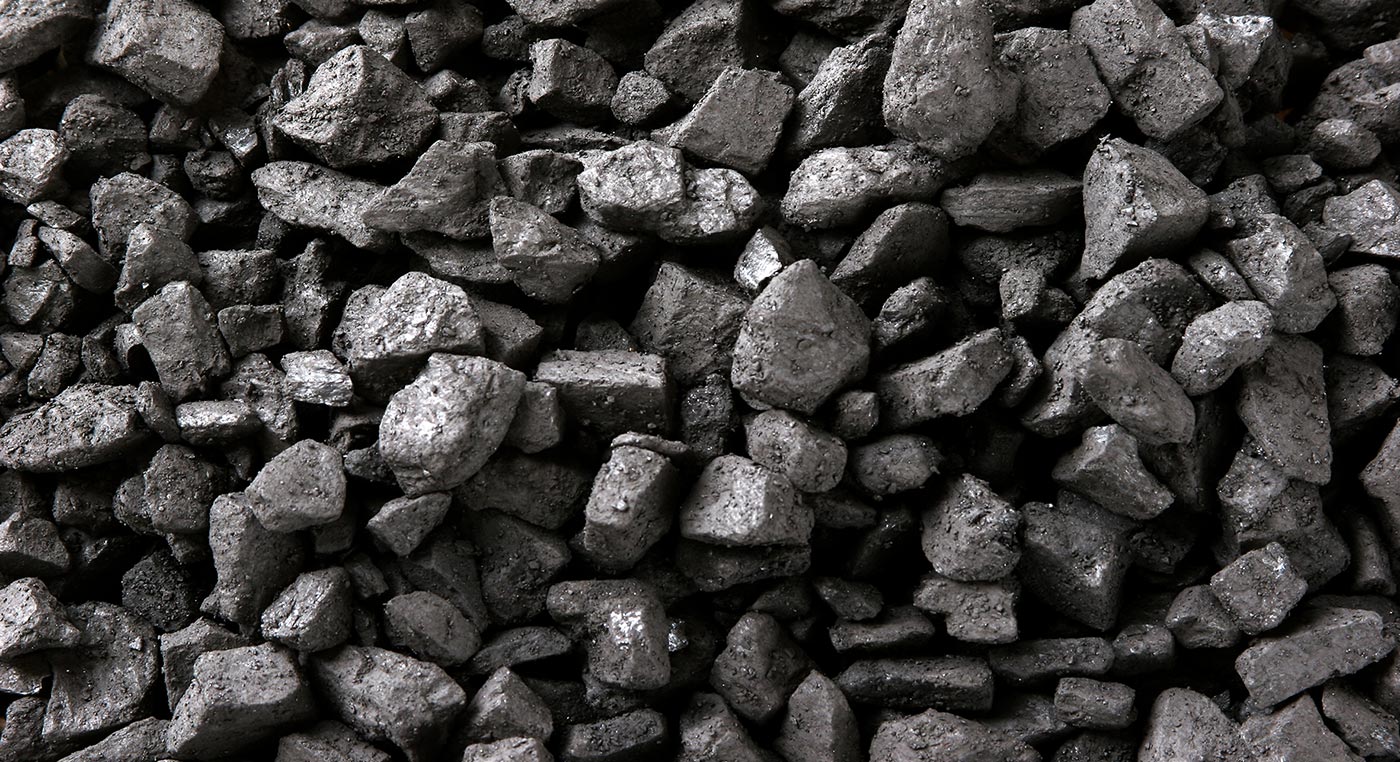
Coal forms from ancient plant material that decomposed in swamps and wetlands and was then buried. Heat, pressure, and depth of burial transform that material over long periods, and those conditions determine the coal grade. As you go deeper and add more heat and pressure, the coal becomes more compressed and energy-dense.
The progression of coal formation goes:
- Peat - the starting organic material, very high water content and low energy
- Lignite - compressed peat, soft and relatively low energy
- Bituminous - more compressed, higher energy than lignite
- Anthracite - the hardest coal with the highest heat content per unit, so it releases the most energy when burned
The three types of coal used as fuel are lignite, bituminous, and anthracite. Anthracite is prized for its high heat content, but it is less abundant than the softer coals. Coal in general burns longer and hotter than wood, which is one reason it became a major energy source in industrialized countries.
Natural Gas
Natural gas is mostly methane (CH4) and is the cleanest-burning of the fossil fuels. When it combusts, it releases fewer pollutants than coal or oil, mainly carbon dioxide and water vapor. It forms underground from buried organic material under heat and pressure, often alongside crude oil, and is extracted by drilling down to the deposits.
Because natural gas is nonrenewable, it takes far longer to form than we use it, so the supply is finite even though it burns more cleanly.
Crude Oil and Tar Sands
Crude oil (petroleum) forms from organic material buried under sediment over millions of years, producing long chains of hydrocarbons made of hydrogen and carbon. It is nonrenewable, has high energy content, and is relatively inexpensive, which is why it is so widely used. Burning oil contributes to air pollution and releases carbon dioxide.
Crude oil can also be recovered from tar sands, which are a combination of clay, sand, water, and bitumen. Extracting and processing oil from tar sands is more involved than pumping conventional crude.
Refined Fuels
A single barrel of crude oil is refined into many specialized fuel types. Fossil fuels can be processed into fuels tailored for specific uses, such as:
- Gasoline for most motor vehicles
- Diesel for trucks and heavier engines
- Jet fuel (kerosene) for aircraft
This ability to refine crude into different products is a big reason oil is so central to transportation.
Cogeneration
Cogeneration, also called combined heat and power (CHP), happens when a single fuel source is used to generate both useful heat and electricity at the same time. Normal power plants waste a lot of heat; cogeneration captures that heat for things like space heating, hot water, or industrial processes. Using one fuel for two outputs makes the system more efficient and can lower emissions. Cogeneration can run on many fuels, including natural gas, coal, and biomass.
How to Use This on the AP Environmental Science Exam
MCQ
- Match a fuel to a description. If a question describes "partially decomposed organic material from a bog," that is peat, not coal.
- Rank coal types by energy content: anthracite is highest, lignite is lowest, with bituminous in between.
- Identify the cleanest fossil fuel. If asked which fossil fuel releases the fewest pollutants when burned, the answer is natural gas.
- Connect fuel choice to development level. Wood is common in developing countries because it is accessible and low-tech.
Free Response
- Be specific. If you are asked to compare two fuels, name the actual trade-offs: energy content, accessibility, and pollutants released.
- When proposing solutions to energy-related problems, you can reference cleaner-burning options like natural gas or efficiency gains from cogeneration, and explain why they reduce impact.
- Use cause and effect. For example, explain that burning low-grade peat or lignite releases more smoke and particulates per unit of energy than burning anthracite or natural gas.
Common Trap
Do not assume "cleaner" means "renewable." Natural gas burns cleaner than coal but is still a nonrenewable fossil fuel that releases carbon dioxide.
Common Misconceptions
- Misconception: Peat and coal are the same thing.Actually: Peat and coal are not the same thing. Peat is an early, high-water, low-energy stage that can eventually become coal under heat, pressure, and burial. Coal is the more compressed, energy-dense result.
- Misconception: The cleanest fossil fuel has zero emissions.Actually: Cleanest fossil fuel does not mean zero emissions. Natural gas is the cleanest-burning fossil fuel, but it still produces carbon dioxide and is nonrenewable.
- Misconception: Higher coal grade means more abundance.Actually: Higher coal grade means more energy, not more abundance. Anthracite has the highest heat content, but it is less common than softer coals like lignite and bituminous.
- Misconception: Tar sands are pure oil.Actually: Tar sands are not pure oil. They are a mix of clay, sand, water, and bitumen, and the crude oil has to be recovered and processed from that mixture.
- Misconception: Crude oil is used as one single fuel.Actually: Crude oil is not used as one single fuel. It is refined into different products like gasoline, diesel, and jet fuel, each suited to a specific use.
- Misconception: Biomass like wood is free of impact.Actually: Biomass like wood is a fuel, but it is not "free" of impact. Burning wood still releases smoke and particulates, and overharvesting trees for fuel can cause deforestation.
Related AP Environmental Science Guides
Practice Questions for 6.3
1 of 10
A large university campus currently uses a coal-fired power plant for electricity and separate natural gas boilers to heat its buildings. The university has a mandate to reduce its overall greenhouse gas emissions and improve energy efficiency by 30% within the next five years, but it lacks the capital to completely transition to renewable energy sources like solar or wind. The administration is reviewing proposals to modify their fossil fuel infrastructure to meet these goals.
Which of the following claims proposes the most effective solution to meet the university's efficiency and emission goals using available fossil fuel technologies?
A.
Replace the natural gas heating boilers with electric heaters powered by the coal plant.
B.
Install a natural gas cogeneration system to produce both electricity and building heat.
C.
Switch the coal-fired power plant to burn peat to reduce the carbon footprint of power.
D.
Extract crude oil from tar sands to use as a single high-energy fuel source for campus.
Vocabulary
The following words are mentioned explicitly in the AP® course framework for this topic.Term | Definition |
|---|---|
anthracite | A type of coal with the highest carbon content and energy density, formed under the greatest heat and pressure. |
bitumen | A thick, sticky petroleum product found in tar sands that can be extracted as crude oil. |
bituminous coal | A type of coal with moderate carbon content and energy density, formed under moderate heat and pressure. |
charcoal | A form of wood fuel created through partial combustion or heating of wood, used as an energy source. |
cogeneration | The simultaneous generation of useful heat and electricity from a single fuel source. |
crude oil | Unrefined petroleum extracted from the earth, used as an energy resource and raw material for various products. |
firewood | Wood burned directly as a fuel source, commonly used in developing countries for heating and cooking. |
fossil fuels | Non-renewable energy sources formed from ancient organic matter, including coal, oil, and natural gas, that release carbon dioxide when burned. |
lignite | A type of coal with lower carbon content and energy density, formed with less heat and pressure than other coal types. |
methane | A greenhouse gas with global warming potential lower than nitrous oxide but higher than carbon dioxide, contributing to climate change. |
natural gas | A fossil fuel composed mostly of methane, considered the cleanest of the fossil fuels. |
peat | Partially decomposed organic material that can be burned as a fuel source. |
tar sands | A combination of clay, sand, water, and bitumen from which crude oil can be recovered. |
Frequently Asked Questions
What is APES 6.3 about?
APES 6.3 covers common fuel types and their uses, including wood, peat, coal, natural gas, crude oil, tar sands, refined fuels, and cogeneration.
What is peat in AP Environmental Science?
Peat is partially decomposed organic material found in waterlogged areas like bogs. It can be burned as a low-grade fuel and is an early stage in coal formation.
What are the three types of coal in APES?
The three coal types used as fuel are lignite, bituminous, and anthracite. More heat, pressure, and burial generally produce coal with higher energy content.
Why is natural gas called the cleanest fossil fuel?
Natural gas is mostly methane and releases fewer pollutants than coal or oil when burned. It is still nonrenewable and still releases carbon dioxide.
What are tar sands made of?
Tar sands are a mixture of clay, sand, water, and bitumen. Crude oil can be recovered from them, but extraction and processing are more involved than conventional oil production.
What is cogeneration in APES?
Cogeneration, or combined heat and power, uses one fuel source to produce both useful heat and electricity. Capturing the heat raises overall energy efficiency.
See Fiveable more often in Google
Mark Fiveable as a preferred source and Google is more likely to show you our guides in Top Stories, with a "preferred" badge in AI Mode and AI Overviews.