5.2 Concrete and Cement

👷🏻♀️Intro to Civil Engineering Unit 5 Review
5.2 Concrete and Cement
👷🏻♀️ Intro to Civil Engineering
Concrete and cement form the backbone of modern infrastructure. Understanding their composition, properties, and environmental impact helps civil engineers make smart decisions about material selection, balancing strength, durability, and sustainability.
Cement and Concrete Composition

Top images from around the web for Cement Production and Composition
Assessment of the Integrity and Retention of Chromium (VI) in Portland Cement Pastes View original
Is this image relevant?
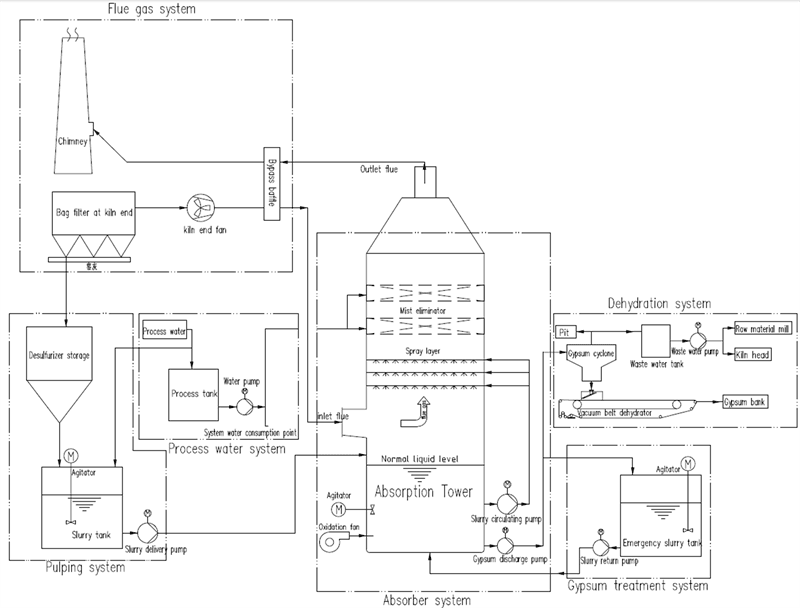
The Selection and Application of Anticorrosive Materials for Flue Gas Desulfurization (FGD ... View original
Is this image relevant?
Calcination kinetics of cement raw meals under various CO 2 concentrations - Reaction Chemistry ... View original
Is this image relevant?
Assessment of the Integrity and Retention of Chromium (VI) in Portland Cement Pastes View original
Is this image relevant?
The Selection and Application of Anticorrosive Materials for Flue Gas Desulfurization (FGD ... View original
Is this image relevant?
Cement Production and Composition
Cement is a binder material composed primarily of calcium silicates, aluminates, and ferrites. When mixed with water, it forms a paste that holds everything together. Portland cement is by far the most common type used in concrete production.
The production process follows these steps:
- Mine the raw materials (limestone, clay, shale)
- Crush and grind them into a fine powder
- Blend the materials in correct proportions
- Heat the mixture in a rotary kiln at roughly 1450°C to form small nodules called clinker
- Grind the clinker with a small amount of gypsum to produce the final cement powder
Quality control tests happen throughout production and placement. Slump tests measure workability (how easily the fresh concrete flows), while compressive strength tests confirm the hardened concrete meets design requirements.
Concrete Mixing and Hydration
Concrete is a composite material made by mixing cement, water, aggregates (sand and gravel), and sometimes admixtures or supplementary cementitious materials. Each ingredient plays a role: cement binds, water activates the chemistry, and aggregates provide bulk and strength.
The water-to-cement ratio (w/c ratio) is one of the most important variables in concrete mix design. A lower w/c ratio produces stronger concrete, but it also makes the mix harder to work with. Finding the right balance is a core challenge in mix design.
Hydration is the chemical reaction between cement and water that causes concrete to harden and gain strength over time. This isn't just drying out; it's an actual chemical process. Concrete continues gaining strength for weeks after it's placed, which is why curing conditions matter so much.
Concrete Properties and Applications

Types of Concrete and Their Uses
- Normal-strength concrete has compressive strength between 20 and 40 MPa. It's the workhorse of construction, used in buildings, pavements, and most general applications.
- High-strength concrete exceeds 40 MPa in compressive strength. You'll find it in high-rise buildings, long-span bridges, and structures that need superior load-bearing capacity. Achieving this typically requires a low w/c ratio and careful mix design.
- Lightweight concrete uses specialized aggregates (like expanded shale or clay) to reduce density. The lower weight improves thermal insulation and is useful where weight reduction matters, such as roof decks and long-span bridge decks.
- Self-consolidating concrete (SCC) has high flowability, meaning it fills formwork and surrounds reinforcement without needing mechanical vibration. This makes it ideal for complex shapes or areas with congested reinforcement where a vibrator can't easily reach.
Specialized Concrete Applications
Fiber-reinforced concrete incorporates fibers (steel, glass, or synthetic) into the mix. Plain concrete is strong in compression but weak in tension, and fibers help bridge cracks and improve tensile strength, ductility, and crack resistance. Common uses include industrial flooring, tunnel linings, and precast elements.
Pervious concrete is designed with high porosity so water can pass directly through it. This makes it valuable for stormwater management in parking lots and walkways, reducing runoff and helping recharge groundwater.
Shotcrete is concrete applied pneumatically (sprayed at high velocity onto a surface). It's used for tunnel linings, slope stabilization, and repair work in hard-to-reach areas because it doesn't require traditional formwork and can be applied rapidly.
Concrete Strength and Durability

Factors Influencing Concrete Strength
Four main factors control how strong your concrete ends up:
- Water-to-cement ratio: The single most critical factor. Lower ratios generally produce higher strength but reduce workability. Think of it this way: excess water that doesn't react with cement leaves behind pores when it evaporates, weakening the concrete.
- Aggregate quality and gradation: The size distribution, shape, and surface texture of aggregates affect packing density and the bond between aggregate and cement paste. Well-graded aggregates (a good mix of sizes) fill voids more efficiently and produce stronger concrete.
- Curing conditions: Temperature, humidity, and curing duration significantly impact the hydration process. Concrete that dries out too fast or cures in extreme cold won't reach its full strength potential. Common methods include moist curing (keeping surfaces wet) and membrane curing (applying a sealant to retain moisture).
- Chemical admixtures: Water reducers allow you to lower the w/c ratio without sacrificing workability. Accelerators speed up strength gain (useful in cold weather), while retarders slow setting time (useful in hot weather or when concrete needs to be transported long distances).
Enhancing Concrete Durability
Strength and durability aren't the same thing. A concrete mix can be strong on day 28 but deteriorate over years if durability wasn't considered.
- Air entrainment introduces microscopic air bubbles into the mix. When water inside concrete freezes, it expands. These tiny bubbles give the expanding water somewhere to go, preventing internal cracking during freeze-thaw cycles.
- Reinforcement design affects long-term performance. The type, amount, and placement of steel reinforcement (or fibers) control cracking behavior and load-bearing capacity. Proper detailing is essential to prevent brittle failure.
- Environmental exposure is a major durability concern. Aggressive chemicals, carbonation, and chloride ingress (from deicing salts or seawater) can corrode the steel reinforcement inside concrete. Protective measures include increasing the concrete cover over rebar and using corrosion-resistant reinforcement like epoxy-coated or stainless steel bars.
Environmental Impact of Concrete
Carbon Footprint and Emissions
Cement production is one of the largest industrial sources of , contributing approximately 8% of global anthropogenic emissions. Most of these emissions come from two sources: burning fuel to heat the kiln and the chemical decomposition of limestone (calcination) during clinker production.
Supplementary cementitious materials (SCMs) help reduce this impact by partially replacing cement in the mix. Fly ash (a byproduct of coal combustion), ground granulated blast-furnace slag, and silica fume can all substitute for a portion of the Portland cement. These materials often improve concrete properties like long-term strength and chemical resistance while lowering the overall carbon footprint.
Researchers are also developing alternative cement technologies, including geopolymer cement and calcium sulfoaluminate cement, which aim to significantly reduce the carbon footprint of concrete production.
Sustainability and Life Cycle Considerations
Concrete's environmental story isn't all negative. Several factors work in its favor over the long term:
- Thermal mass: Concrete absorbs and slowly releases heat, moderating temperature swings inside buildings and reducing heating and cooling energy demands.
- Longevity: Properly designed concrete structures can last 50 to 100+ years. This long service life offsets the initial environmental cost by reducing the need for frequent replacement or major repairs.
- Recycling: Demolished concrete can be crushed and reused as aggregate in new concrete or as fill material, reducing demand for virgin materials and keeping waste out of landfills.
Life cycle assessment (LCA) is the tool engineers use to evaluate the full environmental impact of concrete, from raw material extraction through production, the use phase, and end-of-life. It helps identify where the biggest improvements can be made in concrete sustainability.
See Fiveable more often in Google
Mark Fiveable as a preferred source and Google is more likely to show you our guides in Top Stories, with a "preferred" badge in AI Mode and AI Overviews.