11.2 Cost Estimation and Budgeting

👷🏻♀️Intro to Civil Engineering Unit 11 Review
11.2 Cost Estimation and Budgeting
👷🏻♀️ Intro to Civil Engineering
Project Budget Development
Cost Estimation Techniques
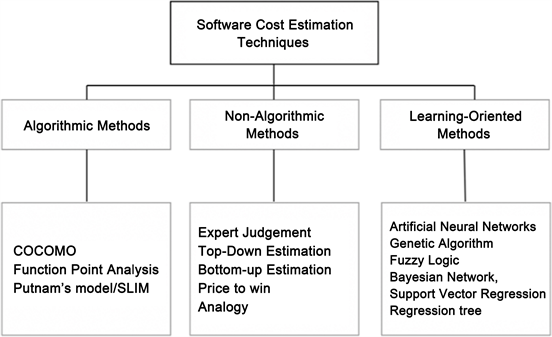
There are four main approaches to estimating project costs, each with different trade-offs between speed and accuracy. Choosing the right one depends on how much information you have and what stage the project is in.
-
Analogous estimating uses historical data from similar past projects to estimate costs for the current one. You adjust for differences in scope and complexity. For example, if your firm built a 50,000 sq ft office building last year, you'd use that cost data as a starting point for a new office complex of similar size, then adjust for any differences in location, materials, or design.
-
Parametric estimating relies on statistical relationships between historical data and measurable variables. Instead of comparing whole projects, you derive a cost-per-unit rate. For instance, if past hospital projects averaged per square foot, you'd multiply that rate by the new building's square footage to get a rough estimate.
-
Bottom-up estimating breaks the project into its smallest components and estimates each one individually, then adds them all together. This is the most detailed and accurate method, but also the most time-consuming. You'd estimate foundation, framing, electrical, plumbing, and finishing costs separately, then sum them up.
-
Three-point estimating accounts for uncertainty by calculating a weighted average from three scenarios: optimistic (O), most likely (M), and pessimistic (P). Formula:
For example, if you estimate concrete costs at (optimistic), (most likely), and (pessimistic), the weighted estimate would be:
Project Structure and Cost Aggregation
Before you can estimate costs, you need a clear picture of everything the project includes. That's where the Work Breakdown Structure (WBS) comes in. A WBS is a hierarchical decomposition of all project deliverables into manageable components. For a house construction project, the top level might include foundation, framing, roofing, and finishing, with each of those broken into more specific tasks.
Cost aggregation is the process of rolling up cost estimates from the lowest WBS levels to create the overall project budget. You estimate each small component, then sum them up through each level of the hierarchy. For example, you'd add up costs for all subcontractors, materials, and equipment within each WBS category to arrive at the total construction cost.
Construction Cost Factors
Material and Labor Costs
Three major cost categories drive most construction budgets:
- Material costs fluctuate based on market conditions, supply chain disruptions, and quantity discounts. Steel prices, for instance, can swing significantly due to global demand and trade tariffs. Buying in bulk often reduces per-unit costs, so estimators need to account for procurement strategy.
- Labor costs vary by skill level, experience, union agreements, and regional wage rates. Specialized trades like electricians and pipefitters command higher wages than general laborers. In unionized markets, labor agreements may also dictate overtime rules and benefits.
- Equipment costs include purchase or rental fees, maintenance, fuel, and operator wages. A crane rental, for example, isn't just the daily rate; you also pay for the operator's salary, fuel, mobilization to the site, and demobilization afterward.

Project-Specific Factors
- Location affects costs through site accessibility, local building codes, and regional price differences. A remote mountain site will cost more than a suburban lot because of transportation, worker lodging, and limited local suppliers.
- Complexity and design features can significantly increase costs. Custom-designed facades or unusual structural geometries require specialized labor and materials that standard buildings don't.
- Time constraints often increase costs directly. If a client demands an accelerated schedule, you may need to pay for night shifts, weekend work, and expedited material deliveries.
Economic Considerations
On multi-year projects, economic conditions can shift costs substantially. Inflation raises material and labor prices over time, so estimators typically apply an annual cost escalation rate to future-year expenses. A three-year bridge project, for example, might factor in 3-4% annual escalation to avoid being caught short in later phases. Market volatility in commodities like lumber or copper can also cause unexpected price swings.
Project Change Impact on Costs
Change Management Processes
Changes are nearly inevitable on construction projects. How you manage them determines whether they cause minor adjustments or major budget problems.
- Change orders are formal documents that modify the original contract's scope, schedule, or cost. Both the client and contractor must agree to the change. Adding a floor to a building after construction has started is a dramatic example, but even smaller changes (like relocating an electrical panel) require documentation.
- Changes rarely affect just one thing. A ripple effect occurs when one modification triggers cascading impacts. Changing window specifications, for example, can affect wall framing dimensions, HVAC load calculations, and even the building's structural design.
- Change control procedures provide a systematic way to evaluate, approve, and document modifications. A typical process involves:
- Submit a change request form describing the proposed change
- Estimate the cost and schedule impact
- Review and approve (or reject) through the project's decision-makers
- Update the project budget and schedule accordingly
Cost Analysis and Risk Management
- Value engineering is a systematic process for finding cost-effective alternatives that maintain project quality. For example, substituting a less expensive flooring material that has similar durability and appearance can save money without compromising the design intent.
- Contingency reserves are funds set aside to cover unforeseen events or known risks. These are typically calculated as a percentage of the total budget, often 5-10% depending on project risk. Unexpected soil conditions or weather delays are common reasons contingency funds get used.
- Cost-benefit analysis compares the financial impact of a proposed change against its potential benefits. Upgrading to a more efficient HVAC system costs more upfront, but if the long-term energy savings outweigh that cost, the change is justified.
Performance Measurement Techniques
Earned Value Management (EVM) is a method for objectively measuring project performance by integrating scope, schedule, and cost data. It answers two critical questions: Are we on budget? and Are we on schedule?
Two key EVM metrics:
- Cost Performance Index (CPI) =
- Schedule Performance Index (SPI) =
A CPI of 1.0 means you're exactly on budget. A CPI of 0.9 means you're getting only 90 cents of work for every dollar spent, so you're overspending by about 10%. The same logic applies to SPI for schedule performance. These metrics help project managers detect problems early and forecast final costs based on current trends.
Cost Control Effectiveness
Cost Tracking and Analysis
Once a project is underway, you need tools to track whether spending matches the plan.
- The cost baseline is the approved, time-phased budget that serves as your reference point. It's often visualized as an S-curve, which plots planned cumulative costs over time. Comparing the actual cost curve against the baseline quickly reveals whether you're ahead or behind.
- Cost variance analysis compares actual costs to budgeted costs at regular intervals. The goal is early detection of overruns. If material costs are running 15% above estimates due to market fluctuations, you want to catch that in month two, not month eight.
- Regular cost reporting (typically monthly) gives stakeholders visibility into the project's financial health. These reports highlight areas of concern, flag potential overruns, and identify opportunities for savings.
Performance Measurement and Forecasting
The CPI and SPI metrics described in the EVM section above are the primary Key Performance Indicators (KPIs) for cost control. Project managers use these to forecast the Estimate at Completion (EAC), which predicts the final total project cost based on current performance. If your CPI is consistently below 1.0, the EAC will be higher than the original budget, giving you time to take corrective action.
Long-term Cost Considerations
- Life cycle costing looks beyond initial construction to include operational costs, maintenance, and eventual decommissioning. A more expensive but energy-efficient HVAC system might cost more to install but save per year in energy costs, paying for itself in under five years. This perspective helps owners make decisions that optimize long-term value, not just upfront price.
- Cost control software enhances accuracy and efficiency by providing real-time expense tracking, automated reporting, and forecasting tools. Project management platforms can flag budget variances automatically, so the team can respond before small problems become large ones.
See Fiveable more often in Google
Mark Fiveable as a preferred source and Google is more likely to show you our guides in Top Stories, with a "preferred" badge in AI Mode and AI Overviews.