12.4 Climate Change Adaptation

👷🏻♀️Intro to Civil Engineering Unit 12 Review
12.4 Climate Change Adaptation
👷🏻♀️ Intro to Civil Engineering
Climate change is reshaping the conditions that civil infrastructure must endure. Rising seas, stronger storms, and shifting temperature patterns all challenge the assumptions engineers have traditionally used to design roads, buildings, and water systems. Adaptation means adjusting how we plan, design, and maintain infrastructure so it can handle these new realities.
Climate Change Impacts on Infrastructure

Top images from around the web for Extreme Weather Events and Sea Level Rise
Sea level rise - Wikipedia View original
Is this image relevant?
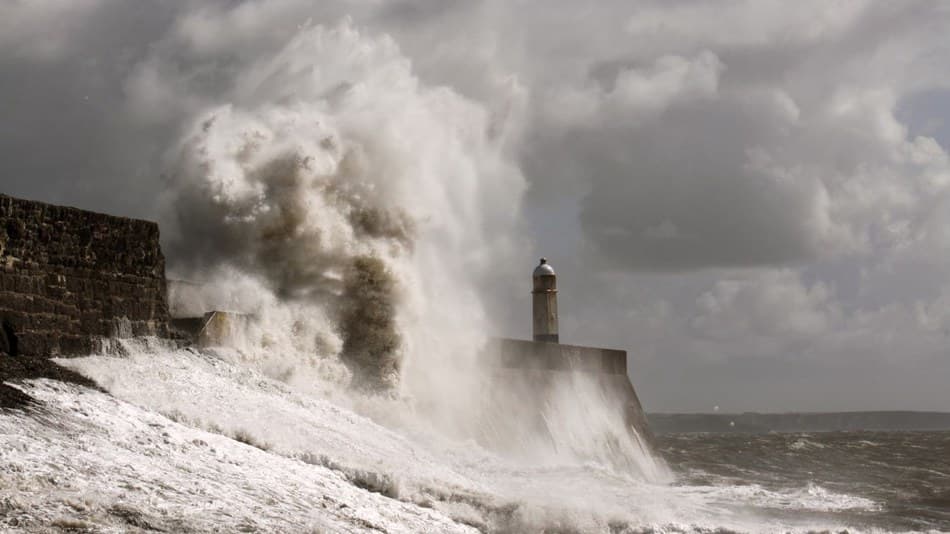
Extreme weather driving countries to adapt to climate change — European Environment Agency View original
Is this image relevant?
Vulnerability of wastewater infrastructure of coastal cities to sea level rise: a South African ... View original
Is this image relevant?
Sea level rise - Wikipedia View original
Is this image relevant?
Extreme weather driving countries to adapt to climate change — European Environment Agency View original
Is this image relevant?
Extreme Weather Events and Sea Level Rise
Hurricanes, floods, and heatwaves are becoming more frequent and more intense, which translates directly into more damage to infrastructure. At the same time, rising sea levels threaten coastal assets like ports, bridges, and buildings through increased erosion and saltwater inundation.
These changes also affect what's happening underground:
- Shifts in climate zones force updates to building codes and design requirements that were based on older, now-outdated climate data.
- Altered precipitation patterns change groundwater levels and soil moisture, which affects the stability of foundations and earthworks.
- Prolonged droughts cause soil shrinkage, which can lead to foundation settlement.
- Heavy rainfall saturates soil, increasing the risk of landslides.
Material Performance and Energy Demands
Construction materials behave differently under changing temperature and moisture conditions. Two common examples:
- Concrete deteriorates faster when freeze-thaw cycles increase, because water trapped in pores expands and cracks the material.
- Asphalt softens at higher temperatures, leading to rutting under traffic loads.
Higher average temperatures also drive up energy demands. Buildings need more air conditioning, and temperature-sensitive facilities like data centers require additional cooling capacity.
Systemic Vulnerabilities
Infrastructure systems are interconnected, so a failure in one system can cascade into others. A power outage during an extreme heat event, for instance, can shut down water treatment plants. Flooding of transportation networks can disrupt supply chains and block emergency response routes.
There's also a planning problem: the historical data engineers have relied on is becoming less reliable.
- Rainfall records used to size stormwater systems may underestimate future storms.
- Changing wind patterns can affect the structural design of tall buildings and bridges.
Adaptation Strategies for Civil Engineering
Transportation Sector Adaptations
Roads and highways are especially exposed to heat and flooding. Key strategies include:
- Heat-resistant pavements that use light-colored or reflective materials to withstand higher temperatures and reduce the urban heat island effect. Permeable pavements also help by letting stormwater filter through rather than pooling on the surface.
- Elevating coastal roads above projected sea level rise and storm surge heights.
- Improved drainage systems such as upsized culverts, larger storm sewers, and green infrastructure like bioswales along roadways that slow and filter runoff.

Water Resources and Coastal Management
Water systems face pressure from both too little water (drought) and too much (flooding). Adaptation works on both fronts:
- Drought-resistant supply: Water recycling and reuse technologies reduce dependence on freshwater sources. Coastal communities can also invest in desalination plants.
- Enhanced stormwater management: Detention basins and constructed wetlands store excess runoff. Real-time control systems can dynamically route water through stormwater networks during storms.
- Coastal protection ranges from traditional hard infrastructure (sea walls, levees) to nature-based solutions. Living shorelines, such as oyster reefs that attenuate wave energy or restored mangrove forests, provide protection while supporting ecosystems. Beach nourishment programs add sand to eroding coastlines.
Energy and Building Sector Strategies
A resilient energy grid needs diversity and flexibility:
- Diversified energy sources like solar and wind reduce reliance on any single fuel. Microgrids can keep critical facilities running even if the main grid goes down.
- Smart grid technologies help manage demand fluctuations, especially during heat waves when cooling loads spike.
For buildings, adaptation focuses on reducing energy demand and handling temperature extremes:
- Enhanced thermal insulation keeps interiors stable with less energy.
- Green roofs regulate building temperature and absorb stormwater.
- Climate-responsive design orients buildings to maximize natural ventilation and incorporates shading devices to reduce solar heat gain.
Urban Planning and Waste Management Adaptations
At the city scale, adaptation strategies include:
- Green spaces such as urban forests, parks, and green corridors along transportation routes to reduce the urban heat island effect.
- Flood-resistant urban design that works with water rather than just against it. Floodable parks and "water squares" are public spaces designed to temporarily store water during heavy rain events.
- Permeable pavement in parking lots and sidewalks to reduce stormwater runoff.
- Climate-proofed waste facilities designed to withstand extreme weather, paired with circular economy principles (material recovery, industrial symbiosis) that reduce the volume of waste generated in the first place.
Infrastructure Vulnerability to Climate Change
Vulnerability Assessment Methods
Before you can adapt infrastructure, you need to understand where it's most vulnerable. Engineers use several approaches:
- Comprehensive vulnerability assessments that examine both direct impacts (a flood hitting a bridge) and indirect impacts (a flooded road preventing maintenance crews from reaching a power plant).
- Climate modeling and scenario analysis to project future conditions. Downscaled climate models estimate local temperature and precipitation changes, while Monte Carlo simulations help account for the uncertainty in those projections.
- Interdependency analysis that maps how different infrastructure systems rely on each other. For example, if a power grid failure shuts down a water treatment plant, that's an interdependency worth identifying before it becomes a crisis.

Economic and Social Impact Analysis
Adaptation decisions require understanding the full cost of inaction:
- Economic impacts include increased maintenance costs from accelerated material degradation and potential losses from business interruptions during extreme events.
- Social and environmental consequences range from public health impacts (water supply disruptions) to ecosystem service losses (damage to coastal habitats).
- Critical thresholds are the points beyond which existing systems simply can't cope. At what sea level does a coastal defense get overwhelmed? At what temperature does the power grid run out of capacity? Identifying these thresholds helps engineers prioritize upgrades.
Risk Assessment and Prioritization
With limited budgets, engineers need frameworks to decide where to invest first:
- Risk matrices and heat maps visualize vulnerability across sectors and locations, making it easier to spot the highest-priority areas.
- Multi-criteria decision analysis weighs factors like cost, risk reduction, and social benefit to rank adaptation projects.
- Long-term projection analysis evaluates whether existing structures need retrofitting or whether critical infrastructure should be relocated away from high-risk areas entirely.
Resilient Design for Climate Adaptation
Adaptive and Flexible Design Approaches
Because climate projections carry uncertainty, the best designs build in flexibility:
- Adaptive design allows for future modifications. A flood wall might be designed so it can be raised later, or infrastructure components might be modular for easy upgrades.
- Redundancy and diversity increase a system's ability to absorb disruptions. A city with multiple water supply sources is more resilient than one depending on a single reservoir. Redundant power transmission routes keep electricity flowing if one line goes down.
- Multi-functional infrastructure serves more than one purpose. A park that doubles as a flood retention area during extreme rainfall is a classic example. Buildings with integrated renewable energy generation serve both shelter and power needs.
Nature-Based Solutions and Advanced Materials
Nature-based solutions work alongside traditional engineering:
- Constructed wetlands treat wastewater while also mitigating floods.
- Urban forests regulate temperature and improve air quality.
On the materials side, new technologies are expanding what's possible:
- Self-healing concrete contains bacteria or capsules that fill cracks automatically, extending the material's lifespan under harsh conditions.
- Shape memory alloys in bridge designs can return to their original shape after deformation, improving seismic resilience.
Smart Infrastructure and Design Standards
Sensors and data analytics allow infrastructure to respond to climate stresses in real time:
- IoT sensor networks can provide early flood warnings.
- Predictive maintenance algorithms use data to schedule repairs before failures occur, optimizing performance and reducing costs.
Design standards themselves are also evolving. Traditional engineering assumed a stationary climate, meaning past weather data was a reliable guide to the future. That assumption no longer holds. Updated building codes now account for projected changes in wind loads, and stormwater management standards are being revised to reflect future precipitation patterns rather than just historical averages.
See Fiveable more often in Google
Mark Fiveable as a preferred source and Google is more likely to show you our guides in Top Stories, with a "preferred" badge in AI Mode and AI Overviews.