7.6 E-commerce and omnichannel distribution

📣Honors Marketing Unit 7 Review
7.6 E-commerce and omnichannel distribution
📣 Honors Marketing
Overview of E-Commerce
E-commerce refers to buying and selling goods or services over the internet. It has fundamentally reshaped distribution by removing geographic barriers, cutting operational costs, and giving businesses access to consumer data that fuels smarter marketing decisions. For an honors marketing course, understanding e-commerce means understanding how distribution channels have shifted from purely physical to digital and hybrid models.

Top images from around the web for Definition and importance
The Ease of Online Shopping – Digital Media, Society, and Culture View original
Is this image relevant?
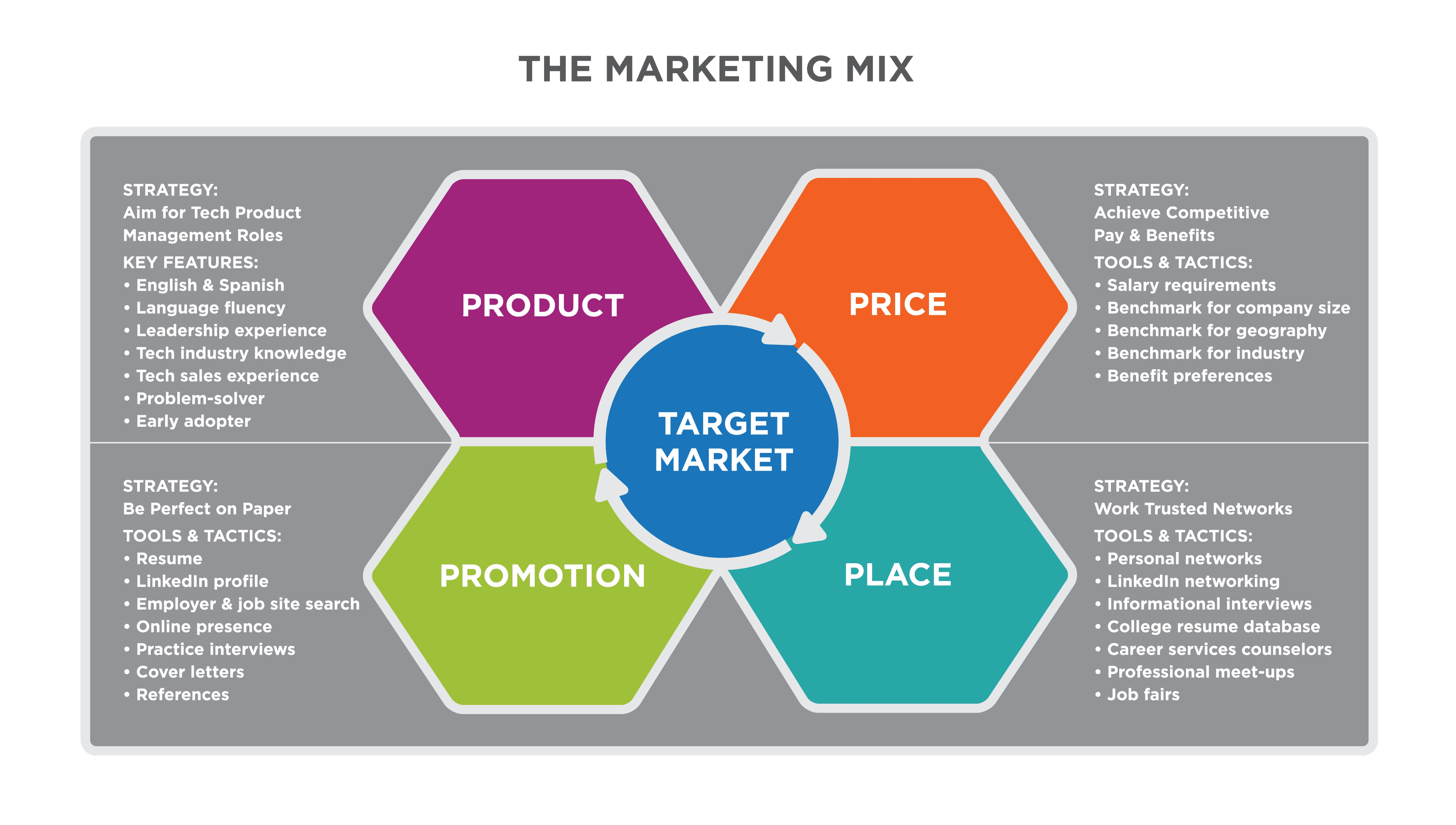
Putting It Together: Marketing Function | Principles of Marketing View original
Is this image relevant?
Marketing Defined | Principles of Marketing View original
Is this image relevant?
The Ease of Online Shopping – Digital Media, Society, and Culture View original
Is this image relevant?
Putting It Together: Marketing Function | Principles of Marketing View original
Is this image relevant?
Definition and Importance
At its core, e-commerce replaces (or supplements) the traditional storefront with a digital one. This matters for several reasons:
- Expanded market reach: A small business in Ohio can sell to customers in Tokyo without a physical presence there.
- 24/7 accessibility: Unlike brick-and-mortar stores, online shops never close.
- Lower operational costs: No lease, fewer staff, and automated processes reduce overhead significantly.
- Data-driven marketing: Every click, search, and purchase generates data that businesses use to personalize offers and predict demand.
Types of E-Commerce Models
These models are defined by who is selling to whom:
- Business-to-Consumer (B2C): A company sells directly to individual customers. Amazon and Nike.com are classic examples. This is the model most people picture when they hear "e-commerce."
- Business-to-Business (B2B): Companies sell to other companies. Alibaba connects manufacturers with retailers, and this segment actually accounts for a larger share of total e-commerce revenue than B2C.
- Consumer-to-Consumer (C2C): Individuals sell to other individuals through a platform. eBay, Poshmark, and Facebook Marketplace all facilitate C2C transactions.
- Consumer-to-Business (C2B): Individuals offer products or services to companies. Freelance platforms like Upwork and stock photography sites like Shutterstock follow this model.
- Government-to-Business (G2B): Government agencies provide services, licenses, or procurement opportunities to businesses through digital portals.
Key E-Commerce Platforms
The platform a business chooses shapes its distribution capabilities:
- Hosted solutions (Shopify, BigCommerce) provide turnkey websites where the platform handles hosting, security, and updates. Great for businesses that want to launch quickly without heavy technical investment.
- Open-source platforms (WooCommerce, Magento) offer full customization but require developer expertise to build and maintain.
- Marketplace platforms (Amazon, Etsy) let multiple sellers list on a single high-traffic site. The trade-off is less brand control and marketplace fees.
- Social commerce (Facebook Shops, Instagram Shopping, TikTok Shop) integrates purchasing directly into social media feeds, shortening the path from discovery to purchase.
Omnichannel Distribution Strategy
Omnichannel distribution integrates every channel a brand uses into one unified experience. The goal is that a customer can browse on their phone, ask a question via live chat, and pick up the product in-store without any friction or inconsistency. This differs from multichannel distribution, where channels exist but operate independently of each other.
Concept and Benefits
The omnichannel approach treats all channels as parts of one system rather than separate silos. The benefits are significant:
- Higher customer satisfaction: Shoppers interact with the brand however they prefer, whether that's in-store, online, or through an app.
- Better data collection: Unified systems track customer behavior across channels, enabling more targeted marketing.
- Increased sales: Harvard Business Review research found that omnichannel customers spend an average of 4% more in-store and 10% more online than single-channel customers.
- Reduced friction: Fewer barriers between browsing and buying means fewer lost sales.
Offline vs. Online Channels
- Offline channels include physical retail stores, pop-up shops, catalog orders, and in-person events.
- Online channels encompass websites, mobile apps, social media platforms, and email.
- The brick-and-click model combines both. A retailer like Target operates physical stores alongside a robust e-commerce site, and the two systems share inventory data.
- Click-and-collect (also called BOPIS: Buy Online, Pick Up In-Store) bridges the gap directly. The customer orders online and picks up at a nearby location, saving shipping costs and wait time.
Integration of Touchpoints
True omnichannel requires backend systems that talk to each other:
- Unified inventory management ensures that if a product shows "in stock" online, it's actually available. This prevents overselling and customer frustration.
- Consistent pricing and promotions across channels maintain brand integrity. A customer shouldn't see a different price in-store than online.
- Shared customer data means a service rep can see a customer's online order history when that customer walks into a store.
- Cross-channel transactions let customers start on one channel and finish on another, such as adding items to a cart on mobile and completing checkout on desktop.
E-Commerce Marketing Techniques
Driving traffic to an online store and converting visitors into buyers requires a distinct set of digital marketing strategies. Each technique below serves a different purpose in the marketing funnel.
Search Engine Optimization
SEO is the process of optimizing website content so it ranks higher in search engine results pages (SERPs). Higher rankings mean more organic (unpaid) traffic.
- On-page optimization includes strategic keyword placement in titles, headings, and product descriptions, plus well-written meta tags that encourage clicks from search results.
- Off-page optimization focuses on building high-quality backlinks from reputable sites, which signals to search engines that your content is trustworthy.
- Local SEO targets geographic-specific searches. A bakery in Portland would optimize for "best bakery in Portland" to capture nearby customers.
Pay-Per-Click Advertising
With PPC, advertisers pay a fee each time someone clicks their ad. It's a way to buy visits rather than earn them organically.
- Search ads (Google Ads, Bing Ads) appear at the top of search results for specific keywords. The advertiser bids on keywords relevant to their products.
- Display ads are banner ads shown on websites within an ad network, useful for building brand awareness.
- Retargeting ads specifically target users who previously visited your site but didn't convert. If you've ever browsed a product and then seen ads for it everywhere, that's retargeting.
Social Media Marketing
Social platforms serve dual roles: building brand awareness and driving direct sales.
- Organic strategies involve creating and sharing valuable content (posts, stories, videos) to build community and engagement without paying for reach.
- Paid social advertising allows highly targeted campaigns based on user demographics, interests, and behaviors. Facebook's ad platform, for example, lets you target by age, location, income level, and even recent purchase behavior.
- Influencer partnerships extend a brand's reach by leveraging someone else's established audience and credibility within a specific niche.
Email Marketing Campaigns
Email remains one of the highest-ROI marketing channels, averaging around returned for every spent.
- Segmentation divides your email list into groups based on behavior, preferences, or demographics so each group receives relevant content.
- Automation triggers emails based on specific actions. A welcome series after signup, an abandoned cart reminder, or a post-purchase follow-up can all run automatically.
- A/B testing compares two versions of an email (different subject lines, layouts, or send times) to determine which performs better.
Customer Experience in E-Commerce
Customer experience (CX) encompasses every interaction a shopper has with your brand, from the first site visit through post-purchase support. Poor CX drives customers to competitors; strong CX builds loyalty and repeat purchases.
User Interface Design
Your website's design directly affects whether visitors buy or bounce.
- Intuitive navigation means users can find products within a few clicks. If they can't find it, they can't buy it.
- Clear calls-to-action (CTAs) like "Add to Cart" or "Buy Now" should be visually prominent and guide users through the purchase process.
- Responsive design ensures the site adapts to different screen sizes, from desktop monitors to smartphones.
- Visual hierarchy uses size, color, and placement to draw attention to the most important elements first.

Mobile Optimization
Mobile commerce (m-commerce) now accounts for roughly 60% of global e-commerce sales, making mobile optimization non-negotiable.
- Responsive or adaptive design ensures a seamless experience regardless of device.
- Mobile-specific features include touch-friendly buttons, simplified checkout forms, and mobile wallet integration (Apple Pay, Google Pay).
- Accelerated Mobile Pages (AMP) are stripped-down page versions that load almost instantly on mobile devices.
- Progressive Web Apps (PWAs) deliver app-like experiences (offline access, push notifications) through a browser, without requiring users to download anything.
Personalization Strategies
Personalization uses customer data to tailor the shopping experience to each individual:
- Product recommendations based on browsing and purchase history. Amazon attributes roughly 35% of its revenue to its recommendation engine.
- Dynamic content adapts what a user sees on a page based on their profile, location, or past behavior.
- Personalized emails with tailored offers and product suggestions based on what a customer has previously bought or browsed.
- Customized landing pages for different customer segments or traffic sources. A visitor arriving from a Google ad sees a different page than one arriving from Instagram.
Customer Service Tools
- Live chat provides real-time assistance and can significantly reduce cart abandonment when a customer has a question during checkout.
- Chatbots handle routine queries (order status, return policies) and escalate complex issues to human agents.
- Self-service options like FAQs and knowledge bases let customers solve problems independently, which many prefer.
- Social media monitoring tools allow brands to catch and respond to customer questions or complaints on platforms like Twitter and Instagram quickly.
E-Commerce Analytics and Metrics
Data is what separates guesswork from strategy. E-commerce analytics help businesses measure performance, identify bottlenecks, and optimize for better results.
Key Performance Indicators
These are the metrics you need to know:
- Conversion rate: The percentage of site visitors who complete a purchase. Average e-commerce conversion rates hover around 2-3%, so even small improvements have a big revenue impact.
- Average order value (AOV): The typical amount spent per transaction. Businesses increase AOV through upselling, cross-selling, and minimum-spend free shipping thresholds.
- Cart abandonment rate: The percentage of users who add items to their cart but leave without buying. The global average is roughly 70%, making this a major area for optimization.
- Customer acquisition cost (CAC): The total marketing and sales expense divided by the number of new customers acquired. If your CAC exceeds what a customer spends, you're losing money.
Conversion Rate Optimization
CRO is the systematic process of increasing the percentage of visitors who take a desired action.
- Identify the problem: Use funnel analysis to find where users drop off in the purchase process.
- Form a hypothesis: Based on data, hypothesize what change might improve conversions (e.g., "Simplifying the checkout form will reduce abandonment").
- Test the change: Run an A/B test comparing the original version against the modified version.
- Analyze results: Determine which version performed better with statistical significance.
- Implement and repeat: Apply the winning version and move on to the next optimization opportunity.
Additional CRO tools include heatmaps (which show where users click and scroll) and session recordings (which replay individual user visits to reveal usability issues).
Customer Lifetime Value
CLV predicts the total revenue a business can expect from a single customer over the entire relationship.
Simplified CLV formula:
CLV matters because it tells you how much you can afford to spend acquiring a customer. If a customer's CLV is , spending on acquisition is a strong investment. CLV also helps identify your highest-value customer segments so you can focus retention efforts where they'll have the greatest impact.
Data-Driven Decision Making
- Web analytics tools like Google Analytics track website traffic, user behavior, traffic sources, and conversion paths.
- Built-in platform reporting from Shopify, WooCommerce, and similar platforms provides sales, inventory, and customer data dashboards.
- Business intelligence tools (Tableau, Power BI) integrate data from multiple sources for comprehensive analysis.
- Machine learning algorithms can predict demand trends, identify at-risk customers, and automate pricing decisions based on real-time data.
Security and Trust in E-Commerce
Customers won't enter their credit card information on a site they don't trust. Security measures protect sensitive data, and visible trust signals reassure customers that their information is safe.
Payment Gateway Systems
A payment gateway is the technology that processes online payments, acting as the intermediary between the customer, the merchant, and the bank.
- Encryption scrambles data during transmission so it can't be read if intercepted.
- Tokenization replaces sensitive card data with a unique identifier (token), so the actual card number is never stored on the merchant's servers.
- Multi-factor authentication (MFA) requires users to verify their identity through two or more methods (password plus a text code, for example) before completing a transaction.
Data Protection Measures
- SSL certificates (indicated by "https" and a padlock icon in the browser) encrypt all data transferred between the user and the website.
- Firewalls block unauthorized access attempts and filter malicious traffic.
- Regular security audits proactively identify vulnerabilities before they can be exploited.
- Data backup and recovery plans ensure the business can restore operations quickly after a breach or system failure.
Trust Signals and Certifications
- Security badges (Norton Secured, McAfee Secure) displayed on checkout pages signal that the site meets industry security standards.
- SSL indicators in the browser address bar provide a visual cue that the connection is secure.
- Customer reviews and ratings serve as social proof, building credibility through the experiences of other buyers.
- Clear privacy policies and terms of service demonstrate transparency about how customer data is collected, used, and protected.
Logistics and Fulfillment
The best marketing in the world doesn't matter if the product arrives late, damaged, or not at all. Logistics and fulfillment are the operational backbone of e-commerce distribution.
Inventory Management Systems
- Real-time stock tracking across multiple channels and warehouses prevents overselling and stockouts.
- Automated reordering triggers purchase orders when inventory drops below predefined thresholds, often informed by demand forecasting algorithms.
- Platform integration syncs inventory data with the e-commerce storefront so product availability is always accurate.
- Batch and expiration tracking is critical for perishable goods, pharmaceuticals, and any time-sensitive inventory.

Shipping and Delivery Options
- Multiple carrier integrations (UPS, FedEx, USPS, DHL) give customers choice and let the business optimize for cost or speed.
- Real-time rate calculations factor in package dimensions, weight, and destination to display accurate shipping costs at checkout.
- Order tracking keeps customers informed with status updates from shipment to delivery, reducing "where's my order?" inquiries.
- Expedited delivery options like same-day and next-day shipping have become a competitive expectation, largely driven by Amazon Prime's influence on consumer expectations.
Returns and Reverse Logistics
Returns are inevitable in e-commerce (online apparel return rates can exceed 30%), so handling them well is a competitive advantage.
- Clear return policies displayed prominently on the site build purchase confidence. Customers are more likely to buy when they know returning is easy.
- Automated RMA (Return Merchandise Authorization) systems streamline the process by generating return labels and tracking returned items.
- Restocking and refurbishment procedures determine whether returned items can be resold, need repair, or must be written off.
- Return data analysis identifies patterns (sizing issues, misleading product photos) that can be fixed to reduce future return rates.
Emerging Trends in E-Commerce
These technologies and models are actively reshaping online retail. Understanding them gives you a forward-looking perspective on where distribution is headed.
Artificial Intelligence Applications
- Chatbots and virtual assistants provide 24/7 customer support, handling routine inquiries without human intervention.
- Predictive analytics use historical data to forecast demand, helping businesses optimize inventory levels and avoid stockouts or overstock.
- Visual search lets customers upload a photo to find similar products. Google Lens and Pinterest Lens are examples of this technology in action.
- AI-powered recommendations analyze browsing patterns and purchase history to suggest products, driving higher conversion rates and AOV.
Voice Commerce
Voice-activated shopping through devices like Amazon Echo and Google Home is a growing channel, though still a small share of total e-commerce.
- Natural language processing (NLP) improves the accuracy of voice commands, making the experience less frustrating for users.
- Voice commerce integrates with existing e-commerce platforms, allowing reorders and simple purchases through spoken commands.
- Brands are beginning to optimize product listings and content for voice search, which tends to use longer, more conversational queries than typed search.
Augmented Reality Shopping
- Virtual try-on lets customers see how clothing, makeup, or glasses look on them before purchasing. Warby Parker and Sephora both use this effectively.
- 3D product visualization allows customers to place furniture or decor in their actual room using their phone camera. IKEA Place is a well-known example.
- AR-powered in-store navigation helps shoppers locate products within large retail spaces.
- Interactive product demos on product pages give customers a richer understanding of what they're buying, reducing uncertainty and returns.
Subscription-Based Models
- Recurring revenue provides predictable income streams, which is valuable for business planning and valuation.
- Curated subscription boxes (Birchbox, HelloFresh) combine product discovery with convenience, delivering new items on a regular schedule.
- Tiered pricing offers different levels of service or product quantity, letting customers choose what fits their budget.
- Subscription models increase CLV by building habitual purchasing behavior and reducing the need to re-acquire the same customer.
Legal and Ethical Considerations
E-commerce operates within a complex legal framework that varies by jurisdiction. Compliance protects both the business and the consumer.
Consumer Protection Laws
- Disclosure requirements mandate clear presentation of terms, conditions, pricing, and total costs (including shipping and taxes) before purchase.
- Truth in advertising regulations prohibit misleading claims about products or services.
- Cooling-off periods in many jurisdictions give consumers the right to cancel an online purchase within a set timeframe (14 days in the EU under the Consumer Rights Directive).
- Data privacy laws like the GDPR (European Union) and CCPA (California) regulate how businesses collect, store, and use consumer data, with significant penalties for non-compliance.
Cross-Border E-Commerce Regulations
Selling internationally introduces additional complexity:
- Trade laws and tariffs vary by country and product category. Customs duties can significantly affect pricing and competitiveness.
- Tax regulations differ across jurisdictions. VAT in Europe, GST in Australia, and varying state sales tax rules in the U.S. all require compliance.
- Language and cultural adaptation goes beyond translation. Marketing messages, imagery, and even color choices may need to be adjusted for different markets.
- Product safety standards and labeling requirements differ internationally. A product legal to sell in the U.S. may require different labeling or certification in the EU.
Ethical Data Usage
- Transparent policies clearly explain what data is collected and how it's used.
- Explicit consent must be obtained before collecting and processing personal data, particularly under GDPR.
- Data minimization means collecting only the information actually needed for the stated purpose, not hoarding data "just in case."
- User control gives customers the ability to access, correct, and delete their personal data on request.
Future of E-Commerce
E-commerce continues to evolve rapidly. These areas represent where the industry is heading and what marketers need to prepare for.
Technological Advancements
- 5G networks enable faster page loads and smoother mobile shopping experiences, particularly for data-heavy features like AR and video.
- Blockchain technology can enhance supply chain transparency by creating an immutable record of a product's journey from manufacturer to consumer.
- Internet of Things (IoT) devices create new purchasing touchpoints. Smart refrigerators that reorder groceries and connected printers that auto-order ink are early examples.
- Edge computing processes data closer to the user's device, reducing latency and enabling real-time personalization at scale.
Changing Consumer Behaviors
- Digital and contactless payments continue to grow, accelerated by the COVID-19 pandemic's lasting impact on payment preferences.
- Experiential retail blends entertainment with shopping, both online (live shopping events) and in-store (interactive displays).
- Social commerce is expanding rapidly, with platforms like TikTok Shop turning content consumption directly into purchasing behavior.
- Conscious consumerism is driving demand for brands that demonstrate ethical sourcing, fair labor practices, and environmental responsibility.
Sustainability in E-Commerce
- Eco-friendly packaging reduces waste through recyclable materials, right-sized boxes, and elimination of unnecessary filler.
- Circular economy initiatives promote product recycling, refurbishment, and resale. Patagonia's Worn Wear program is a notable example.
- Supply chain transparency lets consumers verify sustainability claims through detailed sourcing information.
- Carbon offset programs and renewable energy usage in warehouses and data centers help businesses reduce their environmental footprint.
See Fiveable more often in Google
Mark Fiveable as a preferred source and Google is more likely to show you our guides in Top Stories, with a "preferred" badge in AI Mode and AI Overviews.