11.6 Privacy and data protection

📣Honors Marketing Unit 11 Review
11.6 Privacy and data protection
📣 Honors Marketing
Importance of Privacy
Privacy and data protection sit at the center of modern marketing. As companies collect more consumer data than ever before, the way they handle that data directly shapes consumer trust, legal exposure, and brand reputation. For an honors-level marketing course, you need to understand not just what the rules are, but why they exist and how they create both constraints and opportunities for marketers.

Top images from around the web for Consumer trust and loyalty
OneTrust Certified Privacy Management Professional (OTCP/P) – Virgilio Lobato Cervantes, ECPC-B ... View original
Is this image relevant?
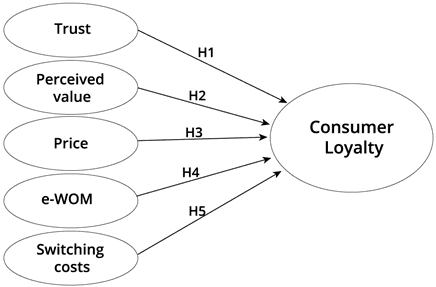
Keep Them In: How to Drive Dental Consumers’ Loyalty in the Modern Era? - Expert Journal of ... View original
Is this image relevant?
Supply Chain Differentiation: Background, Concept and Examples View original
Is this image relevant?
OneTrust Certified Privacy Management Professional (OTCP/P) – Virgilio Lobato Cervantes, ECPC-B ... View original
Is this image relevant?
Keep Them In: How to Drive Dental Consumers’ Loyalty in the Modern Era? - Expert Journal of ... View original
Is this image relevant?
Consumer Trust and Loyalty
Strong privacy practices are one of the most direct ways to build consumer trust. When customers believe a company handles their data responsibly, they're more likely to share information, make repeat purchases, and recommend the brand to others.
- Transparent data handling policies encourage loyalty and positive word-of-mouth
- Privacy breaches can destroy customer confidence quickly. After the 2017 Equifax breach (affecting ~147 million people), the company's stock dropped 30% and consumer trust cratered
- In competitive markets, robust privacy practices can genuinely differentiate a brand
Legal and Ethical Considerations
Privacy compliance isn't optional. Violating data protection laws can result in massive fines, lawsuits, and lasting reputational damage.
- Privacy regulations vary significantly by country and even by U.S. state, so marketers operating across regions need to adapt their strategies accordingly
- Ethical data handling also ties into broader corporate social responsibility (CSR) goals
- The legal and ethical dimensions overlap but aren't identical: something can be technically legal yet still feel like a violation of consumer trust
Brand Reputation Management
Privacy-focused brands often enjoy stronger public perception. Apple, for example, has made privacy a core part of its brand identity, using it as a selling point against competitors.
- Proactive privacy measures help contain damage if a data incident does occur
- Regular privacy audits signal to customers (and regulators) that you take protection seriously
- A reputation for strong privacy practices is hard to build and easy to lose
Data Protection Regulations
Data protection regulations define the legal boundaries for how marketers can collect, store, and use consumer information. These laws vary by jurisdiction, but they share common themes: consent, transparency, and accountability.
GDPR Overview and Impact
The General Data Protection Regulation (GDPR) took effect in the EU in May 2018 and remains the most influential data privacy law globally.
- Applies to any organization processing EU residents' personal data, regardless of where the company is headquartered
- Core principles include data minimization (collect only what you need), purpose limitation (use data only for stated purposes), and explicit consent
- Requires companies to notify authorities of data breaches within 72 hours
- Grants individuals the right to be forgotten, meaning they can request deletion of their personal data
- Non-compliance penalties can reach up to €20 million or 4% of global annual turnover, whichever is higher
CCPA and State-Level Laws
The California Consumer Privacy Act (CCPA) went into effect on January 1, 2020, and was later strengthened by the California Privacy Rights Act (CPRA) in 2023.
- Gives California residents the right to know what personal information is collected, request its deletion, and opt out of its sale
- Unlike GDPR, CCPA uses an opt-out model for data sales rather than requiring opt-in consent for most processing
- Other states have followed California's lead. Virginia (VCDPA), Colorado (CPA), Connecticut, and several others have enacted their own privacy laws
- This patchwork of state laws creates real complexity for marketers operating across the U.S.
International Data Protection Standards
Privacy regulation is a global trend, not just a Western one.
- Brazil's LGPD (Lei Geral de Proteção de Dados) closely mirrors GDPR principles
- Canada's PIPEDA governs how private-sector organizations collect and use personal information in commercial activities
- Japan's APPI regulates cross-border data transfers and has been updated to align more closely with GDPR
- Marketers operating internationally must track and comply with an increasingly complex web of regulations
Types of Consumer Data
Different types of consumer data carry different levels of sensitivity and require different levels of protection. Knowing how to classify data is the first step toward handling it properly.
Personal Identifiable Information (PII)
PII is any information that can directly or indirectly identify a specific individual.
- Obvious examples: name, Social Security number, email address, passport number
- Less obvious examples: IP addresses, device IDs, and even cookie identifiers can qualify as PII under laws like GDPR
- PII requires the most stringent protection because mishandling it can lead to identity theft and serious privacy violations
- Marketers should collect PII only when there's a clear, justified purpose
Behavioral and Transactional Data
This category covers data about what consumers do rather than who they are.
- Includes browsing history, product views, purchase records, and click patterns
- Typically collected through cookies, loyalty programs, and e-commerce platforms
- Extremely valuable for personalization and customer experience optimization
- Even though it may not include names or emails, behavioral data can often be linked back to individuals, which raises privacy concerns
Sensitive Data Categories
Many privacy laws define sensitive data as a special category requiring extra protection.
- Includes information about race, ethnicity, political opinions, religious beliefs, health conditions, sexual orientation, and trade union membership
- Biometric data (fingerprints, facial recognition) and genetic information are increasingly classified as sensitive
- Under GDPR, processing sensitive data generally requires explicit consent and a compelling justification
- Marketers rarely have a legitimate reason to collect most types of sensitive data, so the safest approach is usually to avoid it entirely
Data Collection Methods
How data gets collected matters just as much as what data gets collected. Each method carries its own privacy implications.
First-Party vs. Third-Party Data
- First-party data is collected directly from consumers through your own channels (your website, your app, your in-store interactions). It's generally more accurate and carries fewer privacy concerns because the consumer interacted with you directly
- Third-party data comes from external sources like data brokers or social media platforms. It's been the backbone of digital advertising for years, but it faces growing regulatory scrutiny and declining reliability
- The industry is shifting heavily toward first-party data strategies, driven by both regulation and technical changes (like the deprecation of third-party cookies)
Cookies and Tracking Technologies
Cookies are small text files stored on a user's browser that track behavior and preferences.
- First-party cookies are set by the website you're visiting and generally handle things like keeping you logged in or remembering your cart
- Third-party cookies are set by external domains (often ad networks) and track users across multiple sites. These are the ones facing elimination
- Other tracking methods include pixel tags (tiny invisible images that track email opens and page visits), web beacons, and browser fingerprinting (identifying users based on their unique combination of device settings)
- Google Chrome has been moving toward phasing out third-party cookies, though the timeline has shifted multiple times. Regardless, the trend away from third-party tracking is clear

Mobile and IoT Data Collection
Smartphones and Internet of Things (IoT) devices generate enormous volumes of personal data.
- Location data from GPS and cell towers enables geotargeted marketing
- App permissions can grant access to contacts, camera, microphone, and other device features
- Wearable devices (fitness trackers, smartwatches) collect health and biometric data
- Voice assistants and smart home devices capture audio recordings and usage patterns, raising questions about always-on surveillance
Data Security Measures
Collecting data creates an obligation to protect it. Security breaches don't just harm consumers; they can devastate a company's finances and reputation.
Encryption and Anonymization Techniques
- Encryption converts data into an unreadable format that can only be decoded with the correct key. It protects data both in storage (at rest) and during transmission (in transit)
- End-to-end encryption ensures that only the sender and recipient can read a communication, not even the service provider
- Anonymization removes or obscures personally identifiable information so individuals can't be re-identified
- Tokenization replaces sensitive data elements with non-sensitive substitutes (tokens) that have no exploitable value on their own
- Hashing converts input data into a fixed-size string of characters. It's commonly used for password storage because the process is one-way: you can't reverse a hash to get the original password
Access Control and Authentication
- Role-based access control (RBAC) restricts data access based on an employee's job function. A marketing analyst doesn't need access to payment processing systems
- Multi-factor authentication (MFA) requires two or more verification methods (password + phone code, for example) before granting access
- The principle of least privilege means giving users only the minimum access they need to do their jobs
- Regular access audits catch situations where former employees or role-changers still have permissions they shouldn't
Data Breach Prevention Strategies
Preventing breaches requires a combination of technology, training, and planning.
- Conduct regular security assessments and penetration testing to find vulnerabilities before attackers do
- Train employees on cybersecurity best practices, since human error (phishing clicks, weak passwords) is the most common entry point for breaches
- Develop and rehearse an incident response plan so the team knows exactly what to do if a breach occurs
- Use network segmentation to contain damage if one part of the system is compromised
- Deploy continuous monitoring and threat intelligence tools to detect suspicious activity early
Consent and Transparency
Consent and transparency are the foundation of ethical data practices. Regulations like GDPR have made proper consent a legal requirement, but even beyond compliance, clear communication about data usage builds the kind of trust that drives long-term customer relationships.
Opt-In vs. Opt-Out Policies
These two models represent fundamentally different approaches to consent.
- Opt-in requires users to take an affirmative action (checking a box, clicking "I agree") before their data can be collected or used. GDPR requires opt-in consent for most data processing
- Opt-out allows data collection by default, giving users the ability to withdraw consent later. CCPA uses this model for the sale of personal data
- Opt-in is generally considered more privacy-friendly because it puts the consumer in control from the start
- Marketers often worry that opt-in reduces data collection volume, but the data you do collect tends to be higher quality because it comes from genuinely engaged users
Privacy Policies and Disclosures
A privacy policy is a legal document that explains how a company collects, uses, stores, and shares personal data.
- Must be easily accessible (typically linked in the website footer) and written in understandable language
- Should disclose the types of data collected, the purposes of collection, any third-party sharing, and how long data is retained
- Must inform users of their rights (access, deletion, portability) and how to exercise them
- Privacy policies are subject to regulatory review. A misleading or outdated policy can itself become a legal liability
User Control Over Personal Data
Modern privacy laws emphasize giving individuals control over their own data.
- Right of access: users can request a copy of all data a company holds about them
- Data portability: users can receive their data in a commonly used, machine-readable format and transfer it to another service
- Right to erasure (right to be forgotten): users can request that their data be deleted
- Preference centers and privacy dashboards let users manage their communication preferences and data sharing settings in one place
Privacy in Digital Marketing
Digital marketing depends on data, which puts it directly in tension with privacy concerns. The challenge is delivering relevant, personalized experiences without crossing the line into surveillance.
Targeted Advertising Concerns
- Behavioral targeting uses browsing history, purchase data, and other signals to serve personalized ads. It's effective, but the level of tracking required makes many consumers uncomfortable
- Retargeting (showing ads for products someone previously viewed) can feel helpful or intrusive depending on execution. Seeing the same ad for shoes you already bought is a common complaint
- The rise of ad blockers reflects growing consumer frustration with both privacy intrusions and poor ad experiences
- Contextual advertising, which targets ads based on the content of the page rather than user behavior, is gaining traction as a privacy-friendly alternative
Social Media Privacy Issues
Social platforms collect vast amounts of personal and behavioral data, creating unique privacy challenges.
- Privacy settings are often complex, buried in menus, and frequently changed by the platform
- Social login features (signing into third-party sites with your Facebook or Google account) can lead to unexpected data sharing between platforms
- Data sharing between platforms and third-party apps was at the center of the Cambridge Analytica scandal, where data from ~87 million Facebook users was harvested without proper consent
- User-generated content and viral sharing create situations where personal information spreads beyond what individuals intended
Email Marketing Compliance
Email marketing is one of the most regulated forms of digital marketing.
- The CAN-SPAM Act (U.S.) requires commercial emails to include a physical mailing address, a clear unsubscribe mechanism, and honest subject lines. It uses an opt-out model
- GDPR requires explicit opt-in consent before sending marketing emails to EU residents
- Double opt-in (user signs up, then confirms via a verification email) is considered best practice because it ensures genuine intent and produces cleaner email lists
- Unsubscribe options must be clearly visible and functional. Making it hard to unsubscribe is both illegal and counterproductive
Data Governance
Data governance refers to the policies, processes, and standards that ensure data is managed responsibly throughout its entire lifecycle. Good governance keeps you compliant and makes your data more useful.

Data Lifecycle Management
Data doesn't just sit in a database forever (or at least, it shouldn't).
- Creation/Collection: Data enters the system through forms, transactions, tracking, etc.
- Storage: Data is organized and secured in databases or cloud systems
- Usage: Data is accessed and analyzed for marketing decisions, personalization, and reporting
- Archiving: Older data that's no longer actively used but may be needed for compliance is moved to long-term storage
- Deletion: Data that has exceeded its retention period is securely destroyed
Retention policies define how long each type of data should be kept. Secure disposal methods (not just deleting a file, but overwriting or physically destroying storage media) prevent unauthorized access to discarded information.
Data Quality and Integrity
Bad data leads to bad decisions. Data governance includes maintaining accuracy, completeness, and consistency.
- Validation processes check information at the point of collection (verifying email format, flagging impossible dates)
- Regular data cleansing removes duplicates, corrects errors, and purges outdated records
- Data integration practices ensure consistency when information flows between different systems (CRM, email platform, analytics tools)
Cross-Border Data Transfers
Transferring personal data across national borders is heavily regulated.
- The EU-US Privacy Shield was invalidated by the EU Court of Justice in 2020 (the Schrems II decision). The EU-US Data Privacy Framework was adopted in 2023 as a replacement, though its long-term stability remains uncertain
- Standard Contractual Clauses (SCCs) are pre-approved contract templates that provide legal safeguards for international transfers
- Binding Corporate Rules (BCRs) allow multinational companies to transfer data within their corporate group under an approved internal privacy code
- Some countries require data localization, meaning certain data must be stored on servers physically located within that country
Privacy by Design
Privacy by design means building privacy protections into products, systems, and processes from the very beginning, rather than bolting them on as an afterthought. It's a core principle of GDPR and increasingly a regulatory expectation worldwide.
Privacy-Enhancing Technologies
These are technical tools that protect privacy while still enabling useful data analysis.
- Differential privacy adds carefully calibrated statistical noise to datasets, making it impossible to identify any individual while preserving overall patterns. Apple and Google use this in some of their data collection
- Homomorphic encryption allows computations to be performed on encrypted data without ever decrypting it
- Zero-knowledge proofs let one party prove they know something (like being over 18) without revealing the underlying data (their actual birthdate)
- Federated learning trains machine learning models across multiple devices without centralizing the raw data. Your phone can help improve a keyboard's predictions without sending your typing data to a server
Data Minimization Principles
Data minimization is the practice of collecting only the data you actually need.
- Collect only what's necessary for a specified, legitimate purpose
- Retain data only for as long as it's needed, then delete it
- Pseudonymization replaces identifying information with artificial identifiers, reducing risk if data is exposed
- Purpose limitation ensures data collected for one reason isn't repurposed for something entirely different without additional consent
- Regular reviews of stored data help identify and purge information that's no longer necessary
Privacy Impact Assessments
A Privacy Impact Assessment (PIA) is a systematic process for identifying and mitigating privacy risks before launching a new project, product, or data processing activity.
- Required under GDPR for any processing activity that poses a high risk to individuals' rights
- Involves stakeholders from multiple departments: legal, IT, marketing, and compliance
- Evaluates what data is collected, why, how it's protected, and what could go wrong
- Not a one-time checkbox. PIAs should be revisited throughout a project's lifecycle as conditions change
Balancing Personalization vs. Privacy
This is one of the central tensions in modern marketing. Consumers want relevant, personalized experiences, but they also want their privacy respected. Getting this balance right is both a strategic challenge and an ethical obligation.
Customer Experience Optimization
- Personalization (product recommendations, tailored content, dynamic pricing) increases engagement and conversion rates
- But privacy concerns make some consumers reluctant to share the data that powers personalization
- Progressive profiling addresses this by collecting data gradually over multiple interactions rather than asking for everything upfront
- Preference centers let users choose what types of personalization they want and what data they're comfortable sharing
- A/B testing can help optimize personalization approaches without requiring excessive data collection
Ethical Use of Consumer Insights
Having data doesn't mean you should use it in every way possible.
- Avoid manipulating vulnerable populations (children, elderly consumers, people in financial distress) with hyper-targeted messaging
- Be transparent about how consumer data informs marketing decisions
- Consider the potential negative effects of highly targeted marketing, such as reinforcing stereotypes or creating filter bubbles
- Establish internal ethical guidelines for data usage that go beyond what the law requires
Privacy-Preserving Analytics
You can still extract valuable insights from data without compromising individual privacy.
- Aggregated reporting analyzes trends across groups rather than tracking individuals
- Cohort analysis groups users with similar characteristics (like "people who visited the pricing page this week") rather than building individual profiles
- Privacy-preserving machine learning techniques like federated learning and secure enclaves keep raw data protected during analysis
- Synthetic data (artificially generated data that mirrors the statistical properties of real data) allows testing and model training without exposing actual consumer information
Future of Privacy in Marketing
The privacy landscape is evolving rapidly. Marketers who treat privacy as a temporary compliance headache will fall behind those who build it into their core strategy.
Emerging Technologies and Privacy
- AI and machine learning create new privacy risks because they can infer sensitive information from seemingly innocuous data
- Blockchain technology offers potential for decentralized identity management and transparent data consent records
- Edge computing processes data closer to where it's generated (on the device itself), potentially reducing the amount of personal data that travels to central servers
- Quantum computing, once mature, could break current encryption standards, forcing a complete overhaul of data security practices
- AR and VR technologies introduce new categories of personal data, including eye tracking, spatial movement, and emotional responses
Evolving Consumer Expectations
- Consumer awareness of data privacy is steadily increasing, driven by high-profile breaches and media coverage
- Demand for transparency and control over personal data is growing across all demographics
- Privacy is becoming a genuine brand differentiator. Companies that respect privacy can charge a premium or win market share
- Generational differences exist: younger consumers may be more comfortable sharing data in exchange for personalization, but they also expect more control over how it's used
Regulatory Trends and Predictions
- Comprehensive privacy regulations will continue expanding globally
- The U.S. may eventually pass a federal privacy law, which would simplify the current patchwork of state laws
- Children's privacy is receiving increased attention, with stricter rules around data collection from minors
- Enforcement is getting tougher, with regulators issuing larger fines and pursuing more cases
- Algorithmic transparency and AI regulation are emerging as the next frontier, with the EU's AI Act leading the way
See Fiveable more often in Google
Mark Fiveable as a preferred source and Google is more likely to show you our guides in Top Stories, with a "preferred" badge in AI Mode and AI Overviews.