7.2 Channel member roles and functions

📣Honors Marketing Unit 7 Review
7.2 Channel member roles and functions
📣 Honors Marketing
Types of Channel Members
Channel members form the network that moves products from manufacturers to end consumers. Each type of member fills a specific gap in the distribution process, and understanding their distinct roles helps you design smarter distribution strategies.

Top images from around the web for Manufacturers and producers
Putting It Together: Marketing Function | Principles of Marketing View original
Is this image relevant?
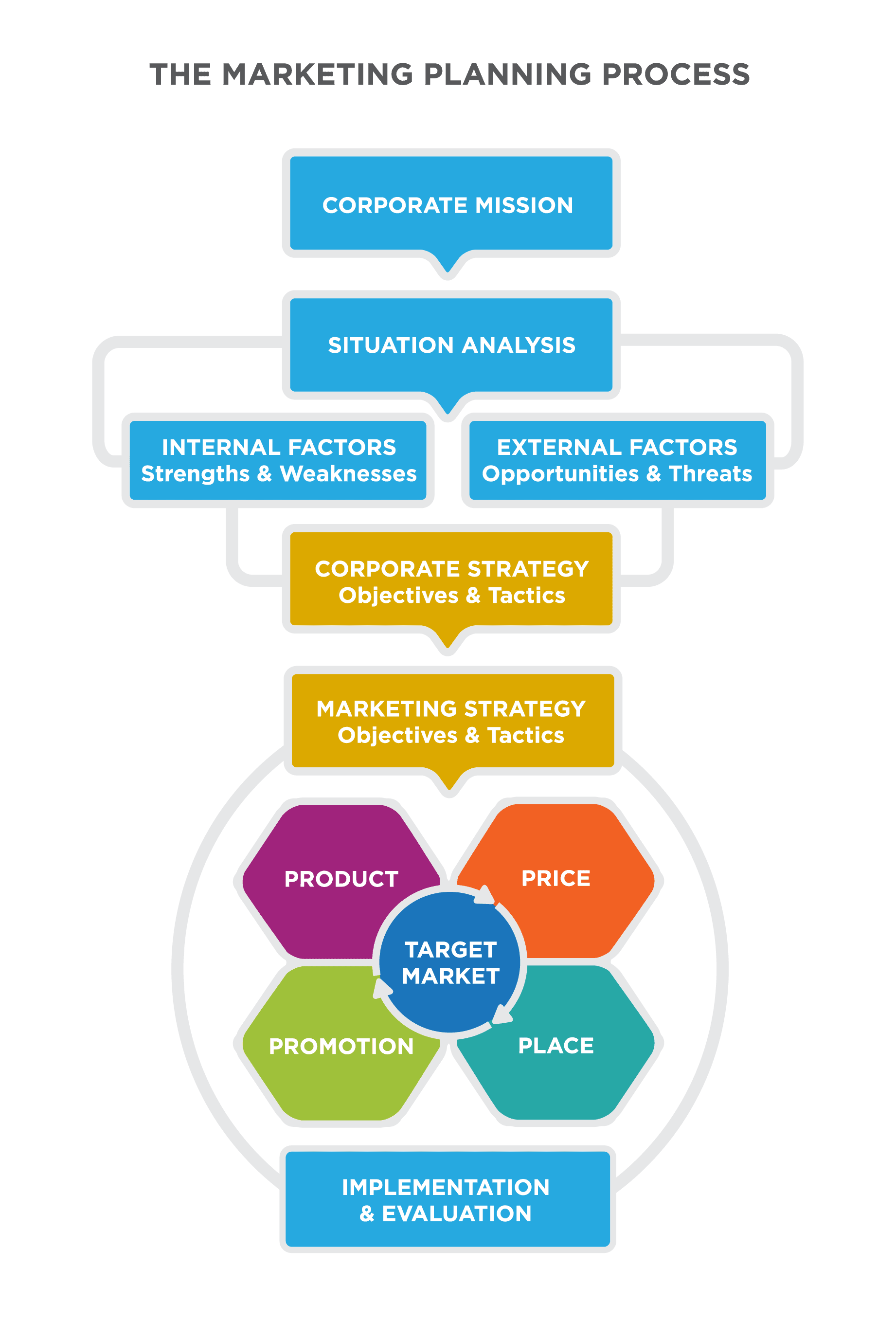
Creating the Marketing Strategy | Principles of Marketing View original
Is this image relevant?
Marketing Mix Introduction | Introduction to Business View original
Is this image relevant?
Putting It Together: Marketing Function | Principles of Marketing View original
Is this image relevant?
Creating the Marketing Strategy | Principles of Marketing View original
Is this image relevant?
Manufacturers and Producers
Manufacturers create the goods or services that flow through the channel. They handle product design, quality control, and initial pricing. Some manufacturers sell directly to consumers (think Apple Stores or Tesla showrooms), while others rely on intermediaries to reach their markets. The choice between direct and indirect distribution shapes the entire channel structure.
Wholesalers and Distributors
Wholesalers buy products in bulk from manufacturers and resell them to retailers or other businesses. Their core value comes from three activities:
- Breaking bulk: Purchasing large quantities and splitting them into smaller, manageable orders for retailers
- Assortment building: Combining products from multiple manufacturers so retailers can source from fewer suppliers
- Logistics management: Handling warehousing, shipping, and delivery across broad geographic areas
Sysco does this for food service, McKesson for pharmaceuticals, and Grainger for industrial supplies. Without wholesalers, every small retailer would need to negotiate directly with dozens of manufacturers.
Retailers and E-tailers
Retailers are the final link before the consumer. They sell products through physical stores (Walmart, Best Buy) or online platforms (Amazon). Their value comes from offering product variety from multiple manufacturers, providing customer service, and creating convenient shopping experiences.
E-tailers specifically leverage digital tools like personalized recommendations, user reviews, and algorithm-driven merchandising to replicate and sometimes surpass the in-store experience.
Agents and Brokers
Unlike wholesalers and retailers, agents and brokers never take ownership of the products they handle. They facilitate transactions between buyers and sellers, earning commissions or fees for their services. Real estate agents, insurance brokers, and manufacturers' representatives all fall into this category.
Their value lies in specialized market knowledge, established networks, and negotiation expertise. A manufacturer entering an unfamiliar market might use an agent rather than building its own sales force from scratch.
Functions of Channel Members
Channel members perform specific functions that reduce complexity and add value as products move from production to consumption. These functions explain why intermediaries exist and how they justify their costs.
Product Assortment and Selection
Channel members curate product mixes tailored to their customers. A grocery store aggregates products from hundreds of manufacturers so you can buy cereal, produce, and cleaning supplies in one trip. Department stores carry multiple clothing brands at different price points. This aggregation function saves consumers enormous time and effort compared to buying directly from each producer.
Inventory Management
Holding the right amount of stock at the right time is one of the most critical channel functions. This involves:
- Demand forecasting to anticipate what customers will need
- Just-in-time (JIT) systems that minimize carrying costs by receiving goods only as they're needed
- Product lifecycle management to phase out aging inventory before it becomes obsolete
- Tracking technology like RFID tags that provide real-time visibility into stock levels
Poor inventory management leads to either stockouts (lost sales) or overstock (wasted capital), so getting this right directly affects profitability.
Order Processing
Order processing covers the full cycle from when a customer places an order to when it's fulfilled. Channel members use order management systems (OMS) to coordinate across the supply chain, handle backorders, and keep customers informed with tracking updates. Speed and accuracy here are major drivers of customer satisfaction.
Transportation and Logistics
This function involves physically moving goods through the supply chain. Channel members coordinate shipping routes, select transportation modes (truck, rail, air, sea), and manage warehouse operations. For e-commerce, last-mile delivery (the final leg from distribution center to the customer's door) is often the most expensive and complex piece. Technologies like GPS tracking and route optimization software help reduce costs and improve delivery times.
Customer Service
Channel members closest to the consumer handle inquiries, complaints, returns, and product support. This function has grown more complex with omnichannel service, where customers expect consistent support whether they reach out in-store, by phone, through chat, or on social media. Strong customer service builds loyalty and protects brand reputation.
Roles in Distribution Channels

Intermediaries vs. Direct Selling
The fundamental channel design question is whether to use intermediaries or sell directly to consumers.
Intermediaries reduce transaction complexity. Without a wholesaler, a manufacturer selling to 1,000 retailers needs 1,000 separate relationships. A wholesaler consolidates those into a handful. Intermediaries also bring specialized market knowledge and established customer relationships.
Direct selling eliminates intermediary markups, giving manufacturers more control over pricing, branding, and the customer experience. However, it requires significant investment in sales infrastructure, logistics, and customer service. Dell built its business on direct online sales; Apple operates its own retail stores to control how customers experience its products.
The trade-off is clear: intermediaries reduce cost and complexity, while direct selling increases control and margins.
Value Addition in the Supply Chain
Every channel member needs to justify its place by adding value. Wholesalers add value through bulk breaking and assortment building. Retailers add value through convenient locations, knowledgeable staff, and curated shopping environments. Even logistics providers add value by getting products to the right place at the right time.
If a channel member isn't adding enough value to justify its cost, the channel becomes inefficient, and there's pressure to remove that member (a process called disintermediation, covered later in this guide).
Risk Management and Sharing
Distribution involves financial risk, inventory risk, and market risk. Channel members share these burdens across the chain:
- Wholesalers absorb risk by purchasing large quantities upfront, so manufacturers aren't stuck holding unsold inventory
- Retailers take on the risk of changing consumer preferences and seasonal demand shifts
- Manufacturers bear product development and quality risk
This risk-sharing arrangement makes the overall system more stable. No single member has to absorb all the uncertainty.
Channel Member Relationships
How channel members interact with each other determines whether the distribution system runs smoothly or breaks down. Relationship management is a strategic priority.
Vertical Integration Strategies
Vertical integration means combining different levels of the channel under single ownership.
- Forward integration: A manufacturer acquires downstream members. Example: Apple opening its own retail stores to control the customer experience.
- Backward integration: A retailer or wholesaler acquires upstream members. Example: Amazon acquiring Whole Foods to gain direct access to grocery supply chains.
Vertical integration increases control and can improve efficiency, but it also requires significant capital and management expertise across multiple business functions.
Horizontal Integration Strategies
Horizontal integration combines businesses at the same level of the channel. Two retailers merging, for instance, can achieve economies of scale, increase market power, and strengthen bargaining position with suppliers.
The risk: horizontal integration can reduce competition, which may trigger antitrust scrutiny from regulators. Any merger that significantly concentrates market power will face legal review.
Channel Conflict Management
Channel conflict arises when members disagree over goals, roles, or resources. Common sources include:
- Goal incompatibility: A manufacturer wants premium positioning while a retailer wants to discount for volume
- Role ambiguity: Unclear responsibilities for marketing, returns, or customer service
- Resource scarcity: Limited shelf space, promotional budgets, or territory rights
Resolution strategies range from negotiation and mediation to formal arbitration. Clear channel policies, open communication protocols, and shared data systems help prevent conflicts before they escalate.
Channel Design Considerations
Channel Length and Width
Channel length is the number of intermediary levels between producer and consumer. A zero-level channel (manufacturer sells directly to consumer) is the shortest. A two-level channel (manufacturer → wholesaler → retailer → consumer) is longer. Longer channels offer broader market coverage but add cost and reduce the manufacturer's control.
Channel width is the number of intermediaries at each level. More intermediaries at each level means wider market coverage but also greater potential for channel conflict.
Intensive vs. Selective Distribution
- Intensive distribution places products in as many outlets as possible. This works for convenience goods like soft drinks and snack foods, where consumers expect to find the product everywhere.
- Selective distribution limits the number of outlets. This suits products that require knowledgeable sales staff or after-sales service, like high-end electronics or luxury fashion. Fewer outlets also help maintain brand image and reduce price competition among retailers.
- Exclusive distribution (the most restrictive) grants a single retailer rights within a geographic area, common for luxury brands and automobiles.
Multichannel vs. Omnichannel Strategies
Multichannel distribution uses multiple separate channels (physical stores, website, catalog) that each operate independently with their own inventory, pricing, and goals.
Omnichannel integrates all channels into a unified customer experience. A customer might browse products on a mobile app, check availability at a nearby store, buy online, and pick up in-store. This requires heavy investment in technology and data integration, but it matches how modern consumers actually shop.
The key difference: multichannel gives customers options, while omnichannel gives them a seamless experience across those options.

Performance Evaluation
Measuring channel performance helps you identify bottlenecks, justify costs, and continuously improve distribution effectiveness.
Key Performance Indicators (KPIs)
- Sales volume and market share: Are products reaching enough customers?
- Inventory turnover rate: How quickly do products move through the channel? Higher turnover generally means healthier demand and less capital tied up in stock.
- Order fulfillment rate: The percentage of orders completed successfully and on time.
- Customer satisfaction scores: Direct feedback on the end-to-end buying experience.
- Customer acquisition cost: How efficiently the channel converts marketing spend into new customers.
Channel Efficiency Metrics
- Cost per unit distributed: Total distribution costs divided by units sold
- Inventory carrying costs: The expense of holding unsold inventory (storage, insurance, depreciation, opportunity cost)
- Lead time: The gap between order placement and delivery
- ROI on channel-specific initiatives: Whether investments in particular channel improvements are paying off
Member Satisfaction Assessment
Channel partnerships only work when both sides see value. Regular surveys and interviews with channel partners help gauge satisfaction with communication, support, and conflict resolution. Tracking partner retention rates and their willingness to invest in the relationship are strong indicators of channel health.
Emerging Trends
Disintermediation in the Digital Age
Disintermediation is the removal of intermediaries from the distribution channel. E-commerce has made this far more feasible. Tesla sells cars directly to consumers, bypassing dealerships. Netflix delivers content straight to viewers, cutting out traditional TV networks and cable providers.
Disintermediation can lower prices for consumers and increase margins for producers, but it also means the manufacturer must handle all the functions those intermediaries used to perform.
Sustainability in Supply Chains
Environmental and social responsibility are increasingly shaping distribution decisions. This includes green logistics (fuel-efficient fleets, optimized routes), eco-friendly packaging, ethical sourcing, and renewable energy in warehouses. Circular economy models, where products are designed for reuse, refurbishment, or recycling, are gaining traction as both a regulatory requirement and a consumer expectation.
Technology Adoption by Channel Members
- AI and machine learning for demand forecasting and inventory optimization
- Blockchain for supply chain transparency and traceability (verifying product origin and handling)
- IoT devices for real-time tracking of shipments and warehouse conditions
- Augmented reality for product visualization before purchase
- Big data analytics for personalization and trend identification
These technologies are shifting from competitive advantages to baseline expectations across the industry.
Legal and Ethical Considerations
Antitrust Regulations
Antitrust laws prevent monopolistic behavior and promote fair competition. The Sherman Antitrust Act prohibits price-fixing agreements between channel members and anti-competitive mergers. The Clayton Act addresses specific practices like exclusive dealing arrangements and territorial restrictions that could unfairly limit competition. Vertical integration strategies are subject to regulatory review when they threaten to create market dominance.
Fair Trade Practices
Laws like the Robinson-Patman Act prohibit discriminatory pricing, meaning manufacturers can't offer better prices to one retailer over another without cost-based justification. Regulations also address slotting fees (payments retailers charge for shelf space), promotional allowances, and power imbalances where large channel members pressure smaller partners into unfavorable terms.
Environmental Compliance
Channel members must comply with regulations governing waste management, recycling, emissions standards for transportation, sustainable packaging, and hazardous materials handling. In the U.S., the EPA sets many of these standards. In the European Union, REACH (Registration, Evaluation, Authorisation, and Restriction of Chemicals) governs chemical safety across supply chains. Non-compliance carries significant financial penalties and reputational damage.
See Fiveable more often in Google
Mark Fiveable as a preferred source and Google is more likely to show you our guides in Top Stories, with a "preferred" badge in AI Mode and AI Overviews.