6.6 Pricing tactics and promotions

📣Honors Marketing Unit 6 Review
6.6 Pricing tactics and promotions
📣 Honors Marketing
Fundamentals of Pricing
Pricing is one of the most direct levers in the marketing mix because it's the only element that generates revenue. Every other component (product, place, promotion) represents a cost. That makes pricing decisions uniquely powerful for shaping both profitability and how customers perceive your brand.

Top images from around the web for Price as marketing tool
Marketing mix — Wikipédia View original
Is this image relevant?
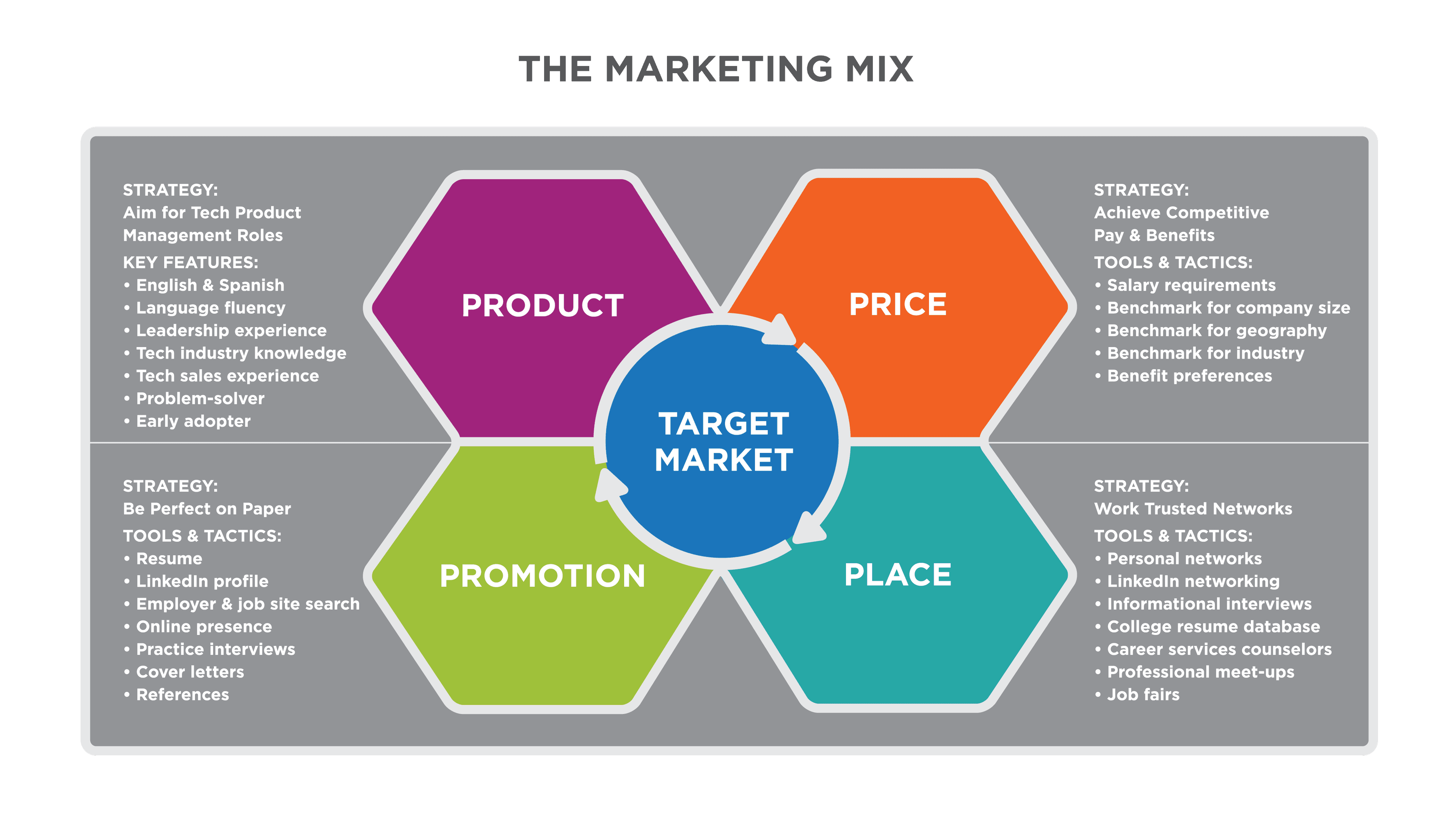
Putting It Together: Marketing Function | Principles of Marketing View original
Is this image relevant?
Outcome: Pricing Considerations | Introduction to Marketing View original
Is this image relevant?
Marketing mix — Wikipédia View original
Is this image relevant?
Putting It Together: Marketing Function | Principles of Marketing View original
Is this image relevant?
Price as a Marketing Tool
Price does more than cover costs. It sends a signal. A high price on a skincare product tells consumers "this is premium quality" before they even try it. A low price on a new streaming service says "give us a chance, there's low risk."
- Communicates value and quality to consumers before they experience the product
- Influences purchase decisions by framing what customers expect to get
- Differentiates from competitors in crowded markets
- Supports segmentation by targeting specific income levels or value-seeking groups
Pricing Objectives
Different business situations call for different pricing goals:
- Maximize profit by setting prices that achieve the highest possible returns
- Increase market share through competitive or aggressive pricing
- Establish price leadership to position the brand as premium
- Survive in highly competitive markets by pricing to at least cover costs
- Reinforce product quality image with premium pricing that matches brand positioning
Factors Influencing Pricing Decisions
- Production and distribution costs set the price floor (you can't go below this for long)
- Customer perceived value sets the ceiling (customers won't pay more than they think it's worth)
- Competitor pricing shapes market expectations and what feels "normal"
- Economic conditions affect how much purchasing power consumers have
- Government regulations may impose price controls or restrictions
- Product lifecycle stage matters: new products and mature products call for different approaches
Pricing Strategies
Pricing strategies are the broad frameworks companies use to set prices. The right choice depends on your costs, what customers value, and what competitors are doing.
Cost-Based Pricing
This approach starts with what it costs to make the product, then adds a desired profit margin on top.
- Markup pricing adds a standard percentage to the product cost (e.g., a retailer buys a shirt for and marks it up 50% to sell at )
- Break-even pricing determines the minimum price needed to cover all costs
- Simple to calculate, but the big weakness is that it ignores what customers are actually willing to pay and what competitors charge
Value-Based Pricing
Instead of starting with costs, value-based pricing starts with the customer. What do they think the product is worth?
- Requires deep understanding of customer needs and willingness to pay
- Allows for higher prices when the product delivers superior or unique value
- Demands extensive market research to gauge value perceptions accurately
- Apple's pricing is a classic example: their products cost more than competitors, but customers pay because they perceive high value in the design, ecosystem, and brand
Competition-Based Pricing
Here, you set prices relative to what competitors charge.
- Prices can be set at, above, or below the market average depending on your positioning
- Requires constant monitoring of competitor pricing
- Works well in markets with standardized products where differentiation is low (think gas stations)
- Risk: can trigger price wars if competitors keep undercutting each other
Dynamic Pricing
Dynamic pricing adjusts prices in real time based on supply, demand, and other market signals.
- Uses algorithms to optimize pricing for maximum revenue
- Common in airlines, hotels, ride-sharing apps, and e-commerce
- Enables personalized pricing based on customer data and browsing behavior
- Requires sophisticated technology and data analysis capabilities
- Uber's surge pricing is a well-known example: prices rise when demand exceeds available drivers
Price Elasticity of Demand
Price elasticity of demand measures how sensitive consumers are to price changes. It's one of the most useful concepts for predicting what happens to your sales when you raise or lower a price.
Elastic vs. Inelastic Demand
- Elastic demand (elasticity > 1): quantity demanded changes significantly when price changes. A 10% price increase might cause a 20% drop in sales.
- Inelastic demand (elasticity < 1): quantity demanded barely budges with price changes. A 10% price increase might only reduce sales by 3%.
- Unit elastic (elasticity = 1): the percentage change in quantity exactly matches the percentage change in price.
What makes demand more elastic?
- Availability of close substitutes (many alternatives = more elastic)
- Luxury vs. necessity (luxuries like designer clothing are more elastic; necessities like insulin are inelastic)
- Proportion of income spent (expensive purchases tend to be more elastic)
Calculating Price Elasticity
The result is technically negative (price goes up, demand goes down), but we typically use the absolute value. If the absolute value is greater than 1, demand is elastic. Less than 1, it's inelastic.
For large price changes, the arc elasticity formula (using midpoints) gives a more accurate measure than simple percentage changes.
Implications for Pricing Decisions
- Elastic products: be cautious with price increases since you'll lose significant sales volume. Price promotions can be very effective at driving demand.
- Inelastic products: you have more room to raise prices without losing many customers. This is where premium pricing strategies work.
- Understanding elasticity helps you find the price point that maximizes total revenue, not just margin per unit.
Pricing Tactics
Pricing tactics are the specific techniques that bring broader strategies to life. Marketers often combine several tactics at once.
Psychological Pricing
These tactics leverage how consumers process price information:
- Odd-even pricing: setting prices at instead of . That one-cent difference makes the price feel like it belongs in the "nine-dollar range" rather than the "ten-dollar range."
- Prestige pricing: using round, high prices (, ) to signal quality and exclusivity. Luxury brands do this deliberately.
- Price anchoring: showing a higher "original price" next to the sale price so the deal looks better by comparison.
- Decoy pricing: introducing a third option that makes the target option look like the best value. Movie theater popcorn sizing is a textbook example: the medium is priced close to the large, pushing you toward the large.
Price Skimming
- Launch the product at a high price to capture maximum revenue from early adopters who are less price-sensitive
- Gradually lower the price over time to attract more price-sensitive segments
- Continue stepping down to reach broader market segments
This works best for innovative products with limited initial competition (think new gaming consoles or flagship smartphones). It helps recover R&D costs quickly, but keeping prices high too long risks inviting competitors into the market.

Penetration Pricing
The opposite of skimming. You enter the market at a low price to grab market share fast.
- Effective for products with high price elasticity
- Creates barriers to entry since competitors may not be able to match your low price
- Requires the ability to achieve economies of scale so you can sustain those low prices profitably
- Risk: can spark price wars, and customers may resist future price increases
Bundle Pricing
Offering multiple products together at a single price that's lower than buying each item separately.
- Creates a perception of greater value
- Helps move less popular items by pairing them with popular ones
- Increases average transaction value
- The bundle components need to be chosen carefully so the deal is attractive to customers without destroying margins
Loss Leader Pricing
Pricing certain products below cost to draw customers in, with the goal of making profit on other purchases they make while shopping.
- Grocery stores do this regularly (e.g., selling milk below cost to get you in the door)
- Requires careful analysis to ensure the additional sales more than offset the loss
- Some jurisdictions have laws restricting this practice to prevent unfair competition
Promotional Pricing
Promotional pricing temporarily reduces prices to boost short-term sales. The key word is temporarily. If promotions run too often, customers start expecting the lower price as the "real" price, which erodes your brand value.
Discounts and Rebates
- Discounts are immediate price reductions at the point of sale
- Rebates require customers to submit proof of purchase after buying, then receive money back later. The extra step means fewer people actually redeem them, which is part of why companies use them.
- Volume discounts reward larger purchases (buy 10 cases, get 15% off)
- Rebates also serve as a data collection tool since customers provide contact information to claim them
Coupons and Vouchers
- Coupons offer a specific dollar amount or percentage off a purchase
- Digital coupons (via apps, email, or websites) are easy to distribute and allow precise tracking of redemption rates
- Vouchers provide a set value toward future purchases, encouraging customers to come back
- Both can be targeted to specific segments or used to encourage trial of new products
Seasonal Pricing
- Off-season discounts maintain sales during slow periods (winter coats on sale in March)
- Peak-season pricing capitalizes on high demand (hotel rates during holidays)
- Clearance sales move outdated inventory before new stock arrives
- Requires accurate demand forecasting to avoid being stuck with excess inventory or running out during peak times
Loyalty Programs
- Offer exclusive discounts or rewards to repeat customers
- Tiered programs provide increasing benefits at higher spending levels (think airline frequent flyer tiers)
- Points-based systems let customers accumulate value over time and redeem for rewards
- Personalized offers based on purchase history increase relevance and conversion
- The core goal is customer retention and increasing customer lifetime value
Price Discrimination
Price discrimination means charging different prices to different customers for the same product. It's not inherently illegal or unethical. It's actually very common and often benefits both businesses and consumers.
First-Degree Price Discrimination
Each customer is charged their maximum willingness to pay. In theory, this captures all consumer surplus for the seller.
- Nearly impossible in practice because you'd need perfect information about every individual's preferences
- Digital markets approximate it through personalized pricing based on browsing data, location, and purchase history
- Maximizes producer surplus but eliminates consumer surplus entirely
Second-Degree Price Discrimination
Different prices based on quantity purchased or product version.
- Volume discounts: buy more, pay less per unit
- Versioning: offering basic, standard, and premium tiers of the same product (common in software and subscriptions)
- Customers self-select into the tier that matches their willingness to pay
- The company doesn't need to identify who values the product most; the pricing structure does it automatically
Third-Degree Price Discrimination
Different prices for identifiable market segments.
- Student discounts, senior discounts, and military discounts are everyday examples
- Movie matinee pricing (cheaper during the day) segments by time
- Requires the ability to identify segments and prevent resale between groups
- This is the most widely used form of price discrimination
Legal and Ethical Considerations
Pricing freedom has limits. Several practices cross legal and ethical lines, and violations carry serious consequences.
Price Fixing
An illegal agreement between competitors to set prices at a certain level rather than competing independently.
- Violates antitrust laws (the Sherman Act in the U.S., competition law in the EU)
- Horizontal price fixing: competitors at the same level agree on prices
- Vertical price fixing: a manufacturer dictates retail prices to distributors
- Penalties include heavy fines and potential criminal charges for individuals involved
- Whistleblower and leniency programs encourage insiders to report price-fixing schemes
Predatory Pricing
Setting prices below cost with the intent to drive competitors out of business, then raising prices once competition is eliminated.
- Illegal when done with intent to monopolize
- Difficult to prove because genuinely efficient companies can also have very low prices
- Courts look for evidence that the company could realistically recoup its losses through future price increases
- Market structure and barriers to entry are key factors in investigations

Deceptive Pricing Practices
Misleading consumers about the true cost or savings of a product.
- False reference pricing: inflating the "original price" to make a discount look bigger than it is
- Hidden fees: advertising a low price but adding mandatory charges at checkout
- Bait-and-switch: advertising a low-priced item to lure customers in, then pushing them toward a more expensive alternative
- Violates consumer protection laws (FTC Act in the U.S.) and can result in fines and brand damage
International Pricing
Selling across borders adds layers of complexity to pricing decisions. What works in one market may not work in another.
Exchange Rate Impact
- Currency fluctuations directly affect pricing and profitability for international sellers
- Hedging strategies (forward contracts, currency options) help manage exchange rate risk
- Pricing in local currency shifts exchange rate risk to the seller; pricing in home currency shifts it to the buyer
- Markets with unstable currencies may require frequent price adjustments
Market-Specific Pricing
- Prices should reflect local purchasing power, competition, and distribution costs
- A product priced at in the U.S. might need to be in a developing market to reach the target segment
- Significant price differences between countries can lead to gray market issues (unauthorized reselling across borders)
- Local market research is essential for finding the right price point in each country
Transfer Pricing
Transfer pricing sets the prices for transactions between different divisions of the same multinational company (e.g., a factory in one country selling components to a subsidiary in another).
- Affects how profits and tax liabilities are distributed across countries
- Tax authorities scrutinize transfer prices to prevent profit shifting (artificially moving profits to low-tax jurisdictions)
- The arm's length principle requires that these internal prices be similar to what unrelated parties would charge
- Requires thorough documentation and justification
Pricing in Digital Markets
Digital markets enable pricing approaches that would be impractical in physical retail. The combination of low marginal costs and rich customer data creates unique opportunities.
Freemium Models
Offer a basic version for free, then charge for premium features.
- The free tier attracts a large user base; the goal is converting a percentage to paid users
- Conversion rate from free to paid is the critical metric (industry averages vary, but even 2-5% can be profitable at scale)
- The balance between free and paid features is tricky: too much free and nobody upgrades; too little and nobody signs up
- Spotify, Dropbox, and LinkedIn all use this model
Subscription-Based Pricing
Charges a recurring fee for ongoing access.
- Provides predictable, recurring revenue and encourages long-term customer relationships
- Tiered plans (basic, standard, premium) cater to different segments and willingness to pay
- Free trial periods reduce the barrier to trying the service
- Churn rate (the percentage of subscribers who cancel) is the key metric to watch. Keeping churn low requires consistent value delivery.
Pay-Per-Use Pricing
Customers pay based on how much they actually use.
- Aligns cost directly with value received, which feels fair to customers
- Common in cloud computing (AWS charges by compute hours), utilities, and some SaaS products
- Requires robust usage tracking and billing systems
- Downside for the company: revenue can be unpredictable since it fluctuates with customer usage patterns
Promotional Strategies
Promotional strategies work alongside pricing tactics to drive sales and build brand awareness. They fall into several categories depending on who the promotion targets.
Types of Sales Promotions
- Price promotions: temporary discounts, BOGO offers, flash sales
- Non-price promotions: contests, sweepstakes, free gifts with purchase
- Product trials: free samples or trial periods that let customers experience the product risk-free
- Loyalty rewards: points, cashback, or exclusive perks for repeat buyers
- Event sponsorships: associating the brand with events to increase visibility (e.g., Red Bull sponsoring extreme sports)
Push vs. Pull Promotions
These target different points in the distribution channel:
- Push promotions target intermediaries (wholesalers, retailers) to get them to stock and promote your product. Tools include trade allowances, cooperative advertising funds, and sales contests for retail staff.
- Pull promotions target end consumers to create demand that "pulls" the product through the channel. Tools include consumer coupons, rebates, and brand advertising.
- Most effective strategies combine both. Push gets the product on shelves; pull gets consumers asking for it.
Trade Promotions
These are directed at channel partners rather than end consumers.
- Volume discounts encourage retailers to buy in larger quantities
- Slotting fees are payments to retailers for shelf space (common in grocery)
- Promotional allowances compensate retailers for featuring the product in ads or displays
- Risk: forward buying, where retailers stock up during promotions and then don't order again until the next deal. This creates uneven demand and can hurt long-term profitability.
Measuring Pricing Effectiveness
Setting a price is only the beginning. You need to measure whether your pricing is actually working.
Price Sensitivity Analysis
Several research techniques help gauge how customers respond to different prices:
- Van Westendorp's Price Sensitivity Meter: survey-based method that identifies the range of acceptable prices by asking customers at what price a product is "too cheap," "a bargain," "getting expensive," and "too expensive"
- Gabor-Granger technique: directly asks respondents whether they'd buy at specific price points to estimate demand curves
- Conjoint analysis: evaluates how much price matters relative to other product attributes (features, brand, design)
Break-Even Analysis
Break-even analysis tells you how many units you need to sell at a given price to cover all your costs.
For example, if fixed costs are , the price is , and variable cost per unit is , you need to sell units to break even. This is useful for comparing different pricing scenarios and setting minimum sales targets.
Profitability Metrics
- Gross margin: revenue minus cost of goods sold, divided by revenue. Shows profitability at the product level.
- Contribution margin: price minus variable cost per unit. Shows how much each sale contributes toward covering fixed costs.
- Price-cost margin: indicates how much pricing power you have in the market
- ROI on pricing strategies: evaluates whether pricing changes actually improved overall profitability
- Customer lifetime value (CLV): assesses the long-term revenue impact of pricing decisions on customer relationships and retention
See Fiveable more often in Google
Mark Fiveable as a preferred source and Google is more likely to show you our guides in Top Stories, with a "preferred" badge in AI Mode and AI Overviews.