12.6 International market research

📣Honors Marketing Unit 12 Review
12.6 International market research
📣 Honors Marketing
Importance of International Research
International market research gives companies the data they need to expand into foreign markets with confidence. Without it, you're guessing about how consumers behave, what they value, and whether your product even makes sense in a new cultural context.
This research covers everything from identifying which markets to enter, to understanding how culture shapes buying decisions, to managing the risks of operating abroad.

Top images from around the web for Global market opportunities
Reading: Strategic Opportunity Matrix | Principles of Marketing View original
Is this image relevant?
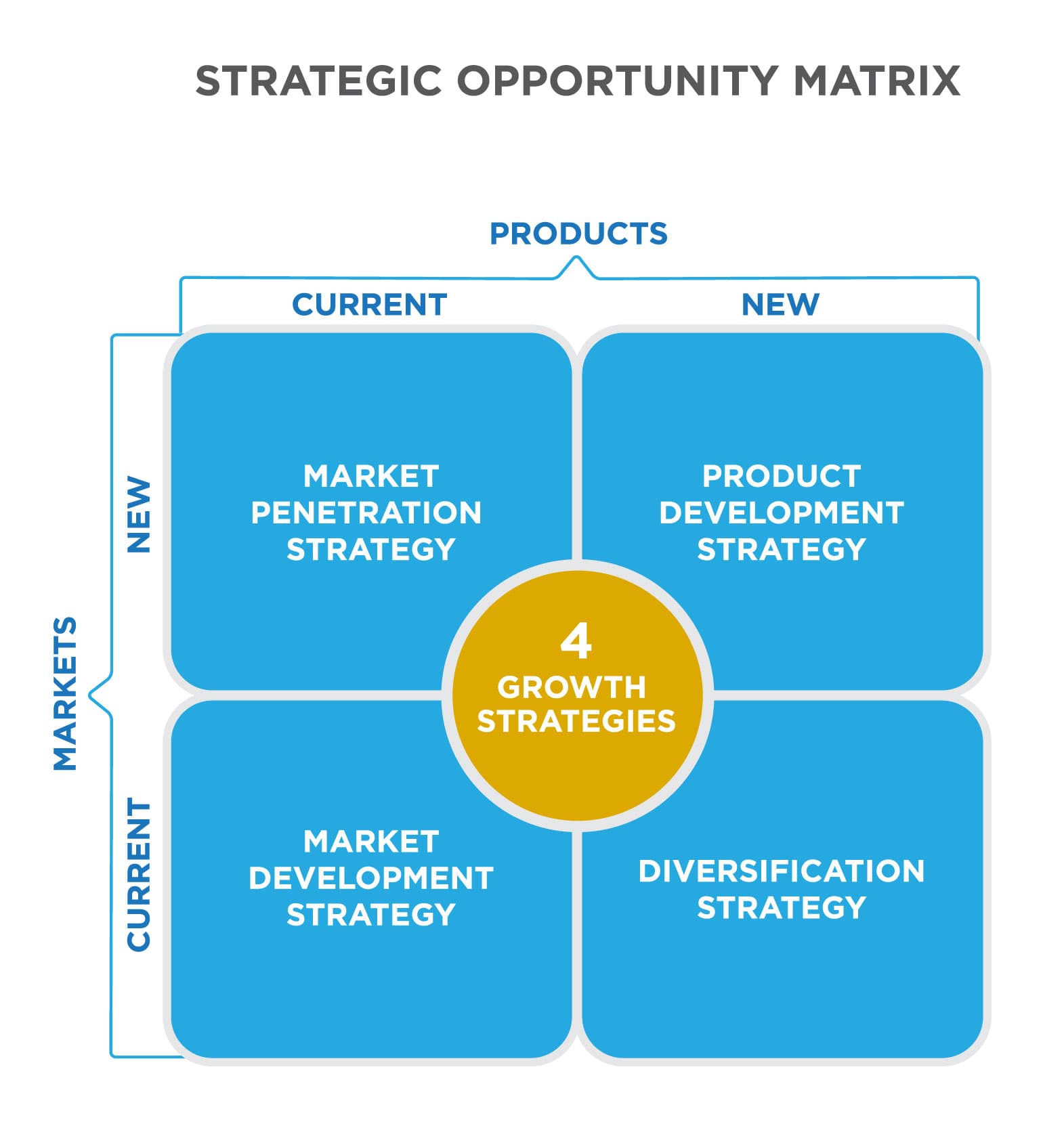
Strategic Opportunity Matrix | Principles of Marketing View original
Is this image relevant?
Global Marketing Strategy | Building Marketing Capabilities as a Way... View original
Is this image relevant?
Reading: Strategic Opportunity Matrix | Principles of Marketing View original
Is this image relevant?
Strategic Opportunity Matrix | Principles of Marketing View original
Is this image relevant?
Global Market Opportunities
The first job of international research is figuring out where to expand. That means:
- Identifying untapped markets and potential customer segments in different countries
- Assessing market size, growth potential, and the competitive landscape
- Evaluating consumer purchasing power using economic indicators like GDP per capita and inflation rates
For example, a company considering expansion into Southeast Asia would look at rising middle-class populations in Vietnam or Indonesia, compare per-capita income trends, and map out which competitors already operate there.
Cultural Differences Impact
Culture shapes nearly every aspect of consumer behavior. International research helps you understand those differences before you launch a campaign that falls flat or offends your audience.
- Analyzes how cultural values influence product preferences and buying habits
- Examines whether marketing messages land differently across cultures
- Identifies potential cultural taboos or sensitivities, such as color symbolism (white signals mourning in parts of East Asia) or religious dietary restrictions affecting food products
Risk Mitigation Strategies
Entering a foreign market carries political, economic, and legal risks. Research helps you anticipate them:
- Political stability and regulation: Is the government stable? Are there import restrictions or advertising regulations you need to follow?
- Currency and economic risk: Exchange rate fluctuations can erode profit margins overnight
- Intellectual property: Some countries have weaker IP protections, which matters if you're bringing proprietary products or branding into the market
International Research Process
Conducting research across borders follows the same general logic as domestic research, but every step gets more complicated. You're dealing with different languages, cultural norms, data availability, and logistical constraints.
Research Objective Setting
Before collecting any data, you need to define exactly what you're trying to learn. Vague goals lead to wasted time and money, especially when research spans multiple countries.
- Define clear, measurable goals tied to your market entry strategy
- Specify what information you need for each target market (consumer preferences, competitor positioning, regulatory requirements)
- Prioritize objectives so you can allocate budget where it matters most
Secondary vs. Primary Data
Secondary data is information that already exists: government census reports, World Bank statistics, industry publications, reports from firms like Euromonitor or Nielsen. It's cheaper and faster to obtain, but it may be outdated or too general for your specific questions.
Primary data is information you collect yourself through surveys, interviews, or observation. It's more expensive and time-consuming, but it directly addresses your research questions.
Most international research projects use both. You start with secondary data to understand the broad landscape, then fill in gaps with targeted primary research.
Qualitative vs. Quantitative Methods
- Qualitative methods (focus groups, in-depth interviews, ethnographic studies) explore the why behind consumer behavior. They're especially valuable in unfamiliar markets where you don't yet know the right questions to ask.
- Quantitative methods (surveys, statistical analysis) measure the how much and how many. They give you numbers you can compare across markets.
Combining both gives you the fullest picture. Qualitative research might reveal that consumers in a market value family approval before making purchases; quantitative research can then measure how widespread that behavior is.
Cultural Considerations
Culture affects not just what you're researching but how you can research it. A survey design that works perfectly in the U.S. might produce misleading results in Japan or Saudi Arabia.
Language and Translation Issues
Translation is one of the trickiest parts of international research. A question that seems straightforward in English might carry a different connotation in another language.
- Conceptual equivalence matters more than literal translation. The goal is to ensure each question measures the same concept across languages.
- Back-translation is the standard technique: translate the survey into the target language, then have a different translator convert it back to English. Comparing the two versions reveals translation errors.
- Even response scales can cause problems. A 1-to-5 satisfaction scale may not feel natural in every culture.
Cultural Norms and Values
Hofstede's cultural dimensions (individualism vs. collectivism, power distance, uncertainty avoidance, etc.) provide a useful framework for understanding how culture shapes consumer decisions.
- In collectivist cultures, purchasing decisions often involve family input, so marketing that targets individuals may miss the mark
- Power distance affects how consumers respond to authority figures in advertising
- Religious beliefs and traditions directly influence product usage, from dietary restrictions to modesty norms in fashion
Etiquette and Business Practices
When conducting primary research abroad, you need to understand local business customs:
- Communication styles vary widely. Some cultures favor direct communication; others rely on indirect cues and context.
- In China, guanxi (relationship-building) is essential before any meaningful business exchange happens. Jumping straight to research questions without establishing trust can undermine your results.
- Attitudes toward time and punctuality differ. Scheduling a tightly timed focus group may not work in cultures with more flexible time norms.
Data Collection Methods
Every data collection method needs to be adapted for the local context. What works in one market may be impractical or culturally inappropriate in another.
Surveys and Questionnaires
Surveys are the most common quantitative tool, but international deployment requires careful adaptation:
- Design culturally appropriate questions and response scales (avoid idioms or culturally specific references)
- Choose the right delivery method based on local conditions. Online surveys work well in South Korea (high internet penetration), but face-to-face interviews may be necessary in rural Sub-Saharan Africa.
- Account for low literacy rates in some markets by using visual scales or oral administration

Focus Groups and Interviews
Focus groups provide rich qualitative data, but group dynamics vary by culture:
- In high-power-distance cultures, younger or lower-status participants may defer to older or higher-status members, skewing results
- Gender dynamics matter. Mixed-gender focus groups may not produce honest responses in some cultural contexts.
- Moderation techniques need adjustment. Direct probing works in some cultures; in others, indirect approaches yield better insights.
Observational Research Techniques
Sometimes the best data comes from watching what people actually do, rather than asking what they say they do:
- Ethnographic research involves observing consumers in natural settings (homes, stores, markets)
- Mystery shopping assesses customer service and product presentation across different markets
- Social media analysis captures unsolicited consumer opinions, though platform preferences vary by country (WeChat in China, WhatsApp in Brazil, LINE in Japan)
Sampling in Global Markets
Getting a representative sample is harder in international research. Accurate population lists may not exist, certain groups may be difficult to reach, and budgets have to stretch across multiple countries.
Probability vs. Non-Probability Sampling
- Probability sampling (simple random, stratified, cluster) gives every member of the population a known chance of being selected. It produces statistically generalizable results but requires a reliable sampling frame.
- Non-probability sampling (convenience, quota, snowball) is often more practical in international settings where complete population lists don't exist. The tradeoff is reduced generalizability.
The choice depends on your research objectives, budget, and what's actually feasible in each market.
Sample Size Determination
Calculating sample size involves balancing statistical rigor with practical constraints:
- Larger samples reduce your margin of error and increase confidence in results
- Multi-country studies often need different sample sizes per country, adjusted for population size and market complexity
- Budget constraints are real. Researchers sometimes accept a wider margin of error in smaller or less critical markets.
Representativeness Across Cultures
A sample that mirrors one country's demographics won't automatically work for another:
- Ensure samples reflect the demographic diversity of each target market (age, gender, income, urban vs. rural)
- Some population segments are harder to reach in certain cultures. Women in conservative societies may be less accessible for face-to-face interviews.
- Cultural factors affect response rates. Some cultures are more willing to participate in research than others, which can introduce non-response bias.
Challenges in International Research
Even well-designed research projects run into obstacles when crossing borders. Anticipating these challenges helps you plan around them.
Political and Legal Barriers
- Some governments restrict data collection or require special permits for market research
- Censorship or limited press freedom can make secondary data unreliable in certain countries
- Data-sharing regulations may prevent you from transferring research findings across borders
Economic and Infrastructure Limitations
- Varying levels of economic development affect which research methods are feasible
- Rural or remote areas may lack the infrastructure for traditional data collection
- Income disparities within a country can make it difficult to create a single research approach that works for all segments
Technological Disparities
Technology access varies dramatically across markets, and your methods need to reflect that:
- Online surveys assume internet access, which remains limited in parts of Africa, South Asia, and rural areas globally
- In markets with high smartphone usage but low computer access, mobile-first survey design is essential
- SMS-based surveys can reach populations that smartphones and internet surveys cannot
Data Analysis and Interpretation
Collecting data across countries is only half the challenge. Interpreting it correctly requires awareness of cultural factors that can distort your findings.
Cross-Cultural Data Comparison
Comparing data across countries is tricky because cultural response styles differ:
- Extreme response bias: Respondents in some cultures (e.g., Latin America) tend to choose the highest or lowest points on a scale, while others (e.g., East Asia) gravitate toward the middle
- Acquiescence bias: In high-power-distance cultures, respondents may agree with statements more readily to avoid seeming disagreeable
- Different data collection methods across countries can make direct comparisons unreliable unless you account for methodological differences
Statistical Analysis Techniques
- Descriptive statistics summarize key findings (means, frequencies, distributions) for each market
- Inferential statistics test hypotheses and identify whether differences between markets are statistically significant
- Multivariate analysis (cluster analysis, factor analysis, regression) helps segment markets or identify the key drivers of consumer behavior across regions

Contextual Interpretation of Results
Numbers alone don't tell the full story. A spike in negative sentiment about a product in one country might reflect a political event, not a product flaw.
- Always consider local economic, political, and social context when interpreting findings
- Collaborate with local experts or in-country research partners who understand the cultural nuances
- Be cautious about applying findings from one market to another without validating them locally
Ethical Considerations
International research raises ethical questions that go beyond what you'd face in a single domestic market. Different countries have different legal standards, cultural expectations, and power dynamics.
Privacy and Data Protection
Data protection laws vary significantly by country:
- The EU's GDPR imposes strict rules on data collection, storage, and transfer. California's CCPA has its own requirements. Many other countries have their own frameworks.
- Cross-border data transfer requires secure protocols and compliance with each country's regulations
- Privacy expectations differ culturally. What feels like a normal survey question in one country may feel intrusive in another.
Informed Consent Across Cultures
Getting meaningful informed consent is more complex internationally:
- Consent procedures need to be culturally appropriate. In some cultures, a community leader's approval may be expected before individuals participate.
- Language barriers make it harder to ensure participants truly understand what they're consenting to
- Written consent forms may not work in populations with low literacy; verbal consent protocols may be needed
Ethical Research Practices
- Avoid research techniques that exploit cultural differences or power imbalances between researchers and participants
- Compensate participants fairly based on local economic conditions, not just what's standard in your home market
- Be transparent about how data will be used, especially when working in communities with limited experience with market research
Technology in International Research
Digital tools have made international research faster and more scalable, but technology adoption varies widely, so you can't rely on a one-size-fits-all approach.
Online Survey Platforms
- Platforms like Qualtrics and SurveyMonkey offer multi-language capabilities and global distribution
- Mobile-responsive design is critical for markets where smartphones are the primary internet device
- Online panel quality varies by country. In some markets, panels skew young, urban, and higher-income, which limits representativeness.
Mobile Data Collection Tools
- Mobile apps allow field researchers to collect data offline in areas with limited connectivity, then sync when a connection is available
- SMS-based surveys reach populations that use feature phones rather than smartphones
- Location-based tools enable geographically targeted research, useful for studying regional differences within a country
Big Data and Analytics
- Social media analysis reveals consumer sentiment, but you need to use the right platforms for each market (Twitter may be relevant in the U.S. but not in China, where Weibo dominates)
- Web scraping gathers competitive intelligence from international e-commerce sites and review platforms
- Machine learning algorithms can perform cross-cultural text analysis and sentiment detection at scale, though they require training data in each target language
Reporting and Presentation
Research is only valuable if stakeholders can understand and act on the findings. International research reports need to be clear, culturally sensitive, and tailored to diverse audiences.
Cultural Sensitivity in Reporting
- Avoid cultural stereotypes or sweeping generalizations about entire countries
- Be aware of cultural taboos when presenting sensitive data (health behaviors, financial information)
- Adapt the tone and formality of reports to match the communication style expected by stakeholders in each market
Visual Data Representation
- Color choices in charts and graphs carry cultural meaning. Red signals danger in some cultures but prosperity in China.
- Reading direction affects how people scan visual information. Design layouts accordingly for right-to-left reading cultures.
- Interactive dashboards are useful for stakeholders who need to explore complex multi-country datasets on their own
Actionable Insights for Stakeholders
The final output of international research should drive decisions, not just describe data:
- Provide specific recommendations tailored to each target market or region
- Highlight cultural factors that should shape marketing strategy, product adaptation, or pricing
- Use scenario planning to help stakeholders prepare for different outcomes in uncertain international markets
See Fiveable more often in Google
Mark Fiveable as a preferred source and Google is more likely to show you our guides in Top Stories, with a "preferred" badge in AI Mode and AI Overviews.