3.5 Paper types

✏️Drawing I Unit 3 Review
3.5 Paper types
✏️ Drawing I
Drawing paper comes in many types, each designed for different techniques and media. Choosing the right paper affects both how your drawing looks and how long it lasts. The main factors to consider are tooth, weight, acidity, and surface finish.
Types of Drawing Paper
Before diving into specific paper types, it helps to understand the four properties you'll use to evaluate any sheet of paper: tooth and texture, weight and thickness, acidity, and surface finish (cold-press vs. hot-press). These properties cut across all paper types, so learning them first makes everything else click.

Top images from around the web for Tooth and texture
Friction – University Physics Volume 1 View original
Is this image relevant?
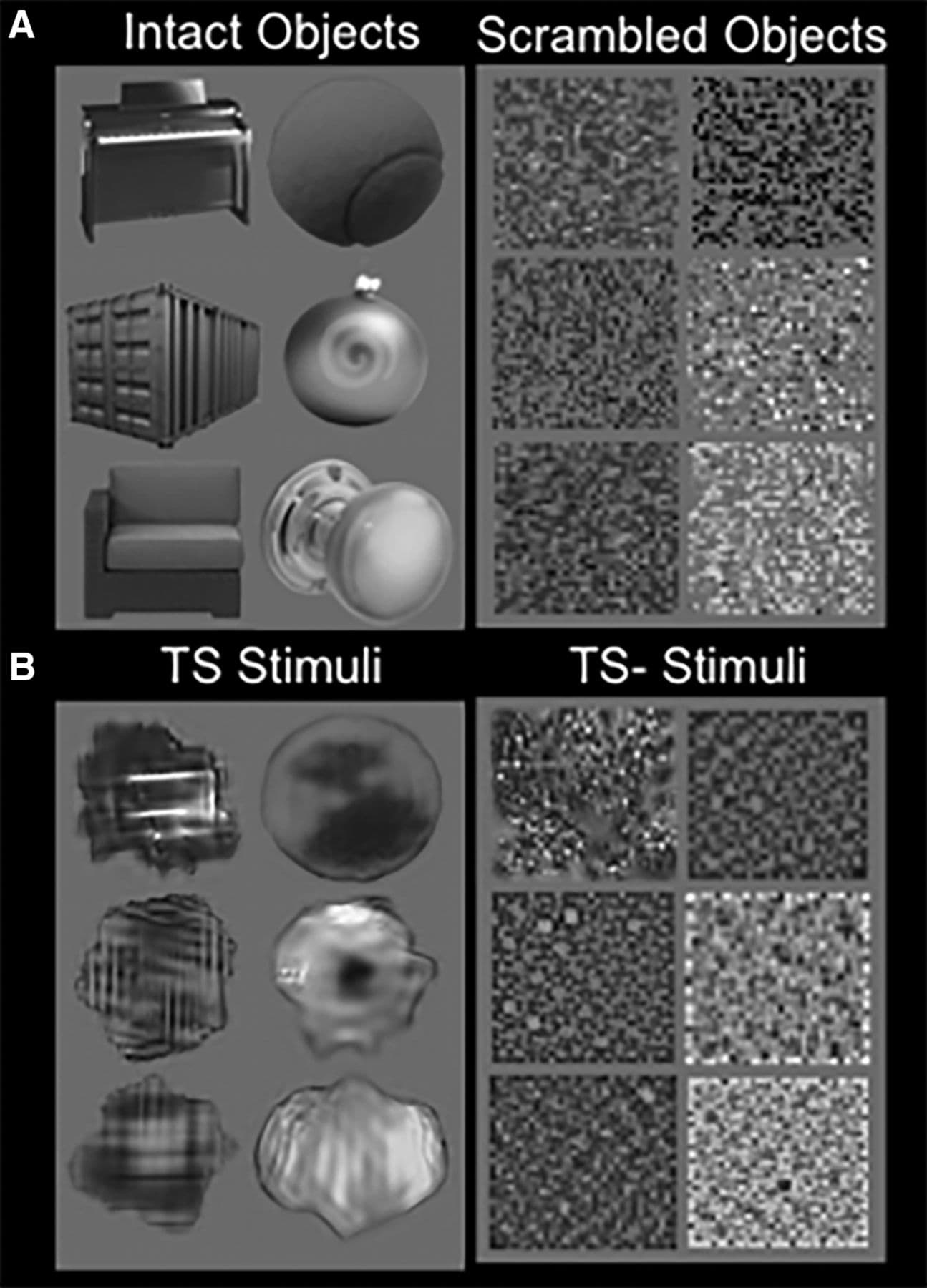
Smooth versus Textured Surfaces: Feature-Based Category Selectivity in Human Visual Cortex | eNeuro View original
Is this image relevant?
Radiance specularity and roughness value examples View original
Is this image relevant?
Friction – University Physics Volume 1 View original
Is this image relevant?
Smooth versus Textured Surfaces: Feature-Based Category Selectivity in Human Visual Cortex | eNeuro View original
Is this image relevant?
Tooth and Texture
Tooth refers to the surface roughness or smoothness of the paper. You can actually feel it if you run your finger across the sheet.
- Rough or toothy paper has a textured surface that grips drawing media like charcoal, pastels, and colored pencils. The little peaks and valleys in the surface catch pigment particles, which lets you build up layers and create richer tonal effects.
- Smooth paper has a fine, even surface that works well for detailed work with graphite pencils, pen and ink, or markers. Lines come out crisp, and shading stays even because there's no surface texture breaking things up.
A good way to think about it: the rougher the paper, the more it "holds on" to your medium. The smoother the paper, the more control you have over fine detail.
Weight and Thickness
Paper weight is measured in pounds (lbs) or grams per square meter (gsm). Higher numbers mean thicker, sturdier paper.
- Heavier paper (e.g., 140 lb / 300 gsm) resists buckling and warping when you use wet media like watercolors or ink washes. It's the better choice for finished artworks or pieces that require multiple layers.
- Lighter paper (e.g., 50–70 lb / 75–100 gsm) is thinner and more delicate. It's great for sketching and practice since it's cheaper and more portable. Most sketchbooks use lighter paper so they can fit more pages without getting bulky.
Acid-Free vs. Acidic Paper
This one matters most for longevity.
- Acid-free paper is made without acidic compounds, so it won't yellow, become brittle, or discolor over time. If you're creating work you want to keep or sell, acid-free is essential.
- Acidic paper (like newsprint) will degrade over months and years. It's perfectly fine for practice, gesture drawings, or anything temporary, but don't use it for work you want to preserve.
Cold-Press vs. Hot-Press
These terms describe how the paper was manufactured, and they show up most often when you're shopping for watercolor paper.
- Cold-pressed paper has a slightly textured surface with moderate tooth. It's the most versatile option because it handles both detailed work and loose, expressive washes.
- Hot-pressed paper has a smooth, fine surface with minimal tooth. It's best for precise, detailed work or when you want a clean, smooth finish.
The names come from the production process: hot-pressed paper is literally pressed through heated rollers that flatten the surface, while cold-pressed paper skips that step and retains more texture.
Common Paper Types

Watercolor Paper
Specifically engineered to handle the moisture of watercolor washes without falling apart. It's typically much heavier than standard drawing paper (often 140 lb / 300 gsm or more). Watercolor paper comes in all three surface finishes: rough, cold-pressed, and hot-pressed, so you can match it to your painting style.
Bristol Board
A smooth, heavyweight paper with a very uniform surface. It's a go-to for detailed pen and ink work, markers, and fine graphite drawings. Bristol comes in two finishes:
- Smooth (plate) for the crispest possible lines
- Vellum for a slightly textured surface that still handles detail well
Newsprint
A lightweight, inexpensive paper made from recycled newspaper pulp. It's the paper you'll probably use most for quick sketches, gesture drawings, and warm-up exercises. Because it's acidic, it yellows and deteriorates quickly, so it's strictly for practice, not finished work.
Tracing Paper
A thin, translucent paper that lets light pass through. You use it to trace images, transfer designs to another surface, or layer over a sketch to refine your composition without committing to the final drawing surface. It's a planning tool as much as a drawing surface.
Vellum (Drafting Vellum)
Not to be confused with the vellum finish on Bristol board. Drafting vellum is a smooth, translucent paper made from cotton or wood pulp. It has a slightly waxy surface that resists erasures and can handle multiple reworks, which is why it's traditionally used for technical drawings, blueprints, and overlays.

Toned Paper
Paper with a pre-colored surface, usually in shades of grey, tan, or brown. The color provides a mid-tone base, which means you can work in two directions: use dark media (charcoal, dark pencil) for shadows and light media (white charcoal, white pencil) for highlights. This is a great way to practice thinking about value range, and it produces drawings with a lot of depth and contrast.
Colored Paper
Available in a wide range of colors, colored paper can serve as a background that adds visual interest or creates unique color interactions with your media. Colored pencils, pastels, and markers all work well on colored paper. The paper color becomes part of the artwork itself, so choosing it is a real compositional decision.
Handmade Paper
Crafted by hand using traditional methods, often from natural fibers like cotton, abaca, or mulberry. Each sheet is unique, with irregular edges, varying thickness, and sometimes embedded fibers or plant material. It's prized for its texture and character, making it a strong choice for expressive or experimental drawings where the paper itself contributes to the visual effect.
Choosing the Right Paper
Picking paper comes down to three questions:
- What media and techniques are you using? Rough, toothy paper for dry media like charcoal or pastels. Smooth paper for detailed work with pencils, ink, or markers. Heavy paper for anything wet.
- What's the purpose of the piece? Acid-free paper for finished, archival work. Cheaper acidic paper for practice and sketches.
- What suits your style? Experiment with different weights, textures, and colors. You'll develop preferences over time, and the only way to find them is to try different surfaces.
Paper Storage and Preservation
Good paper deserves good care. A few habits will keep your supplies and finished work in shape:
- Store paper flat in a cool, dry place away from direct sunlight and moisture. Archival-quality storage boxes, portfolios, or flat file drawers work well.
- Handle paper with clean, dry hands. Oils from your skin can affect how media adheres to the surface and can cause staining over time.
- For finished artworks, use acid-free materials for framing, matting, and storage. Archival tape, backboards, and sleeves prevent acidic compounds from migrating to the artwork.
- Consider photographing or scanning important artworks as a backup.
See Fiveable more often in Google
Mark Fiveable as a preferred source and Google is more likely to show you our guides in Top Stories, with a "preferred" badge in AI Mode and AI Overviews.