3.7 Blending tools

✏️Drawing I Unit 3 Review
3.7 Blending tools
✏️ Drawing I
Blending Tools Overview
Blending tools let you create smooth transitions, soft gradients, and seamless tonal shifts in your drawings. The tool you reach for depends on two things: the drawing medium you're using and the effect you want to achieve. This section covers the main blending tools, the techniques that go with them, and how they behave across different media.

Top images from around the web for Tortillons vs blending stumps
6.2 Blending Techniques – Hair Colour for Hairstylists: Level 2 View original
Is this image relevant?
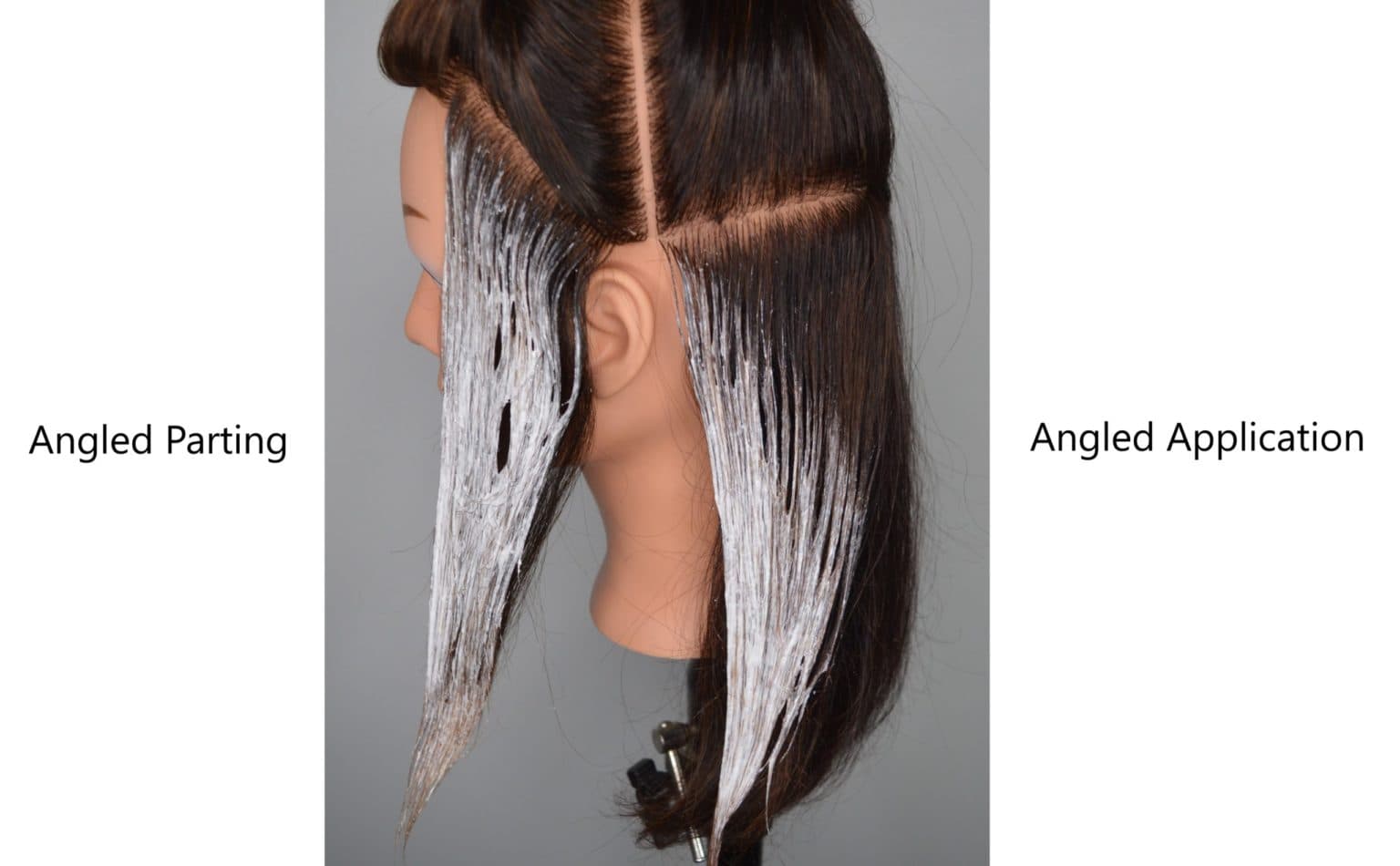
6.2 Blending Techniques – Hair Colour for Hairstylists: Level 2 View original
Is this image relevant?
6.2 Blending Techniques – Hair Colour for Hairstylists: Level 2 View original
Is this image relevant?
6.2 Blending Techniques – Hair Colour for Hairstylists: Level 2 View original
Is this image relevant?
6.2 Blending Techniques – Hair Colour for Hairstylists: Level 2 View original
Is this image relevant?
Tortillons vs. Blending Stumps
These two get confused constantly, but they're actually different tools.
- Tortillons are rolled from a single strip of paper into a cone shape, hollow in the center. They have one pointed end and work well for blending small, detailed areas. Because they're lighter and less dense, they deposit less material and give you subtler results.
- Blending stumps (also called stomps) are made from tightly compressed paper, solid all the way through, with points on both ends. They're firmer, which means they push pigment around more aggressively and give you greater control over precise blending.
Both come in various sizes and work with graphite, charcoal, and other dry media. A good rule of thumb: use tortillons for lighter, more delicate blending and stumps when you need to move more material or work in tighter spaces.
Chamois
Chamois is a soft, natural leather cloth used to blend large areas quickly and evenly. It excels at creating smooth, uniform tones across broad surfaces in graphite or charcoal drawings. You can cut a chamois into smaller pieces when you need more precise control, and it can also lift pigment to lighten an area. Over time chamois absorbs pigment, so rotate to a clean section as you work.
Tissues and Paper Towels
These are the most accessible blending tools you already own. They work best for softening edges and creating subtle transitions across larger areas. A few things to keep in mind:
- Tissues with lotion or fragrance can leave residue on your paper, so use plain, unscented ones.
- Paper towels have a coarser texture than tissues, which can create slightly different surface effects.
- Neither tool gives you much precision, so save them for broad, general blending rather than detail work.
Fingers and Hands
Your fingers are the most intuitive blending tool available. Fingertips work well for small areas and soft transitions, while the heel of your hand can cover larger zones quickly. The trade-off is that oils from your skin transfer to the paper, which can affect how the medium adheres and may cause uneven spots over time. If you blend with your fingers often, consider wearing a thin glove on your non-drawing hand or washing your hands frequently.
Blending Techniques
The tool matters, but so does how you move it. Different motions produce different textures and effects, and combining techniques within a single drawing adds visual depth.
Hatching and Cross-Hatching
Hatching means drawing parallel lines close together to build up tone. Cross-hatching adds a second (or third) set of lines at different angles on top of the first. These aren't blending techniques on their own, but you can run a tortillon or blending stump over hatched areas to soften the individual lines into smoother gradients. The underlying line structure still gives the blended area a sense of direction and energy that pure smooth blending doesn't have.
Circular Blending Motions
This technique uses small, overlapping circles with a tortillon, stump, or finger. It's one of the most reliable ways to get smooth, even gradients because the circular motion distributes pigment uniformly without creating visible directional streaks. Vary your pressure and the size of your circles to control the effect: lighter pressure and smaller circles for subtle transitions, firmer pressure and larger circles for more dramatic blending.
Linear Blending Strokes
Linear blending uses long, straight strokes in a consistent direction. This works well for creating even tones across flat surfaces or backgrounds. It pairs naturally with hatching since the strokes follow a similar logic. The key is consistency: keep your strokes parallel and your pressure steady, or you'll end up with visible bands of uneven tone.
Stippling and Dotting
Stippling builds tone through clusters of small dots rather than continuous lines. Denser dot clusters read as darker values; sparser clusters read as lighter. You can blend stippled areas with a tortillon or stump to soften them, though this partially defeats the purpose of the technique. Stippling is most effective when you want visible texture, so blend it only when you need a transition between stippled and smooth areas.
Smudging and Smearing
These are related but different in intensity.
- Smudging gently blurs existing marks using a finger, tortillon, or stump. It softens edges and creates atmospheric, hazy effects.
- Smearing uses more pressure to physically push and spread the medium across the paper. It's more aggressive and covers more area.
Both are useful for soft edges and gradients, but smearing can quickly get out of control. Start light and build up.

Blending with Graphite
Graphite is one of the easiest media to blend because its particles are fine and slide across paper smoothly. How it responds to blending depends largely on the pencil grade you're using.
Blending Graphite Pencils
Graphite pencils are graded on a scale from hard (H) to soft (B). The higher the B number, the softer and darker the graphite.
- Soft pencils (2B, 4B, 6B, etc.) lay down more material and blend easily into smooth, rich tones.
- Hard pencils (2H, 4H, 6H, etc.) deposit less graphite and are better for fine details and lighter values. They resist blending more, which can actually be useful when you want crisp lines to stay crisp.
For most blending work, start your shading with a softer pencil, then blend. You can layer harder pencils on top for detail afterward.
Graphite Powder
Graphite powder gives you a way to apply tone without any pencil marks at all. You can buy it pre-made or create your own by rubbing a graphite stick against sandpaper. Apply the powder with a brush, tortillon, stump, or chamois for smooth, seamless coverage. It's especially useful for laying down even base tones before adding detail with pencils on top.
Kneaded Erasers in Blending
A kneaded eraser isn't just for fixing mistakes. It's a blending and mark-making tool in its own right.
- Shape it to a fine point to lift small highlights out of a toned area.
- Press it flat against the paper and lift to soften and lighten a region evenly.
- Dab it gently to create texture or pull back tone in specific spots.
Kneaded erasers work by picking up graphite particles rather than abrading the paper, so they won't damage your surface the way a hard eraser can.
Blending with Charcoal
Charcoal produces deep, rich darks and dramatic contrast, but it's also messier and less forgiving than graphite. Blending charcoal requires a lighter touch because the medium moves easily and can quickly become overworked.
Vine vs. Compressed Charcoal
- Vine charcoal (also called willow charcoal) is made from burned grape vines or willow branches. It's lightweight, soft, and easy to blend and erase. This makes it ideal for initial sketches, gesture drawings, and building up soft, subtle tones.
- Compressed charcoal is powdered charcoal mixed with a binder and pressed into sticks. It's much denser and darker, producing rich blacks and strong contrasts. The trade-off is that it's harder to blend smoothly and much harder to erase.
Many artists use vine charcoal for the early stages of a drawing and switch to compressed charcoal for the darkest values and final details.
Charcoal Pencils
Charcoal pencils encase compressed charcoal in a wood barrel, giving you the darkness of charcoal with the control of a pencil. They come in hard, medium, and soft grades. Use them for fine details, sharp edges, and precise line work that would be difficult with a charcoal stick. They pair well with broader charcoal applications for a drawing that has both bold tonal areas and crisp detail.
Workable Spray Fixatives
Charcoal smudges extremely easily, which is both its strength (for blending) and its weakness (for preserving your work). Workable fixatives solve this by lightly sealing a layer of charcoal so you can draw on top of it without disturbing what's underneath.
- Hold the can 10–12 inches from the drawing surface.
- Spray in light, even passes rather than saturating one area.
- Let each coat dry completely before adding more charcoal or spraying again.
"Workable" means you can still draw over the fixed layer. Final fixative, by contrast, is meant for finished pieces and creates a harder seal.
Blending Colored Pencils
Colored pencils don't blend the same way graphite or charcoal does. Most colored pencils use a wax or oil binder that resists smudging, so you need different strategies to achieve smooth transitions.
Layering Colors
Layering is the foundation of colored pencil blending. Apply colors in thin, overlapping layers using light pressure, gradually building up intensity and mixing hues. This approach gives you the most control. Layering complementary colors (like blue over orange) can produce rich, complex tones, while layering analogous colors (like yellow over green) creates smooth gradients.
Burnishing
Burnishing means applying heavy pressure with a colored pencil to flatten the paper's tooth and fuse the wax layers together. The result is a smooth, glossy surface with intense color. You can burnish with a light-colored pencil (white is common) or with the colors already in the drawing. A few things to know:
- Burnishing works best with wax-based pencils (like Prismacolor).
- Do it as a final step, because once the tooth is flattened, it's hard to add more layers.
- Build up gradually to avoid tearing or damaging the paper.
Solvents and Blender Pencils
- Solvents like odorless mineral spirits or rubbing alcohol dissolve the wax binder in colored pencils, letting the pigment flow and blend into smooth, almost painterly effects. Apply solvent with a brush or cotton swab over your colored pencil layers.
- Blender pencils (like the Prismacolor Colorless Blender) have a wax core with no pigment. Rubbing them over colored pencil layers pushes the wax around and smooths transitions without adding color.
Both methods are great for eliminating visible pencil strokes and achieving an even finish.
Blending Pastels
Pastels are pure pigment with minimal binder, which makes them some of the easiest media to blend. They're also the dustiest, so expect to get messy.
Hard vs. Soft Pastels
- Hard pastels contain more binder, making them firmer and less powdery. They're better for sharp lines, details, and the early stages of a drawing.
- Soft pastels have more pigment and less binder, so they're more vibrant and blend very easily. They're ideal for broad color areas and smooth gradients.
Using both types in the same drawing is common: hard pastels for structure and detail, soft pastels for rich color and blending.
Pastel Pencils and Sticks
Pastel pencils are compressed pastel in a wood casing, giving you precision for fine details and edges. Pastel sticks are larger and cover area quickly. Most pastel artists use both, switching between sticks for broad coverage and pencils for finishing touches and tight areas.
Blending Pastels with Tools
Pastels respond to nearly every blending tool covered in this guide:
- Tortillons and stumps work for detailed blending in smaller areas.
- Chamois is excellent for smoothing large areas of pastel quickly.
- Fingers are the most popular choice among pastel artists for their sensitivity and control.
Because pastels are so soft, even light pressure with a blending tool moves a lot of pigment. Start gently and increase pressure only as needed.
Blending Safety Considerations
Dry media like charcoal and pastels produce fine dust that you don't want to breathe in regularly. A few simple habits keep your drawing sessions safe and your workspace clean.
Preventing Smudging Accidents
- Place a clean sheet of paper under your drawing hand to prevent your skin from dragging through finished areas.
- A mahl stick (a stick with a padded end that rests on the edge of your drawing surface) supports your hand above the work for detailed sections.
- If you're right-handed, work from top to bottom and left to right so your hand moves over blank paper. Reverse this if you're left-handed.
Fixatives and Sealants
- Always use spray fixatives in a well-ventilated area or outdoors.
- Apply in light, even coats from about 10–12 inches away. Heavy coats can darken your drawing or cause drips.
- Let each coat dry fully before spraying again or resuming work.
- Follow the manufacturer's instructions for the specific product you're using.
Hand and Workspace Cleanliness
- Wash your hands before and after drawing to avoid transferring oils or pigment where you don't want it.
- Clean blending tools regularly. A dirty stump or tortillon will deposit unwanted color into clean areas.
- Wipe down your workspace with a damp cloth rather than blowing dust into the air, which just spreads particles around the room.
See Fiveable more often in Google
Mark Fiveable as a preferred source and Google is more likely to show you our guides in Top Stories, with a "preferred" badge in AI Mode and AI Overviews.