3.2 Charcoal

✏️Drawing I Unit 3 Review
3.2 Charcoal
✏️ Drawing I
Types of Charcoal
Charcoal comes in several forms, and each behaves differently on paper. Picking the right type for the job is half the battle, so it's worth knowing what each one does well.

Top images from around the web for Vine vs compressed charcoal
Charcoal - Wikipedia View original
Is this image relevant?
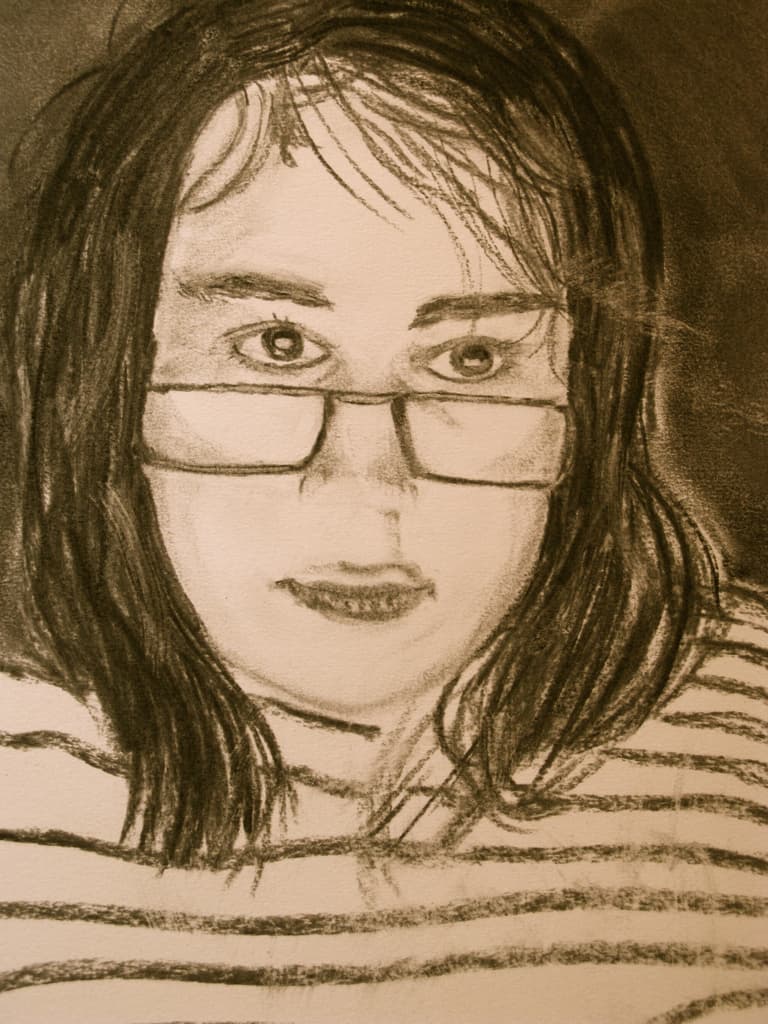
Buttons McTavish/Amy for JKPP | Vine Charcoal on paper | Flickr View original
Is this image relevant?
Carbon - Wikipedia View original
Is this image relevant?
Charcoal - Wikipedia View original
Is this image relevant?
Buttons McTavish/Amy for JKPP | Vine Charcoal on paper | Flickr View original
Is this image relevant?
Vine vs Compressed Charcoal
Vine charcoal is made from burned willow or grape vines. It's soft, lightweight, and produces light to medium tones. Because it sits loosely on the paper surface, it smudges easily and erases cleanly. That makes it perfect for initial sketches, gesture drawings, and blocking in compositions you plan to refine later.
Compressed charcoal is powdered charcoal mixed with a gum binder, then pressed into sticks. It comes in various hardness grades and produces much darker, more intense marks than vine charcoal. It's harder to erase and less prone to accidental smudging, so it works well for detailed work and laying down rich darks.
Think of vine charcoal as your planning tool and compressed charcoal as your commitment tool. Vine is forgiving; compressed is bold.
Charcoal Pencils
Charcoal pencils are compressed charcoal encased in wood or a paper wrapper. They come in soft, medium, and hard grades:
- Soft pencils lay down darker, richer tones
- Medium pencils offer a good balance for general drawing
- Hard pencils produce lighter, more controlled lines for fine detail
The pencil format gives you much more precision than loose charcoal sticks, making these ideal for detailed work, sharp edges, and controlled linework.
Powdered Charcoal
Powdered charcoal is a loose, fine powder you apply with brushes, blending stumps, or cloths. It's great for smooth, seamless shading and soft atmospheric effects. You can also mix it with water to create wash-like effects similar to ink or watercolor.
Charcoal Sticks
Charcoal sticks are thicker, chunkier pieces of compressed charcoal available in round, square, or rectangular shapes. They cover large areas quickly and produce bold, expressive marks. Sharpen a corner for more precise lines, or use the broad side for wide gestural strokes. They're a go-to for life drawing and large-scale work.
Charcoal Drawing Techniques
Charcoal's range comes from how you apply and manipulate it. These core techniques will show up constantly in your work.
Blending
Blending smooths the transitions between different tones, creating soft gradations. You can blend with:
- Fingers for quick, broad blending
- Paper stumps (tortillons) for more controlled, targeted areas
- Tissues or chamois cloths for large, even areas
Blending builds a sense of volume and three-dimensionality. Just be careful not to over-blend everything into a flat, muddy gray.
Lifting
Lifting means removing charcoal from the paper to create lighter areas. A kneaded eraser is the most common tool for this. You can press, dab, or roll it across the surface to pull up charcoal without damaging the paper. Masking tape and putty erasers also work. Lifting is how you create highlights and recover light tones after you've laid down charcoal.
Erasing
Erasing overlaps with lifting, but different erasers give you different results:
- Kneaded erasers lift charcoal gently and can be shaped to a point for precision
- Vinyl erasers remove charcoal more aggressively, creating sharper, cleaner marks
- Gum erasers are softer and less likely to damage the paper surface
Erasing isn't just for fixing mistakes. You can use it as a drawing tool to carve out highlights, textures, and negative space.
Hatching and Cross-Hatching
Hatching uses parallel lines to build tone. Closer lines create darker values; wider spacing reads as lighter. Cross-hatching adds a second (or third) layer of lines at a different angle, creating a mesh-like pattern that darkens the area further.
These techniques give you visible, energetic mark-making that's distinct from smooth blending. They're especially useful for building shadows and suggesting form and texture.
Subtractive Drawing
Subtractive drawing flips the usual process. Instead of adding dark marks to white paper, you start by covering the paper with a dark layer of charcoal, then erase or lift charcoal away to reveal lighter tones and highlights.
This technique is particularly effective for subjects with dramatic lighting, since you're essentially "drawing with light." Erasers, paper stumps, and even cloth can all serve as your drawing tools.

Fixatives for Charcoal
Charcoal sits on the paper surface rather than soaking in, which means it smudges easily. Fixatives are sprays that bind charcoal particles to the paper, protecting your work.
Workable vs Permanent Fixatives
- Workable fixatives provide a light hold that lets you keep drawing on top. They're useful between layers when you want to lock in what you have so far without sealing the drawing completely.
- Permanent fixatives create a stronger, more durable seal. Use these as a final step on finished work to protect against smudging and fading.
Applying Fixatives
- Work in a well-ventilated area, ideally outdoors or in a spray booth.
- Hold the can about 12-18 inches from the drawing surface.
- Spray in light, even passes across the surface. Don't concentrate the spray in one spot.
- Let each coat dry completely before applying another or continuing to draw.
Avoid over-saturating the surface. Too much fixative can darken your charcoal values or leave an unwanted glossy sheen.
Surfaces for Charcoal Drawing
The paper you choose changes how charcoal behaves. The key property to understand is tooth, which refers to the texture or grain of the paper surface. More tooth means the paper grips more charcoal.
Textured vs Smooth Paper
Textured paper (cold-pressed or rough) has a pronounced tooth that catches charcoal particles. This creates a more tactile, gritty quality and works well for bold, expressive marks and rich tonal buildup.
Smooth paper (hot-pressed or plate finish) has a fine, even surface. It's better for detailed, precise work and smooth gradations, but it holds less charcoal overall, so your darkest values won't be as deep.
Toned Paper
Toned paper comes in colors like gray, tan, or beige and gives you a built-in mid-tone. This means you can work in two directions: add dark charcoal for shadows and white charcoal or chalk for highlights. It speeds up the drawing process and creates a cohesive, atmospheric look from the start.
Other Surfaces
Charcoal also works on canvas, wood panels, sandpaper, and fabric. Each surface interacts with charcoal differently. Sandpaper, for instance, grabs charcoal aggressively and produces very rich darks. Experimenting with unconventional surfaces can lead to unexpected textures and effects.
Charcoal and Value
Value is the lightness or darkness of a tone. It's one of the most important elements in drawing because it creates the illusion of form, depth, and light. Charcoal excels at value work because it can produce everything from the faintest whisper of gray to deep, velvety blacks.
Creating a Value Scale
A value scale is a strip of tones progressing from white to black, typically in 5-10 steps. Building one is a fundamental exercise:
- Draw a row of equal boxes (aim for 7-10).
- Leave the first box white and fill the last box as dark as you can.
- Fill in the middle boxes with evenly spaced gradations between the two extremes.
- Focus on making each step visually distinct and the transitions consistent.
This trains your eye to see and control subtle tonal differences.
Achieving a Full Range of Values
Convincing charcoal drawings use the full value spectrum. A common beginner mistake is staying in the middle range and avoiding both the lightest lights and the darkest darks. To push your range:
- Start with light, even layers and build up gradually
- Layer and blend to deepen your darks
- Use lifting and erasing to recover your lightest tones
- Don't be afraid to push your darkest areas. Real contrast gives drawings life.

High Contrast vs Low Contrast
High contrast drawings feature strong differences between light and dark values. They feel bold, dramatic, and graphic. Low contrast drawings use a narrower range of values, creating a softer, more atmospheric mood.
Neither is better. The choice depends on your subject, the lighting you're depicting, and the feeling you want to convey.
Combining Charcoal with Other Media
Charcoal pairs well with other drawing and painting materials, opening up mixed media possibilities.
Charcoal and Graphite
Charcoal and graphite have very different surface qualities. Charcoal is matte and velvety; graphite is smoother and slightly reflective. Combining them creates an interesting visual contrast. A common approach is to use graphite for fine details or precise outlines and charcoal for broad shading and expressive marks. Be aware that graphite's waxy surface can resist charcoal layered on top, so plan your layering order carefully.
Charcoal and White Chalk or Pastel
White chalk or pastel paired with charcoal is a classic combination, especially on toned paper. The white creates highlights and bright accents while charcoal handles the mid-tones and shadows. Use white media sparingly so it reads as a highlight rather than competing with the charcoal for attention.
Mixed Media Approaches
Charcoal can also be combined with wet media like ink, watercolor, or acrylic:
- Try laying down a watercolor wash first, then drawing with charcoal on top once it's dry
- Use ink for sharp, permanent lines alongside charcoal's softer tones
- Masking fluid or tape can preserve areas of the paper when applying wet media
Experimenting with the order of application (wet first vs. dry first) produces very different results.
Caring for Charcoal Drawings
Charcoal is fragile on the surface. Without proper care, drawings can smudge, fade, or transfer onto other surfaces.
Preventing Smudging
- Apply fixative spray to seal finished drawings (or between working sessions)
- Avoid touching the drawing surface directly
- While working, rest your hand on a spare sheet of paper or use a mahl stick to keep your hand off the surface
Storing and Preserving Drawings
- Store drawings flat in a portfolio or drawer
- Place acid-free tissue paper or glassine sheets between drawings to prevent charcoal from transferring
- Keep drawings away from direct sunlight, high humidity, and temperature extremes
- For display, frame with archival-quality materials and UV-protective glass to prevent fading
Styles of Charcoal Drawing
Charcoal supports a wide range of artistic approaches. Exploring different styles helps you find what resonates with your own creative goals.
Gestural and Expressive
Gestural drawings capture movement, energy, and the overall essence of a subject using quick, loose marks. Detail takes a back seat to rhythm and flow. This style is common in life drawing sessions and figure studies, where poses may last only 30 seconds to a few minutes.
Detailed and Realistic
Realistic charcoal drawing aims for lifelike accuracy through careful observation, precise shading, and attention to subtle tonal shifts. Portraiture, still life, and landscape work often call for this approach. It requires patience and a strong understanding of value and form.
Abstract and Experimental
Abstract charcoal work moves away from representation and explores mark-making, composition, and concept. Techniques might include scraping, layering with other media, or using unconventional tools. This style encourages risk-taking and personal expression.
See Fiveable more often in Google
Mark Fiveable as a preferred source and Google is more likely to show you our guides in Top Stories, with a "preferred" badge in AI Mode and AI Overviews.