8.4 Symbolism and Allusion in Poetry

📓Intro to Creative Writing Unit 8 Review
8.4 Symbolism and Allusion in Poetry
📓 Intro to Creative Writing
Symbolism
Symbolism is when a poet uses a concrete thing (an object, a color, a setting) to represent something abstract like love, death, or freedom. The symbol carries meaning beyond its literal presence in the poem. A raven isn't just a bird; a locked door isn't just a door. The poet chooses these images deliberately to communicate on a deeper level.

Top images from around the web for Types of Symbolism
Universalismo - Wikiquote View original
Is this image relevant?
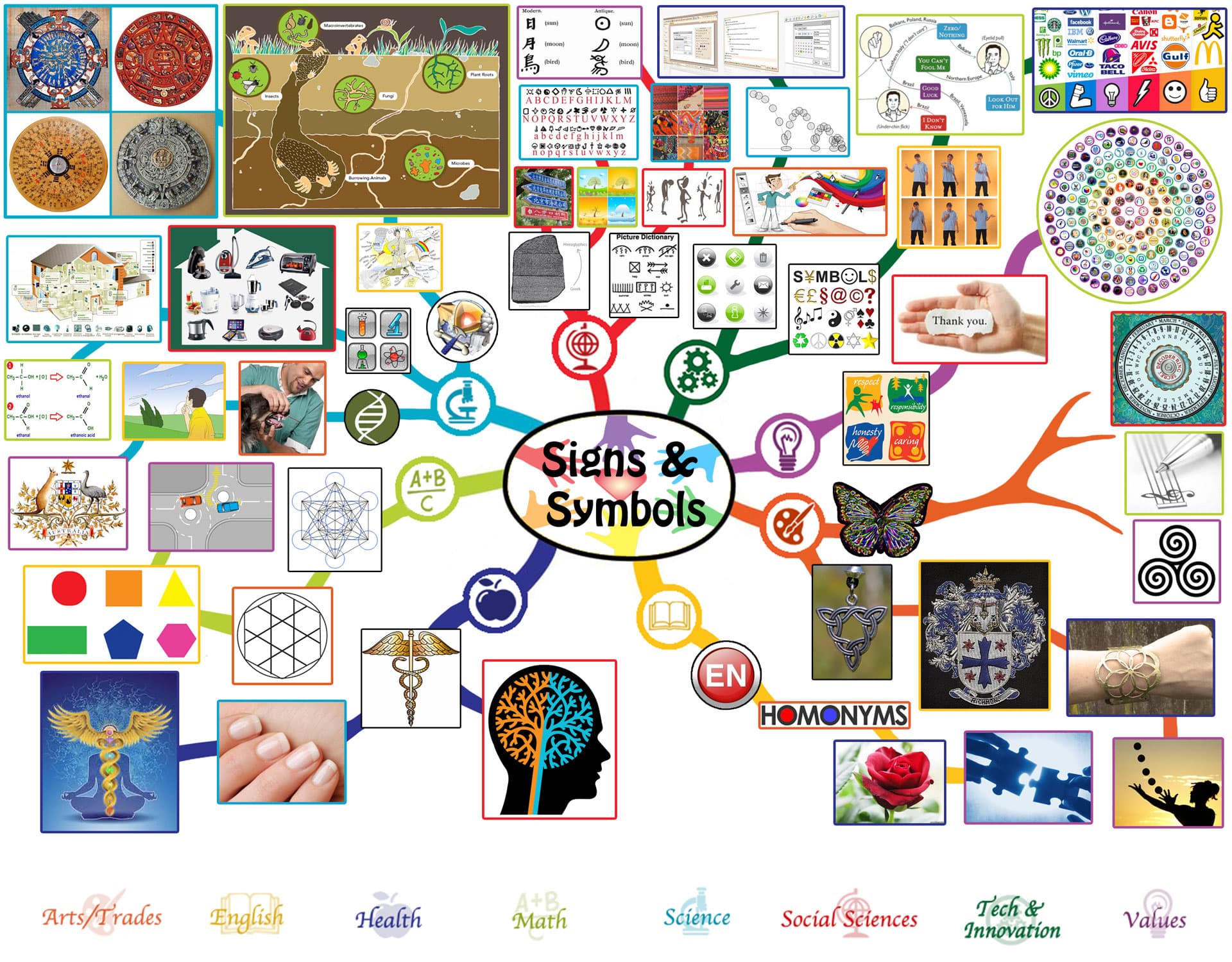
Signs and Symbols Lesson Plan: Free-shared Education | Education for Life View original
Is this image relevant?
Reading: Analyzing Symbols | Art Appreciation View original
Is this image relevant?
Universalismo - Wikiquote View original
Is this image relevant?
Signs and Symbols Lesson Plan: Free-shared Education | Education for Life View original
Is this image relevant?
Types of Symbolism
Universal symbols are recognized across many cultures and time periods. Darkness tends to suggest fear or the unknown. Water often represents change or purification. A journey usually stands for personal growth. These symbols work because most readers already carry those associations.
Personal symbols are unique to a specific poet's life, beliefs, or body of work. Sylvia Plath, for example, repeatedly used bees and beekeeping as symbols tied to her own family history and sense of identity. Personal symbols may not be obvious on a first read, but they gain clarity as you study the poet's other work or biography.
Using Symbolism in Poetry
A few things make symbols effective:
- Repetition matters. A symbol that appears once might slip past the reader. When a poet returns to the same image throughout a poem, it accumulates weight and significance.
- Context shapes meaning. A rose in one poem might symbolize love; in another, its thorns might symbolize hidden pain. Pay attention to how the poet frames the symbol.
- Show, don't tell. The best symbols work because the poet never explains them outright. Instead of writing "she felt trapped," a poet might describe a bird beating its wings against a window. The reader feels the meaning rather than being told it.
When you write your own poems, pick symbols that feel genuine to the emotion or theme you're exploring. Avoid clichés (a heart for love, a clock for time) unless you can find a fresh angle on them.

Allusion
An allusion is a brief reference to something outside the poem: a person, place, event, or another work of art. Unlike a symbol, which builds meaning within the poem, an allusion borrows meaning from outside it. The poet trusts that the reader will recognize the reference and bring that knowledge into the reading.
Types of Allusions
- Literary allusions reference other written works. A poet who describes a character "wandering like Odysseus" is pulling in all the associations of Homer's epic: long struggle, homesickness, perseverance.
- Mythological and biblical allusions draw on stories that have shaped cultures for centuries. Referencing the Garden of Eden evokes innocence and temptation. Comparing someone's task to Sisyphus rolling his boulder uphill suggests endless, futile effort.
- Historical allusions reference real events or figures. A poem mentioning "the march from Selma" immediately calls up the Civil Rights Movement and everything it represents.
- Cultural allusions reference music, film, art, or pop culture. These can make a poem feel contemporary, though they risk becoming dated if the reference fades from public memory.

What Makes an Allusion Effective
Allusions work best when they're brief and well-integrated. The poet doesn't stop to explain the reference; it's woven into the poem's own language. If you have to pause and deliver a history lesson, the allusion is doing too much work.
A strong allusion also does something a plain statement can't. Saying "she faced an impossible choice" is fine. But writing "she stood at her own crossroads, Frost's yellow wood stretching in every direction" compresses an entire philosophy about choices and regret into a single image. That's the power of allusion: it lets you say more with less.
One thing to keep in mind as a writer: your allusion only works if your intended audience is likely to recognize it. A reference to Greek mythology will land with most readers. A reference to an obscure 18th-century pamphlet probably won't, unless you're writing for a very specific audience.
Intertextuality
Intertextuality is a broader concept than allusion. It describes the way texts talk to each other. When a poem alludes to another work, that's one form of intertextuality. But intertextuality also includes retellings, parodies, and responses to earlier texts.
A modern poet might retell the myth of Persephone from Persephone's own point of view, challenging the original story's assumptions. Or a poet might borrow the structure of a Shakespeare sonnet but fill it with contemporary language to create tension between old form and new content.
What makes intertextuality useful for your own writing is that it invites dialogue. You're not just referencing another work; you're responding to it. You might honor it, argue with it, or twist it into something new. That conversation between texts is where fresh meaning gets created.
Symbolism vs. Allusion vs. Intertextuality
These three concepts overlap, so it helps to see them side by side:
| Device | What it does | Where meaning comes from |
|---|---|---|
| Symbolism | Uses a concrete image to represent an abstract idea | Built within the poem through context and repetition |
| Allusion | Makes a brief reference to an outside source | Borrowed from the reader's existing knowledge |
| Intertextuality | Engages in a sustained conversation with another text | Created in the relationship between the two texts |
A poem can use all three at once. You might write a retelling of a myth (intertextuality), reference a historical event along the way (allusion), and thread a recurring image of fire throughout (symbolism). They're separate tools, but they work well together.
See Fiveable more often in Google
Mark Fiveable as a preferred source and Google is more likely to show you our guides in Top Stories, with a "preferred" badge in AI Mode and AI Overviews.