8.3 Extended Metaphors and Allegory

📓Intro to Creative Writing Unit 8 Review
8.3 Extended Metaphors and Allegory
📓 Intro to Creative Writing
Extended Metaphors

Top images from around the web for Comparing Two Dissimilar Things
Tuesday Poem: The Swan by John Hollander View original
Is this image relevant?
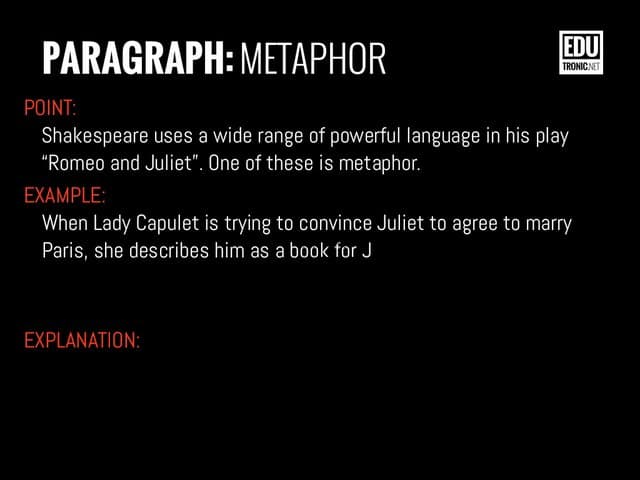
Year 8 English - Presentation exploring metaphor in Shakespeare's Romeo and Juliet on Vimeo View original
Is this image relevant?
Pencil Metaphor for OER View original
Is this image relevant?
Tuesday Poem: The Swan by John Hollander View original
Is this image relevant?
Year 8 English - Presentation exploring metaphor in Shakespeare's Romeo and Juliet on Vimeo View original
Is this image relevant?
Comparing Two Dissimilar Things
A regular metaphor makes a quick comparison: "life is a stage." An extended metaphor stretches that comparison across multiple lines or even an entire poem, developing it in detail as it goes. Because the comparison is sustained, it becomes central to the poem's meaning rather than just a passing image.
- A sustained comparison maintains the metaphorical connection throughout a significant portion of the poem, weaving it into the structure and theme
- A conceit is a specific type of extended metaphor that makes a surprising or unlikely comparison between two very different things. The metaphysical poets were famous for this: John Donne compared two lovers' souls to the two legs of a drafting compass in "A Valediction: Forbidding Mourning"
- Extended metaphors are especially useful for thematic development. By returning to the same comparison again and again, a poet can explore an idea from multiple angles within a single poem

Enhancing Meaning and Imagery
Extended metaphors do more than decorate a poem. They shape how readers experience it.
- Because the comparison is sustained, the poet can explore multiple aspects of it, revealing new insights with each line. Think of Shakespeare's Sonnet 73, where the speaker compares his aging to autumn, then twilight, then a dying fire. Each variation deepens the emotional weight.
- Sustained metaphors make abstract concepts more concrete and relatable. Comparing love to a journey, for instance, lets a poet talk about obstacles, destinations, wrong turns, and traveling companions without ever naming the emotion directly.
- This layering adds complexity and encourages readers to think critically about the relationship between the two compared elements, not just accept the comparison at face value.
When you're writing your own extended metaphor, pick a comparison that has enough depth to sustain. "Anger is a flame" can extend naturally into fuel, smoke, spreading, and ash. "Anger is a color" is harder to develop across multiple lines. The richer the source of your comparison, the more material you'll have to work with.

Allegory
Symbolic Representation
An allegory is a work where characters, events, and settings all stand in for abstract ideas, principles, or moral qualities. The surface-level story is complete on its own, but it also conveys a deeper, symbolic meaning underneath.
Where an extended metaphor compares two things within a poem, an allegory builds an entire narrative around the comparison. Every major element maps onto something else.
- Symbolic representation lets a writer explore complex ideas or critiques in a way that's more accessible and engaging than stating them outright
- Allegories often personify abstract concepts, giving them human characteristics or actions. In medieval morality plays, for example, characters named "Everyman" or "Good Deeds" walk around and have conversations, turning abstract moral lessons into drama you can watch unfold.
Types and Examples
Allegories show up across genres and time periods. Here are the main types you should know:
- Narrative allegory tells a story where characters and events symbolize deeper meanings. George Orwell's Animal Farm is a classic example: the animals on the farm represent specific political figures and ideologies from the Russian Revolution. Napoleon the pig stands in for Stalin, Snowball for Trotsky, and so on.
- Religious allegory uses characters and stories to represent spiritual or moral concepts. John Bunyan's The Pilgrim's Progress follows a character literally named Christian on a journey through places like the Slough of Despond and Vanity Fair, each representing a spiritual trial on the path toward salvation.
- Political allegory critiques or comments on political systems, leaders, or events through symbolic storytelling. Animal Farm actually fits here too, since it's both a narrative and a political allegory. Aesop's Fables also use animals to represent human traits and behaviors, often making pointed observations about power and morality.
Allegory isn't limited to literature. Sandro Botticelli's painting Primavera uses mythological figures to depict the renewal of spring, and films like The Matrix have been widely read as allegories for awakening to hidden truths about reality.
The key distinction to remember: in an allegory, the symbolic meaning runs through the entire work. If only one image or passage is symbolic, that's a metaphor or a symbol, not an allegory. On a test or in workshop, this is the difference that matters most. Ask yourself: does the symbolic meaning extend across the whole piece, or just a moment? That's how you tell them apart.
See Fiveable more often in Google
Mark Fiveable as a preferred source and Google is more likely to show you our guides in Top Stories, with a "preferred" badge in AI Mode and AI Overviews.