1.3 Developing Writing Habits and Overcoming Writer's Block

📓Intro to Creative Writing Unit 1 Review
1.3 Developing Writing Habits and Overcoming Writer's Block
📓 Intro to Creative Writing
Establishing a Writing Routine

Top images from around the web for Developing a Consistent Writing Practice
Set Goals to Move Ahead – University 101: Study, Strategize and Succeed View original
Is this image relevant?
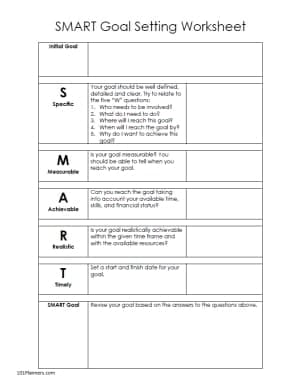
Free printable goal tracker | Many options and designs View original
Is this image relevant?
Set Goals to Move Ahead – University 101: Study, Strategize and Succeed View original
Is this image relevant?
Free printable goal tracker | Many options and designs View original
Is this image relevant?
Developing a Consistent Writing Practice
The single most important thing you can do as a beginning writer is show up regularly. Talent matters less than consistency, and waiting for inspiration is a trap. Writing is a skill, and like any skill, it develops through practice.
Start by setting aside a dedicated block of time each day, even if it's just 15 or 20 minutes. Treat this time as non-negotiable, the same way you'd treat a class or a shift at work. The goal isn't to produce something brilliant every session. The goal is to build the habit.
A few strategies that help:
- Use focused time blocks. The Pomodoro Technique works well here: write for 25 minutes, take a 5-minute break, repeat. Short bursts keep your focus sharp and make a long project feel less overwhelming.
- Set SMART goals. SMART stands for Specific, Measurable, Achievable, Relevant, and Time-bound. "Write more" is vague. "Write 300 words of my short story draft by Thursday" gives you something concrete to aim for.
- Track your progress. Keep a simple log of your word count or time spent writing. Seeing your consistency (or gaps) on paper helps you stay accountable and notice patterns in when you write best.
Optimizing the Writing Environment
Where and how you write matters more than you might expect. A good writing environment reduces friction so you can focus on the actual writing.
- Designate a writing space. It doesn't need to be fancy. A corner of your desk, a spot at the library, a particular table at a coffee shop. What matters is that your brain starts to associate that space with writing.
- Experiment with tools. Some people think more clearly with pen and paper. Others need a laptop. Some find dictation software frees them up. Try different options early on and notice what feels most natural.
- Cut distractions. Silence your phone notifications. Use a website blocker if you tend to drift toward social media. Even small interruptions can break your train of thought and cost you more time than you realize.
- Build a pre-writing ritual. Brewing coffee, putting on headphones, rereading your last paragraph. A short, repeatable routine signals to your brain that it's time to shift into writing mode.
Overcoming Common Challenges
Dealing with Writer's Block and Procrastination
Writer's block isn't some mysterious affliction. Most of the time, it comes down to one of a few things: you're afraid of writing something bad, you're stuck on a decision in the piece, or you've lost sight of where the writing is headed. Recognizing which one is tripping you up makes it easier to push through.
Here are techniques that actually work:
- Freewrite. Set a timer for 10 minutes and write without stopping. Don't edit, don't reread, don't worry about quality. The point is to get words flowing again. You can freewrite about your project, about why you're stuck, or about anything at all.
- Break the project into smaller tasks. "Write my essay" feels paralyzing. "Write the opening scene" or "describe the setting" is something you can actually sit down and do. Small tasks build momentum.
- Give yourself permission to write badly. This is worth repeating: your first draft does not need to be good. That's what revision is for. The draft just needs to exist. You can't edit a blank page.
- Set deadlines and use accountability. Tell a friend, a classmate, or a writing partner what you plan to finish and by when. External expectations are surprisingly effective at beating procrastination.

Managing Perfectionism and Maintaining Motivation
Perfectionism is one of the biggest productivity killers in creative writing. It disguises itself as high standards, but what it really does is stop you from finishing anything.
The shift you need to make is from perfect to progress. A finished rough draft is worth infinitely more than a perfect opening paragraph you've rewritten twelve times. Embrace the idea of "good enough for now" and trust that revision will get you the rest of the way.
To keep your motivation steady over time:
- Celebrate small wins. Finished a scene? Hit your word count goal for the week? That counts. Acknowledging progress keeps you moving forward.
- Get feedback. Sharing your work with a trusted reader or writing group gives you perspective you can't get on your own. It also reminds you that writing is communication, not just self-expression.
- Revisit your reasons. When motivation dips, come back to why you started writing in the first place. What story do you want to tell? What drew you to this project?
Maintaining Productivity and Well-being
Strategies for Accountability and Progress
Writing can feel isolating, but it doesn't have to be a solo activity. Building a support structure around your writing practice helps you stay consistent and gives you people to learn from.
- Join or form a writing group. Regular meetings where you share work and give feedback create natural deadlines and a sense of community.
- Use organizational tools. Apps like Scrivener, Google Docs, Trello, or even a simple notebook can help you keep track of ideas, outlines, and drafts. Find a system that works for you and stick with it.
- Check in regularly. Whether it's a weekly self-review or a quick message to a writing partner, regular check-ins help you notice when you're drifting off track before you lose too much time.
Prioritizing Self-care and Balance
Writing is mentally and emotionally demanding, especially when you're working on something personal. Burning out doesn't make you a dedicated writer. It just makes it harder to write tomorrow.
- Take breaks during sessions. Step away from your desk, stretch, go for a short walk. Your brain keeps processing in the background, and you'll often come back with a clearer head.
- Do things that aren't writing. Reading, exercising, spending time with people, pursuing other hobbies. These activities feed your creativity rather than draining it. Writers who only write tend to run out of things to say.
- Practice self-compassion. Comparing your early drafts to someone else's published work is unfair to yourself. Every writer you admire has produced pages of terrible writing on the way to something good. Be patient with the process.
See Fiveable more often in Google
Mark Fiveable as a preferred source and Google is more likely to show you our guides in Top Stories, with a "preferred" badge in AI Mode and AI Overviews.