12.3 Blending Factual Information with Literary Techniques

📓Intro to Creative Writing Unit 12 Review
12.3 Blending Factual Information with Literary Techniques
📓 Intro to Creative Writing
Creative nonfiction sits at the intersection of journalism and storytelling. Writers in this genre take real events, real people, and verified facts, then shape them using the same techniques fiction writers rely on: scene-building, dialogue, metaphor, and narrative structure. The challenge is making a true story read like literature without sacrificing accuracy.
This section covers how that blending works, from the genre's origins to the specific literary tools you can use in your own creative nonfiction.
Genres and Accuracy

Top images from around the web for Creative Nonfiction and Literary Journalism
Truman Capote - Wikiquote View original
Is this image relevant?
Truman Capote - Wikipedia View original
Is this image relevant?
Truman Capote – Vikipedija View original
Is this image relevant?
Truman Capote - Wikiquote View original
Is this image relevant?
Truman Capote - Wikipedia View original
Is this image relevant?
Creative Nonfiction and Literary Journalism
Creative nonfiction is any writing that uses literary techniques to tell factually accurate stories about real events, people, and places. It's a broad umbrella that includes personal essays, memoirs, travel writing, and literary journalism.
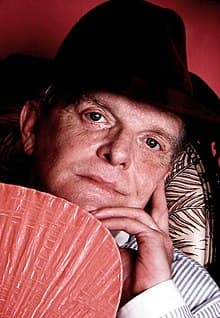
Literary journalism is a more specific form. It combines in-depth reporting (interviews, research, immersion) with the storytelling craft of a novelist. The movement traces back to the 1960s "New Journalism," when writers like Tom Wolfe, Truman Capote, and Joan Didion started applying novelistic techniques to reported stories. Capote's In Cold Blood (1966) is a landmark example: he spent years researching a real quadruple murder in Kansas, then wrote it with the pacing and tension of a thriller.
The key distinction from standard journalism is how the story is told, not whether it's true. Both forms demand truth. Creative nonfiction just uses a wider set of tools to deliver it.
Factual Accuracy in Creative Nonfiction
Accuracy isn't optional in this genre. Every claim, scene, and detail needs to be truthful and verifiable. That means:
- Research thoroughly. Use interviews, documents, public records, and firsthand observation to build your factual foundation.
- Fact-check everything. Dates, names, locations, quotes, and statistics all need to be confirmed before publication.
- Don't fabricate or embellish. You can select which details to highlight and how to frame them, but you can't invent scenes that didn't happen or put words in someone's mouth.
Ethical problems arise when writers blur the line between fact and fiction without telling the reader. James Frey's memoir A Million Little Pieces is a well-known cautionary tale: after it was revealed that he had fabricated major events, the book's credibility collapsed and it was reclassified from memoir to fiction by its publisher. Your reader is trusting that what you've written actually happened. Breaking that trust undermines the entire genre.
Narrative Elements

Narrative Techniques in Creative Nonfiction
Even though the events are real, you still need to shape them into a story that holds a reader's attention. That means thinking about the same structural elements you'd use in fiction:
- Plot and conflict. Identify the central tension driving your piece. What's at stake? What does the subject want, and what stands in the way? Even a quiet personal essay benefits from some form of tension, whether it's external conflict or an internal question the writer is working through.
- Timeline structure. You don't have to tell events in chronological order. Flashbacks, flash-forwards, or thematic organization can create suspense or highlight connections that a straight timeline would bury. For example, you might open with the most dramatic moment, then loop back to show how things got there.
- Point of view. First person works well for personal essays and memoirs, where your own experience is the subject. Third person is more common in literary journalism, where you're reporting on someone else's story. Your choice of POV shapes how much access the reader has to characters' inner lives. In third person, you're generally limited to what you can observe or what sources tell you, while first person lets you explore your own thoughts freely.
Scene-Setting and Character Development
Strong creative nonfiction reads like you're there. That comes from building scenes rather than just summarizing events.
Scene-setting means grounding the reader in a specific time and place. Instead of writing "The protest was chaotic," you'd describe the chanting echoing off concrete buildings, the smell of tear gas, the helicopter circling overhead. You're using sensory details and atmospheric elements (weather, lighting, time of day) to put the reader inside the moment.
The difference between a scene and a summary is worth remembering:
- Summary compresses time: "They argued for an hour about the budget."
- Scene expands a moment: You'd show the argument unfolding in real time, with dialogue, body language, and specific details about the room.
Both have their place. Scenes are best for your most important moments. Summary helps you move between them without dragging.
Character development brings real people to life on the page. This goes beyond physical description. Show how a person moves, what they say when they're nervous, what contradictions define them. Provide enough background for the reader to understand why this person matters to the story. A well-drawn character makes the reader care about what happens next, which is just as important in nonfiction as in fiction.
Dialogue in Nonfiction
Dialogue is one of the most powerful tools you have. A well-placed quote can reveal personality, expose conflict, or shift the tone of a piece in ways that summary never could.
But nonfiction dialogue comes with a strict rule: you can only quote what was actually said. That means reconstructing conversations from interviews, recordings, notes, or clear personal memory. You can't invent dialogue for dramatic effect.
A few practical guidelines:
- Capture voice. Pay attention to how people actually talk: their word choices, rhythms, and verbal habits. A teenager and a retired professor shouldn't sound the same on the page.
- Be selective. You don't need to transcribe entire conversations. Pull the lines that reveal something important about the speaker or the situation. Most real conversations contain a lot of filler; your job is to find the moments that matter.
- Format clearly. Use quotation marks and paragraph breaks to separate dialogue from narration so the reader always knows who's speaking.
If you can't verify the exact wording of a conversation, paraphrase instead of using direct quotes. That's more honest than guessing at someone's exact words.

Descriptive Language
The Role of Descriptive Language in Creative Nonfiction
Descriptive language is what separates creative nonfiction from a news report. Both convey facts, but creative nonfiction uses carefully chosen words to make those facts felt.
Strong description does several things at once: it sets the mood, establishes atmosphere, and conveys emotion without stating it directly. Instead of telling the reader "the neighborhood was neglected," you might describe peeling paint, a cracked sidewalk with weeds pushing through, and a rusted swing set in an empty lot. The reader draws the conclusion themselves, which makes it stick.
This is the classic "show, don't tell" principle applied to nonfiction. You're still reporting the truth. You're just choosing details that let the reader experience it rather than simply hear about it.
The goal isn't to pile on adjectives. It's to select the right details, the ones that do the most work in a single image.
Metaphor and Simile in Nonfiction
Figurative language helps readers grasp abstract or complex ideas by connecting them to something concrete and familiar.
- A metaphor states that one thing is another: "The city was a furnace that summer, baking tempers along with the pavement."
- A simile uses "like" or "as" to draw the comparison: "The desert stretched out like an endless sea of sand."
Both are useful in creative nonfiction, but use them with care. A fresh, precise metaphor can illuminate something in a single line. A clichéd or mixed metaphor ("He was a loose cannon who kept his cards close to the vest") will distract the reader and weaken your writing. That example mixes two unrelated images, which creates confusion rather than clarity.
A good test: does the comparison help the reader see or understand something more clearly? If it's just decorative, cut it.
Sensory Details in Creative Nonfiction
Sensory details appeal to the five senses: sight, sound, smell, taste, and touch. They're the building blocks of immersive writing.
Compare these two versions:
Summary: "The bakery was pleasant."
With sensory detail: "The aroma of freshly baked bread drifted from the open door, mixing with the clatter of metal trays and the low hum of conversation at the counter."
The second version doesn't just tell you the bakery was pleasant. It puts you inside it. Notice how it engages three senses (smell, sound, sight) in a single sentence.
Sensory details can also trigger emotional responses. "The rough texture of the sandpaper reminded him of his grandfather's workshop" connects a physical sensation to memory and feeling in one line. That kind of layered detail is what makes creative nonfiction compelling.
When drafting, push yourself beyond sight (the sense most writers default to). What did the place sound like? What could you smell? Engaging multiple senses creates a fuller, more believable scene. Try this as a revision exercise: go through a draft and highlight every sensory detail, then note which senses you've used. If everything is visual, look for places to add sound, texture, or smell.
See Fiveable more often in Google
Mark Fiveable as a preferred source and Google is more likely to show you our guides in Top Stories, with a "preferred" badge in AI Mode and AI Overviews.