2.3 Character Arcs and Growth

📓Intro to Creative Writing Unit 2 Review
2.3 Character Arcs and Growth
📓 Intro to Creative Writing
Character Types

Top images from around the web for Static and Dynamic Characters
Conflict - All The Tropes View original
Is this image relevant?
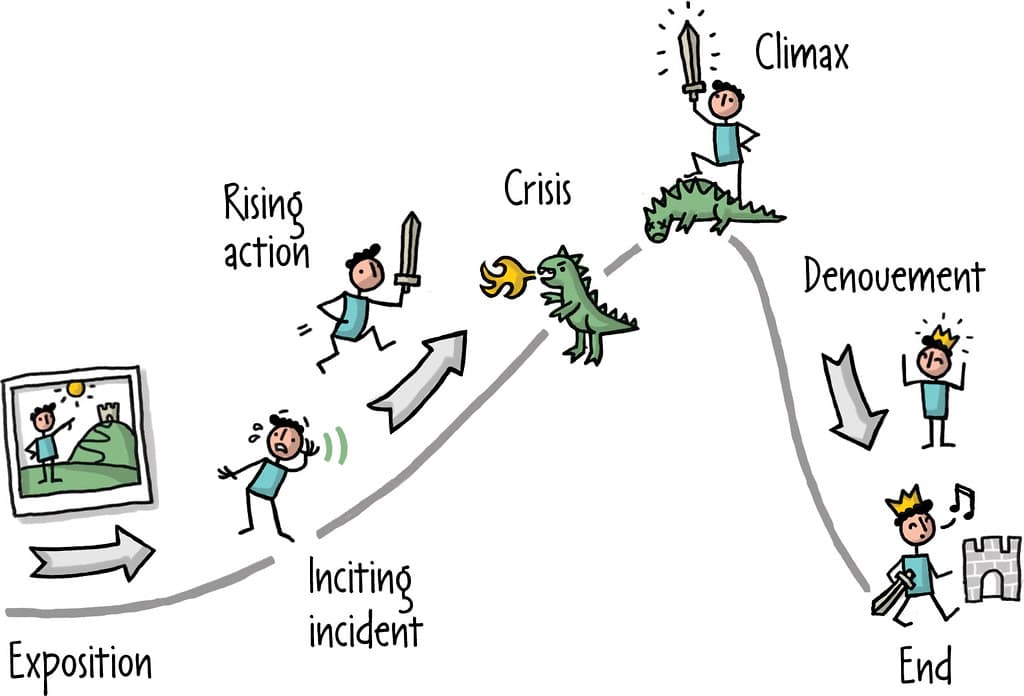
UJ005: Figure 2.3 | Plot points on a story arc. The User's J… | Flickr View original
Is this image relevant?
Story arcs beyond TV [Thinking] View original
Is this image relevant?
Conflict - All The Tropes View original
Is this image relevant?
UJ005: Figure 2.3 | Plot points on a story arc. The User's J… | Flickr View original
Is this image relevant?
Static and Dynamic Characters
The difference between static and dynamic characters is one of the most fundamental distinctions in fiction. A dynamic character undergoes significant internal change over the course of a story. An static character stays more or less the same from beginning to end.
That doesn't mean static characters are badly written. Sherlock Holmes barely changes across dozens of stories, but he's one of the most compelling characters in English literature. Static characters often serve as anchors or foils, giving readers a stable reference point that highlights how much a dynamic character has shifted.
Dynamic characters are the ones who drive most stories forward. Think of Ebenezer Scrooge in A Christmas Carol, who transforms from a bitter miser into a generous man, or Elizabeth Bennet in Pride and Prejudice, who gradually sheds her snap judgments about others. These characters change because the events of the story force them to confront something about themselves.
When you're writing, ask yourself: Does this character need to change for the story to work? Not every character should be dynamic. But your protagonist usually needs some kind of internal shift to make the story feel complete.
Character Arcs
![Static and Dynamic Characters, Story arcs beyond TV [Thinking]](https://storage.googleapis.com/static.prod.fiveable.me/search-images%2F%22Static_vs_dynamic_characters_in_literature_character_arcs_emotional_growth_examples_like_Sherlock_Holmes_Scrooge%22-Story-Arc-Diagram-w-Subplots.gif)
The Journey of Transformation
A character arc is the internal journey a character takes from the beginning of a story to the end. It tracks how they change emotionally, psychologically, or morally in response to what happens in the plot.
A well-crafted arc typically follows four stages:
- Setup — Establish who the character is at the start, including their flaws, desires, and worldview.
- Conflict — Put the character under pressure. Challenges and obstacles force them to question their assumptions or confront weaknesses.
- Turning point — A key moment where the character makes a critical choice or reaches a new understanding. This is where the arc pivots.
- Resolution — The character emerges changed (or, in a tragedy, broken). Their final actions reflect what they've gained or lost.
Luke Skywalker in Star Wars is a classic example: he starts as a restless farm kid (setup), faces escalating danger and loss (conflict), chooses to trust the Force during the Death Star battle (turning point), and becomes a hero of the Rebellion (resolution).
Types of Character Arcs
Not all arcs move in the same direction. There are three main types:
- Positive arc — The character overcomes internal struggles and grows into a better version of themselves. Neville Longbottom in the Harry Potter series starts as a timid, self-doubting kid and gradually becomes someone brave enough to stand up to Voldemort's forces.
- Negative arc — The character deteriorates, making choices that lead to moral decline or destruction. Walter White in Breaking Bad begins as a sympathetic teacher and ends as a ruthless drug lord. Each decision pulls him further from who he was.
- Flat arc — The character doesn't change much internally, but their steadfast beliefs or values cause change in the people and world around them. Atticus Finch in To Kill a Mockingbird holds firm to his principles throughout the novel, and it's the people around him (especially Scout) who are transformed.
When planning your own stories, choosing the type of arc first can help you figure out what kind of pressure your character needs to face and where the story should end up.

Character Growth
Emotional Development and Epiphanies
Character growth is what makes an arc feel real on the page. It's the accumulation of small emotional shifts, not just a single dramatic moment.
Characters grow when they're forced to confront things they'd rather avoid: fears, flaws, false beliefs, painful truths. Each conflict chips away at the character's starting worldview until they can't hold onto it anymore.
An epiphany is a sudden moment of clarity or realization that marks a major turning point in that process. In Adventures of Huckleberry Finn, Huck has been taught his whole life that helping an enslaved person escape is a sin. When he decides, "All right, then, I'll go to hell," and chooses to help Jim anyway, that's an epiphany. It's the moment where everything the character has experienced crystallizes into a new understanding.
Not every story needs a dramatic epiphany, but the best character growth feels earned. The reader should be able to trace a clear line from the pressures the character faced to the change they undergo.
Lessons Learned and Resolution
As characters move through their arcs, they tend to learn something, whether it's about themselves, other people, or how the world works. These lessons often connect directly to the story's themes.
- In To Kill a Mockingbird, Scout learns to see the world through other people's eyes, reinforcing the novel's themes of empathy and prejudice.
- In The Lord of the Rings, Frodo's decision to leave Middle-earth reflects the cost of his journey: some experiences change you so deeply that you can't simply go back to your old life.
A satisfying resolution ties the character's internal journey to the plot's conclusion. The character's final actions should demonstrate their growth (or decline). If a character has spent the whole story learning to trust others, the climax should put that trust to the test.
One common mistake in early drafts: telling the reader a character has changed without showing it through their choices. Growth needs to be visible in what the character does, not just what they think or say. If your character has learned courage, show them acting bravely when it matters most.
See Fiveable more often in Google
Mark Fiveable as a preferred source and Google is more likely to show you our guides in Top Stories, with a "preferred" badge in AI Mode and AI Overviews.