14.1 Principles of Constructive Feedback

📓Intro to Creative Writing Unit 14 Review
14.1 Principles of Constructive Feedback
📓 Intro to Creative Writing
Principles of Constructive Feedback
Constructive feedback is the engine of any writing workshop. It's how rough drafts become polished pieces and how writers develop sharper instincts. But giving useful feedback is a skill in itself, and doing it well means being specific, balanced, and empathetic.
This section covers what makes feedback effective and how to deliver it in a way that actually helps your peers grow.

Top images from around the web for Providing Constructive Criticism
Life of an Educator - Dr. Justin Tarte: How well do you take constructive criticism? View original
Is this image relevant?
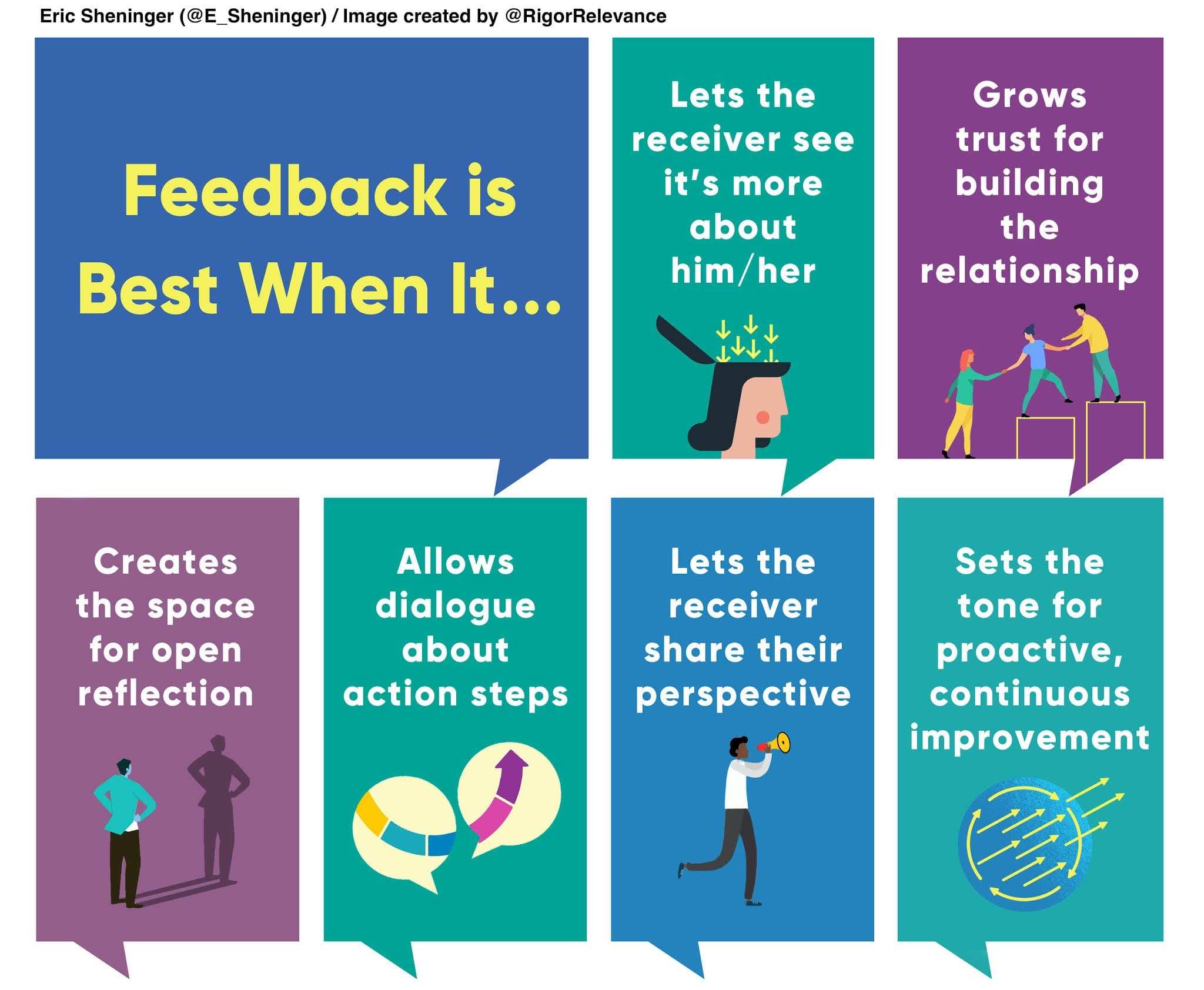
A Principal's Reflections: Using Feedback to Create a Culture of Excellence View original
Is this image relevant?
A Principal's Reflections: Feedback vs Criticism View original
Is this image relevant?
Life of an Educator - Dr. Justin Tarte: How well do you take constructive criticism? View original
Is this image relevant?
A Principal's Reflections: Using Feedback to Create a Culture of Excellence View original
Is this image relevant?
Principles of Effective Feedback
Providing Constructive Criticism
Constructive criticism is different from just pointing out what's wrong. The goal is to identify areas for improvement and offer concrete suggestions for how to address them. A comment like "this doesn't work" gives the writer nothing to act on. A comment like "the shift in point of view on page two pulled me out of the story" tells them exactly where the problem is and why it matters.
Good constructive criticism:
- Focuses on the writing, not the writer
- Gives the recipient a clear sense of what to revise and how
- Opens up a dialogue rather than shutting one down

Being Specific and Objective
Vague feedback is one of the most common problems in peer critique. "The ending felt off" is a starting point, but "the final paragraph introduces a new conflict that doesn't connect to the rest of the story" is far more useful.
Specificity means pointing to concrete moments in the text. Instead of "your dialogue is good," try "the argument scene between the two sisters on page four feels authentic because each character has a distinct voice."
Objectivity means grounding your comments in what's actually on the page rather than personal taste. You can note that a metaphor feels unclear without saying the writer made a bad choice. Stick to observable elements: structure, pacing, word choice, consistency of tone. This keeps your feedback credible and fair.
Balancing Positive and Negative Feedback
Feedback that's all criticism can feel like an attack, and feedback that's all praise doesn't help anyone improve. Balanced feedback does both: it names what's working and what needs attention.
- Highlighting strengths reinforces good instincts. If a writer nails their opening hook, tell them so they keep doing it.
- Pairing criticism with recognition keeps the writer motivated and open to hearing the harder stuff.
- A balanced assessment gives a more accurate picture of where the draft stands overall.
The point isn't to sugarcoat problems. It's to give the writer a complete, honest read of their work.

Offering Actionable Suggestions for Improvement
The most helpful feedback doesn't just diagnose a problem; it suggests a path forward. If a story's middle section drags, you might suggest cutting a scene that repeats information, or recommend reordering events to build tension more steadily.
Actionable suggestions should be:
- Specific enough to act on. "Try breaking this long paragraph into shorter ones to speed up the pacing" is actionable. "Make it better" is not.
- Framed as options, not commands. You're offering possibilities, not rewriting their piece for them. Phrases like "you might try..." or "one option would be..." keep the writer in control.
- Focused on the most impactful changes. Prioritize the two or three things that would make the biggest difference rather than flagging every small issue.
This kind of feedback empowers the writer to take ownership of their revision process.
Delivering Feedback with Empathy
Demonstrating Empathy and Understanding
Sharing your writing is vulnerable. Receiving criticism on something you've worked hard on can sting, even when the feedback is thoughtful. Keeping that in mind as a reviewer changes how you deliver your comments.
Empathy in feedback means:
- Considering how your words will land before you say or write them
- Acknowledging the effort behind the draft, even when significant revision is needed
- Adjusting your tone and approach based on the situation (a first draft deserves different feedback than a near-final revision)
When writers feel respected, they're far more likely to engage with your suggestions rather than shut down.
Using the Sandwich Method and Non-Judgmental Language
The sandwich method is a common feedback structure: start with something positive, deliver your constructive criticism in the middle, and close with another strength. For example, you might praise a story's vivid setting, suggest that the dialogue in the second scene needs more distinct character voices, and then note that the closing image is memorable.
This structure works because it keeps the writer receptive. It's not about hiding criticism; it's about framing it within an honest, complete response.
Non-judgmental language is equally important. Describe what you observe rather than labeling the work. Compare these two approaches:
Judgmental: "This paragraph is poorly written."
Non-judgmental: "This paragraph felt unclear to me. I wasn't sure if the narrator was describing a memory or something happening in real time."
The second version says the same thing but gives the writer something to work with instead of something to feel bad about. Small shifts in phrasing make a real difference in how feedback is received and used.
See Fiveable more often in Google
Mark Fiveable as a preferred source and Google is more likely to show you our guides in Top Stories, with a "preferred" badge in AI Mode and AI Overviews.