10.3 Research Techniques for Creative Nonfiction

📓Intro to Creative Writing Unit 10 Review
10.3 Research Techniques for Creative Nonfiction
📓 Intro to Creative Writing
Primary Research Techniques

Top images from around the web for Gathering Firsthand Information
Getting Started - Guide to Primary Sources - Research Guides at Lone Star College – University ... View original
Is this image relevant?
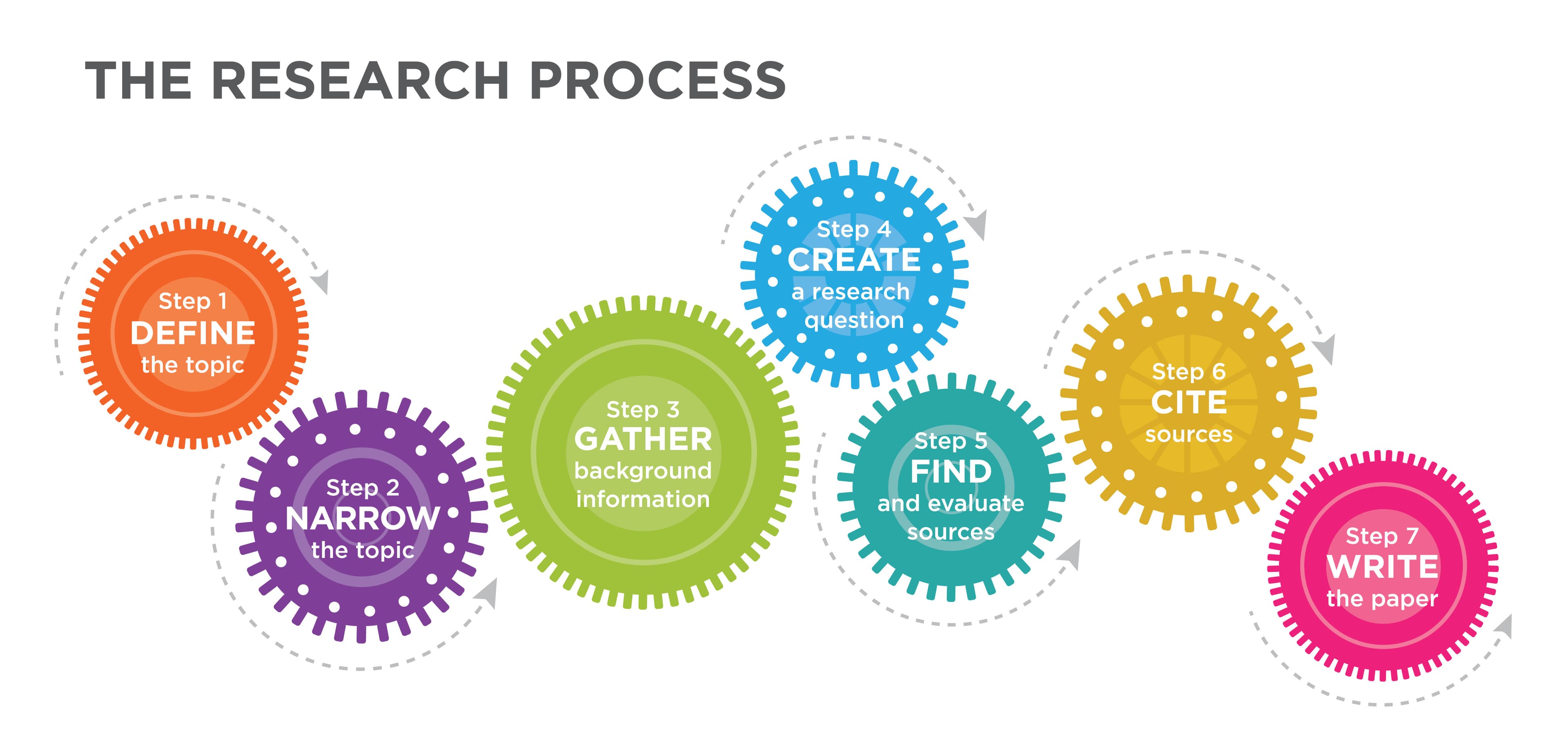
Finding Sources | Basic Reading and Writing View original
Is this image relevant?
Frontiers | Reflections on an International Research Immersion Field Study as a High Impact ... View original
Is this image relevant?
Getting Started - Guide to Primary Sources - Research Guides at Lone Star College – University ... View original
Is this image relevant?
Finding Sources | Basic Reading and Writing View original
Is this image relevant?
Gathering Firsthand Information
Primary research means going out and collecting information yourself, rather than relying on what others have already written. This is where creative nonfiction gets its energy and authenticity.
Primary sources are direct, firsthand evidence about a topic or event: letters, diaries, photographs, artifacts, court records, or personal correspondence. These materials haven't been filtered through someone else's interpretation, which makes them incredibly valuable for building original narratives.
Interviews are one of the most common primary research tools. You're asking questions directly of people who have knowledge or experience related to your topic. A few things to keep in mind:
- Interviews can happen in person, over the phone, by video call, or through written correspondence
- Preparation matters. Go in with a list of questions, but stay flexible enough to follow unexpected threads
- Practice active listening. Sometimes the most revealing detail comes from a throwaway comment, not a planned question
- Always follow up. If someone mentions something intriguing but moves on, circle back to it
Immersion research takes things further. Here, you actively participate in the subject matter to gain a more intimate understanding. This might mean attending events, joining a group, spending time in a particular community, or working a job related to your topic. Joan Didion spent time with hippie communities in Haight-Ashbury to write Slouching Towards Bethlehem. The goal is to experience your subject rather than just hear about it.
Observational Skills for Detailed Descriptions
Strong observation is what separates flat reporting from vivid creative nonfiction. You're not just noting what happened; you're capturing the texture of a moment.
- Use all five senses: sight, sound, smell, touch, taste. Most beginning writers lean heavily on visual details and forget the rest. The smell of a hospital hallway or the sound of a crowd thinning out after a rally can carry more emotional weight than a physical description.
- Pay attention to body language, facial expressions, and environmental factors like lighting, temperature, and atmosphere.
- Take notes in the moment whenever possible. Memory is unreliable, and specific details fade fast.
These observations are what bring your subject to life on the page. A reader can't be there, so your job is to make them feel like they are.

Secondary Research Techniques
Utilizing Existing Information Sources
Secondary research means working with information that someone else has already gathered, interpreted, or analyzed. Think books, journal articles, newspaper reports, documentaries, and published data sets.
This type of research serves several purposes:
- It builds your background knowledge so you understand the broader context of your topic before you start writing
- It provides historical context, expert analysis, and data that would be impossible to gather on your own
- It helps you identify gaps in existing coverage, which is often where the most interesting stories live
Not all secondary sources are equally trustworthy. Evaluate each source for credibility (Who wrote it? What are their qualifications?), recency (Is the information current?), and relevance (Does it actually connect to your specific angle?).
Archival research is a specialized form of secondary research that involves exploring historical documents, records, and artifacts stored in libraries, museums, or online databases. Archives can give you access to rare or unique materials, like old census records, personal letters, or organizational meeting minutes, that add depth and authenticity to a story. Navigating archives sometimes requires help from archivists, so don't hesitate to ask. That's what they're there for.

Verification and Documentation
Ensuring Accuracy and Credibility
Creative nonfiction has "nonfiction" right there in the name. If your facts are wrong, your credibility collapses, and so does the reader's trust.
Fact-checking means verifying every claim, statistic, date, and quote in your piece. Here's a practical approach:
- Cross-reference key facts against at least two independent, reliable sources
- Contact experts or witnesses directly when possible to confirm details
- Be especially careful with sensitive or controversial topics, where errors can cause real harm
- Question your own assumptions. If something seems too perfect or too dramatic, double-check it
Note-taking and documentation keep your research organized and protect you from accidental plagiarism. Whatever system you use (handwritten notes, typed documents, audio recordings, photos of materials), make sure you record:
- The full source information (author, title, publication, date)
- Page numbers or timestamps for specific details
- Whether something is a direct quote, a paraphrase, or your own observation
Good documentation habits feel tedious in the moment, but they save enormous time when you're drafting and revising. You don't want to be scrambling to figure out where a key detail came from when your piece is nearly finished.
See Fiveable more often in Google
Mark Fiveable as a preferred source and Google is more likely to show you our guides in Top Stories, with a "preferred" badge in AI Mode and AI Overviews.