13.2 Common Writing Pitfalls and How to Avoid Them

📓Intro to Creative Writing Unit 13 Review
13.2 Common Writing Pitfalls and How to Avoid Them
📓 Intro to Creative Writing
Ineffective Writing Techniques
Every writer falls into patterns that weaken their work. The good news: most of these pitfalls follow predictable patterns, which means you can learn to spot and fix them during revision. This section covers the most common ones you'll encounter in your own drafts.
Weak Sentence Structure
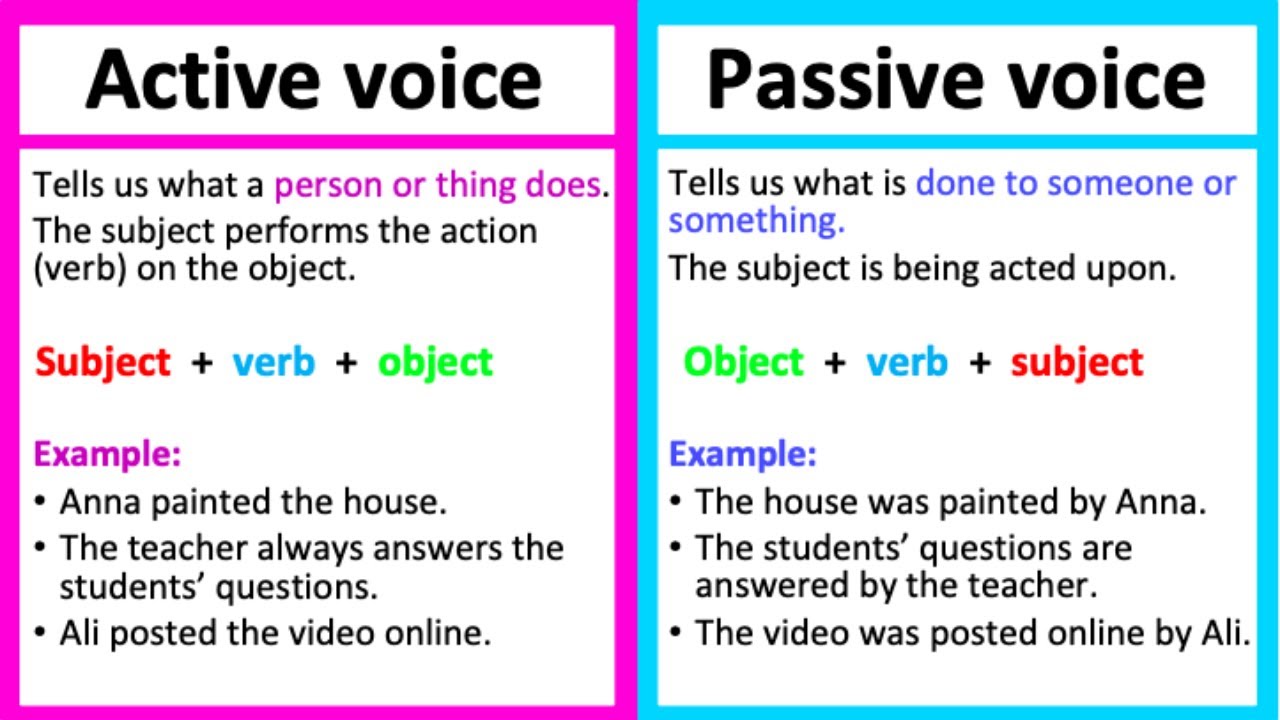
Passive voice flips the natural order of a sentence by placing the object before the subject. This makes your writing feel indirect and often hides who's actually doing the action.
- Passive: The ball was thrown by the boy.
- Active: The boy threw the ball.
Passive voice isn't always wrong (sometimes you genuinely don't know who performed the action), but defaulting to it drains energy from your prose. During revision, search for "was" and "were" followed by a past participle as a quick way to catch passive constructions.
Weak verbs are vague, all-purpose words like went, did, was, got, and made. They technically communicate meaning, but they don't paint a picture. Compare She went down the hallway with She crept down the hallway. The second version tells you something about the character's mood and movement in a single word.
Adverb overuse often signals that a stronger verb exists. If you write He ran quickly, the adverb is doing work the verb should handle on its own. He sprinted is tighter and more vivid. Not every adverb needs to go, but if you find yourself stacking them, look for a more precise verb first.
Telling words state emotions or judgments outright instead of letting the reader experience them. He was angry is flat. It gives the reader a label rather than an experience. The fix connects directly to the "show, don't tell" principle covered below.

Stylistic Pitfalls
Overwriting means using more words than the idea requires. Sentences become bloated and hard to follow. A good revision test: read each sentence and ask whether you can cut a word without losing meaning. If you can, cut it.
Clichés are phrases so overused they've lost their punch. Expressions like time heals all wounds or every cloud has a silver lining were vivid once, but readers glide right past them now. When you catch a cliché in your draft, ask yourself what you actually mean, then find a fresher way to say it.
Redundancy repeats information the reader already has. Sometimes it's obvious, like red in color (what else would "red" describe?). Other times it's subtler, like restating a character's motivation in narration right after they've expressed it through dialogue. Trust your reader to get it the first time.
Purple prose is writing so heavily decorated that it calls attention to itself instead of serving the story. Compare:
Her eyes were glistening orbs of emerald green, shimmering with unshed tears.
Her green eyes shone with tears she wouldn't let fall.
The second version still conveys emotion and visual detail, but it doesn't make the reader stop and notice the writing itself. If your description sounds like it's trying to win a poetry contest in the middle of a scene, scale it back.
Narrative Inconsistencies
Show, don't tell is one of the most repeated pieces of writing advice for a reason. Telling states a fact: She was upset. Showing lets the reader witness it: She slammed the door and threw herself onto the bed, burying her face in the pillow. The second version engages the reader's senses and lets them draw their own conclusion about the character's emotional state.
That said, not everything needs to be shown. Minor transitions and low-stakes moments can be told efficiently. The goal is to show the moments that matter most.
Inconsistent point of view happens when you accidentally slip into a different character's thoughts or shift between first, second, and third person without signaling the change. If you're writing from one character's perspective and suddenly reveal what another character is thinking, that's an unintentional POV shift. It disorients the reader because they lose track of whose head they're in.
- Unintentional shifts often happen mid-paragraph when you get caught up in a scene
- Intentional POV shifts are fine, but signal them clearly with a scene break or new chapter
Tense shifts occur when you drift between past and present tense without meaning to. A story that starts in past tense (She walked to the door) and suddenly switches to present (She opens it slowly) creates a jarring bump for the reader. Pick a tense and stick with it. During revision, read paragraphs aloud to catch places where the tense wanders.
Info dumping is dropping a large block of background information into the story all at once, often through long narration or a character conveniently explaining things another character (and the reader) "needs to know." Instead, weave exposition into the story gradually. Let details emerge through dialogue, action, and small observations spread across scenes. If a character's backstory takes up a full page of unbroken narration, that's a sign to break it up and distribute it.
See Fiveable more often in Google
Mark Fiveable as a preferred source and Google is more likely to show you our guides in Top Stories, with a "preferred" badge in AI Mode and AI Overviews.