2.4 Developing Secondary Characters

📓Intro to Creative Writing Unit 2 Review
2.4 Developing Secondary Characters
📓 Intro to Creative Writing
Character Types
Secondary characters bring depth and richness to your story. They support the protagonist, create contrast, and add complexity to the narrative. From sidekicks to mentors, these characters play crucial roles in advancing the plot and revealing who your main character really is.
The key question with any secondary character is: what job does this character do in the story? Once you know that, you can decide how much depth they need.

Top images from around the web for Supporting Roles
Telling the Coaches Story | The Common Ratio View original
Is this image relevant?
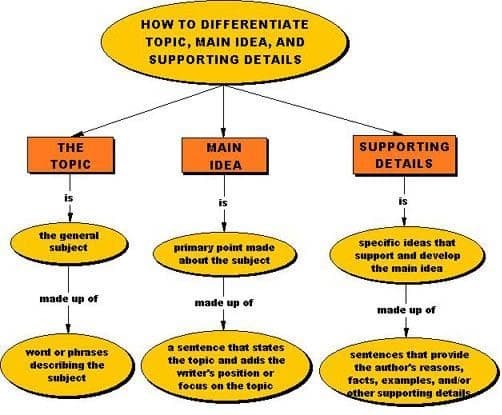
Paragraph Development: Supporting Claims | English Composition 1 View original
Is this image relevant?
Mentor – Wikipedia View original
Is this image relevant?
Telling the Coaches Story | The Common Ratio View original
Is this image relevant?
Paragraph Development: Supporting Claims | English Composition 1 View original
Is this image relevant?
Supporting Roles
Not every secondary character serves the same function. Here are the most common types:
- Supporting characters help advance the plot or develop the main character. They don't need to be complex, but they do need a clear reason to exist in the story.
- Foil characters contrast with the protagonist, highlighting qualities through opposition or comparison. Dr. Watson's straightforward, grounded personality makes Sherlock Holmes's brilliance (and eccentricity) stand out more sharply.
- Sidekick characters are loyal companions who assist the protagonist on their journey. Ron Weasley works as a sidekick because he brings warmth and humor that balance Harry Potter's heavier burdens.
- Mentor characters guide and teach the protagonist, offering wisdom, skills, or resources. Gandalf doesn't just give Frodo advice; he sets the quest in motion and shapes how Frodo understands his own role in it.
These categories aren't rigid. A single character can shift roles as the story progresses, or fill more than one role at once.

Depth and Complexity
Flat characters are one-dimensional. They have one or two defining traits and don't change over the course of the story. Think of a stereotypical bully who exists only to create obstacles. Flat characters aren't automatically bad writing; sometimes a minor character just needs to serve a quick function and move on.
Round characters are complex and multi-dimensional, with layered motivations and the capacity for growth. Elizabeth Bennet in Pride and Prejudice is a round character because her views, judgments, and self-awareness shift meaningfully throughout the novel.
The decision to make a secondary character flat or round depends on how much weight they carry in your story. A shopkeeper who appears in one scene can stay flat. A best friend who appears in every chapter probably needs more dimension. The mistake to avoid is giving every secondary character the same level of development, which can crowd out your protagonist and dilute the reader's focus.

Character Development
Interactions and Relationships
The fastest way to develop a secondary character is through their interactions with other characters. You don't need a long backstory paragraph; you can reveal personality through:
- Dialogue that shows how they speak, what they care about, and how they relate to others. A character who constantly interrupts tells you something different than one who chooses words carefully.
- Actions and reactions during key moments, especially under pressure. How a character behaves when things go wrong reveals far more than any description of their personality.
- Conflict with the protagonist or with other secondary characters, which creates tension and reveals what each person values.
Relationships between secondary characters and the protagonist can also drive the main character's growth. A mentor who withholds information forces the protagonist to become more resourceful. A friend who disagrees with the protagonist's choices forces them to question their own reasoning. In both cases, the secondary character is doing double duty: they're interesting on their own and they're pushing the protagonist to change.
World-Building and Subplots
Secondary characters are one of your best tools for world-building. Each one can represent a different slice of your story's setting, culture, or society. The sprawling cast in Game of Thrones works because each character is rooted in a specific place, faction, or set of values, making the world feel larger than any single plotline.
Subplots involving secondary characters add depth when they connect to the main plot thematically. A subplot that parallels the main conflict reinforces your story's central questions. A subplot that contrasts with it offers a different perspective on the same themes.
A few practical tips for secondary character subplots:
- Give the character their own goal, even a small one. Characters without goals feel like props.
- Use the subplot to vary your story's pacing. A lighter subplot can offer relief after an intense main-plot scene.
- Don't let subplots drift too far from the main story. If a secondary character's storyline stops connecting to the protagonist or the central conflict, it'll feel like a detour.
- Resolve the subplot. Even a brief wrap-up is better than leaving it hanging. Unresolved secondary storylines make a story feel unfinished.
See Fiveable more often in Google
Mark Fiveable as a preferred source and Google is more likely to show you our guides in Top Stories, with a "preferred" badge in AI Mode and AI Overviews.