2.2 Character Motivation and Conflict

📓Intro to Creative Writing Unit 2 Review
2.2 Character Motivation and Conflict
📓 Intro to Creative Writing
Types of Conflict

Top images from around the web for Internal Struggles and Dilemmas
Internal And External Conflicts Worksheet - Short Story Study Guide View original
Is this image relevant?
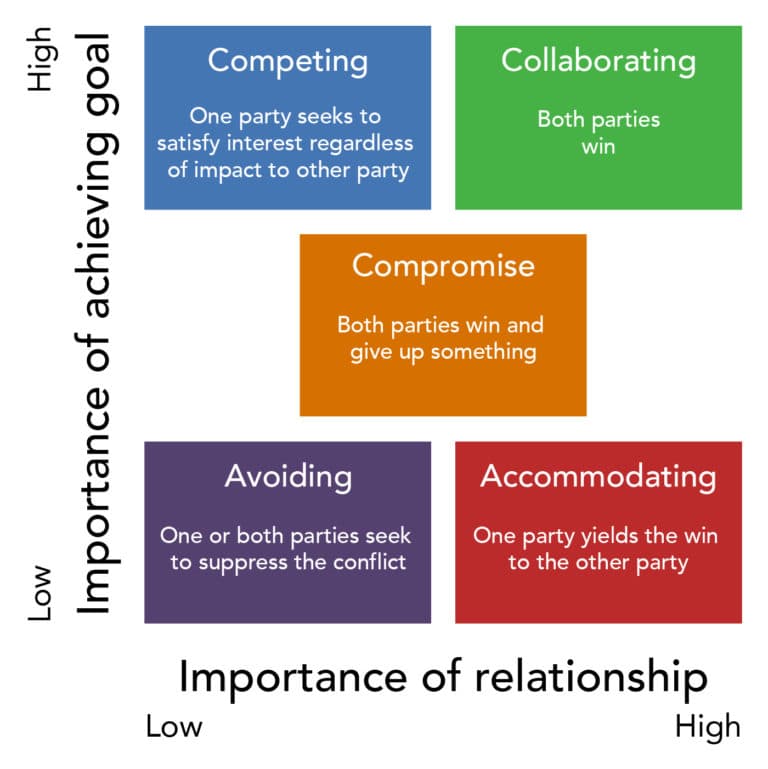
Conflict Management Styles | Organizational Behavior and Human Relations View original
Is this image relevant?
Moral Development | Introduction to Psychology View original
Is this image relevant?
Internal And External Conflicts Worksheet - Short Story Study Guide View original
Is this image relevant?
Conflict Management Styles | Organizational Behavior and Human Relations View original
Is this image relevant?
Internal Struggles and Dilemmas
Internal conflict happens inside a character's mind. It's the tension between competing thoughts, beliefs, or emotions that forces a character to wrestle with themselves before they can act.
A character might be torn between love and duty, or between doing what's right and doing what's easy. These dilemmas don't have clean answers, which is what makes them compelling to read. Internal conflicts often grow out of a character's past experiences, traumas, or personal flaws. A character haunted by a betrayal years ago might struggle to trust anyone new, even when trust is exactly what the story demands of them.
These struggles matter because they reveal who a character really is beneath the surface. A character's actions during external conflict show what they can do; their internal conflict shows what it costs them.
External Challenges and Adversaries
External conflict pits a character against forces outside themselves. This could be another character, a society's rules, or the natural world.
The most recognizable form is the antagonist: a rival, enemy, or authority figure whose goals directly oppose the protagonist's. But external conflict goes well beyond villain-versus-hero. It includes:
- Physical confrontations like battles, chases, or escapes
- Social conflicts like arguments, power struggles, or public humiliation
- Environmental challenges like storms, wilderness survival, or resource scarcity
External conflicts test what a character is capable of. They force resourcefulness, reveal hidden strengths, and expose weaknesses the character may not have known about.
Building Tension and Suspense
Tension is the feeling of uncertainty that keeps a reader turning pages. Without it, even the most interesting characters feel flat.
Writers build tension by introducing conflicts, raising the stakes, and deliberately withholding resolution. A few specific techniques:
- Pacing choices like cliffhangers at chapter ends or well-timed plot twists
- Atmosphere through ominous settings or unsettling sensory details
- Character dynamics like secrets one character keeps from another, or misunderstandings that spiral
The key is that tension comes from the gap between what a character wants and what's actually happening. The wider that gap, and the longer it stays open, the more suspense you create.

Character Motivation
Driving Goals and Ambitions
A character's goal is the concrete objective driving their actions throughout the story. It's the answer to the question: What does this character want?
Goals can be external (winning a competition, solving a mystery, escaping a dangerous place) or internal (finding self-acceptance, proving their worth, overcoming a fear). The strongest characters often pursue both types at once. A detective solving a murder case (external goal) might also be trying to prove they're not the failure their family thinks they are (internal goal).
Well-defined goals give your character direction and give your reader a reason to care. When two characters have goals that directly clash, conflict emerges naturally without you having to force it.
Underlying Desires and Needs
Desires run deeper than goals. A goal is what a character says they want; a desire is what they actually need, often without realizing it.
For example, a character's stated goal might be to win a prestigious award. But their underlying desire might be for their parent's approval. That distinction matters because it creates layers. The character might achieve the goal and still feel empty, or they might fail at the goal but fulfill the deeper desire in an unexpected way.
Common underlying desires include love, acceptance, power, freedom, and belonging. When a character's desires conflict with their stated goals, you get rich internal tension. Understanding this layer of motivation helps you write characters readers genuinely empathize with.

Motivation and Decision-Making
Motivation is the why behind a character's actions. It connects their goals and desires to the specific choices they make on the page.
Characters make decisions by weighing outcomes based on what matters most to them. A character who values loyalty above all else will make different choices than one who values ambition. The interesting moments come when motivations collide: a loyal character offered a promotion that requires betraying a friend, for instance.
Here's a practical way to think about it:
- Goal — What does the character want?
- Desire — Why do they want it (the deeper reason)?
- Motivation — What drives them to act on it right now?
- Decision — What do they actually do when forced to choose?
Revealing motivation through action and decision is almost always stronger than stating it outright. Show the character making the hard choice, and the reader will understand the motivation without being told.
Character Development
Overcoming Obstacles and Challenges
Obstacles are whatever stands between a character and their goal. They can be external (a locked door, a powerful antagonist, a ticking clock) or internal (self-doubt, addiction, a deeply held fear).
What matters most isn't the obstacle itself but how the character responds to it. A character who overcomes a barrier through cleverness reveals something different than one who overcomes it through brute stubbornness. Each obstacle is a chance to show the reader who this person is.
Characters can overcome obstacles through their own skills, through allies, or through personal growth. Often the most satisfying stories require all three. The character who could handle everything alone from the start doesn't have much room to change.
Raising Stakes and Consequences
Stakes answer the question: What happens if the character fails? The higher the stakes, the more weight every decision carries.
Stakes don't have to be life-or-death to be effective. Losing a friendship, missing a once-in-a-lifetime opportunity, or being forced to confront a painful truth can feel just as urgent if the reader understands why it matters to this character. The key is making the consequences personal and specific.
As a story progresses, stakes should escalate. Early on, a character might risk embarrassment. By the climax, they might risk everything they've built. This escalation keeps the reader invested and forces the character into increasingly difficult choices, which is where the real development happens.
Character Arc and Transformation
A character arc is the internal journey of change a character undergoes from the beginning of a story to the end. It's the emotional spine of your narrative.
Characters typically start with certain beliefs, flaws, or limitations. Through the conflicts and decisions of the story, those starting points get challenged. By the end, the character has either grown past them or been broken by them.
The three main types of character arcs:
- Positive arc — The character overcomes a flaw or limitation and becomes a better or more complete version of themselves. This is the classic hero's journey structure.
- Negative arc — The character deteriorates, falls to temptation, or descends into darker behavior. Think of a tragedy or a villain origin story.
- Flat (static) arc — The character doesn't change significantly, but their steadfast nature changes the world or people around them.
The most convincing arcs feel earned. If a character transforms, the reader should be able to trace that change back through specific moments of conflict and decision that made it inevitable.
See Fiveable more often in Google
Mark Fiveable as a preferred source and Google is more likely to show you our guides in Top Stories, with a "preferred" badge in AI Mode and AI Overviews.