10.1 Defining Creative Nonfiction and Its Subgenres

📓Intro to Creative Writing Unit 10 Review
10.1 Defining Creative Nonfiction and Its Subgenres
📓 Intro to Creative Writing
Creative nonfiction blends facts with storytelling, using literary techniques to bring true stories to life. It's a genre that bridges journalism and fiction, offering readers engaging narratives rooted in reality.
From memoirs to travel writing, creative nonfiction encompasses various subgenres. Each type has its own focus, but all share a commitment to crafting compelling stories based on real events and experiences.
Defining Creative Nonfiction

Top images from around the web for Characteristics and Techniques
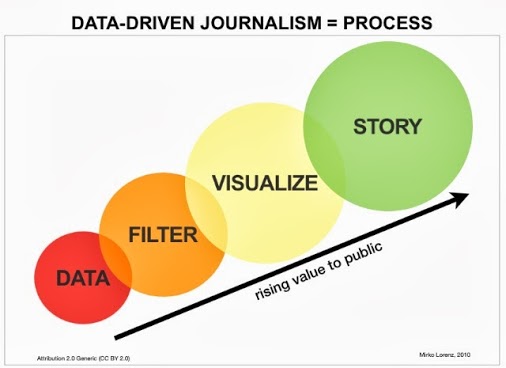
데이터 저널리즘과 인포그래픽 View original
Is this image relevant?

AIT Library OER Index - National Resource Hub View original
Is this image relevant?
데이터 저널리즘과 인포그래픽 View original
Is this image relevant?
AIT Library OER Index - National Resource Hub View original
Is this image relevant?
Characteristics and Techniques
At its core, creative nonfiction combines factual information with literary techniques to create engaging, narrative-driven works. The key word is creative: you're telling true stories, but you're using the same toolkit fiction writers use.
- Narrative nonfiction tells true stories using elements of fiction writing: plot structure, character development, dialogue, and vivid sensory descriptions. Think of it as the broad umbrella term for the genre.
- Literary journalism applies those same storytelling techniques to in-depth, well-researched articles on real events and issues. The reporting is rigorous, but the writing reads more like a novel than a newspaper.
- Immersion journalism takes literary journalism a step further. The writer becomes deeply involved in the story, often by living among the subjects for an extended period. Barbara Ehrenreich's Nickel and Dimed, where she spent months working minimum-wage jobs to report on poverty firsthand, is a classic example.
Relationship to Other Genres
Creative nonfiction occupies a space between journalism and fiction, borrowing elements from both. Understanding where it sits helps you see what makes it distinct.
- It differs from traditional journalism in its use of literary devices and its focus on crafting a compelling narrative, not just delivering information.
- It distinguishes itself from fiction by adhering to facts and real events, even as it employs creative storytelling techniques. You can shape the story, but you can't invent it.
- It overlaps with other nonfiction genres like history, biography, and memoir, but places greater emphasis on the writer's voice and the artistry of the prose. A history textbook and a piece of creative nonfiction might cover the same event, but they'll read very differently.
Personal Writing
Memoir and Personal Essay
These two subgenres draw directly from the writer's own life. The difference comes down to scope and structure.
- Memoir is autobiographical writing that focuses on a specific theme, event, or period in the author's life. It's not a full autobiography covering birth to present. Instead, it zeroes in on something particular: a childhood, a significant relationship, a transformative experience. Joan Didion's The Year of Magical Thinking, about grief after her husband's sudden death, is a well-known example.
- Personal essays explore the writer's thoughts, feelings, and experiences on a particular subject, often connecting the personal to the universal. They tend to be shorter than memoirs and more focused on a single idea or question. James Baldwin's Notes of a Native Son is a landmark collection that moves between personal experience and broader social commentary on race in America.
- Both forms rely heavily on introspection, self-reflection, and the writer's unique voice. What makes them work is honesty and specificity: not just recounting events but examining what those events mean.
Biography and Lyric Essay
These two subgenres might seem like an odd pairing, but they represent opposite ends of the creative nonfiction spectrum: one highly researched and structured, the other experimental and associative.
- Biography chronicles the life of a notable person, incorporating extensive research, interviews, and archival material. The writer's job is to bring the subject to life on the page while staying faithful to the historical record. Edmund Morris's The Rise of Theodore Roosevelt is a classic example.
- Lyric essays combine elements of poetry and prose, using figurative language, fragmentation, and associative logic to explore a theme or experience. They prioritize emotional truth over strict chronology or linear argument. Claudia Rankine's Citizen: An American Lyric blends poetry, essay, and visual art to examine everyday racism, while Jenny Boully's The Body is written entirely in footnotes with the "main text" left blank.
- The takeaway: creative nonfiction is a wide genre. Biography and lyric essay both belong to it, even though they look almost nothing alike on the page.
Topical Writing
Travel Writing and Nature Writing
These subgenres shift the focus outward, toward places and environments rather than the writer's inner life. That said, the best work in both genres still filters the external world through a personal perspective.
- Travel writing chronicles the author's experiences and observations while exploring new places, blending personal reflection with cultural insights and sometimes practical information. Bruce Chatwin's In Patagonia is a touchstone of the genre.
- Nature writing celebrates the beauty and complexity of the natural world, often combining scientific knowledge with poetic descriptions and philosophical reflection. Terry Tempest Williams's Refuge: An Unnatural History of Family and Place weaves together ecology and personal loss.
- The two genres overlap, but their emphasis differs. Travel writing tends to focus on the culture and encounters of a journey (local customs, people, the experience of being a stranger somewhere), while nature writing emphasizes the writer's relationship to the landscape itself, often with an ecological or philosophical dimension.
- Both genres are a good reminder that setting can be just as rich a subject as character. For your own writing, try paying close attention to a specific place and asking what it reveals, whether that's about a culture, an ecosystem, or your own way of seeing.
See Fiveable more often in Google
Mark Fiveable as a preferred source and Google is more likely to show you our guides in Top Stories, with a "preferred" badge in AI Mode and AI Overviews.