5.1 Creating Vivid and Immersive Settings

📓Intro to Creative Writing Unit 5 Review
5.1 Creating Vivid and Immersive Settings
📓 Intro to Creative Writing
Establishing Time and Place
Setting is the foundation that holds your entire story together. It's more than just a backdrop; a well-built setting shapes how characters behave, what choices they make, and how readers feel on every page. Think of it as the world your reader agrees to step into.

Top images from around the web for Defining the Setting
Stained glass window, Hereford Cathedral © Julian P Guffogg :: Geograph Britain and Ireland View original
Is this image relevant?
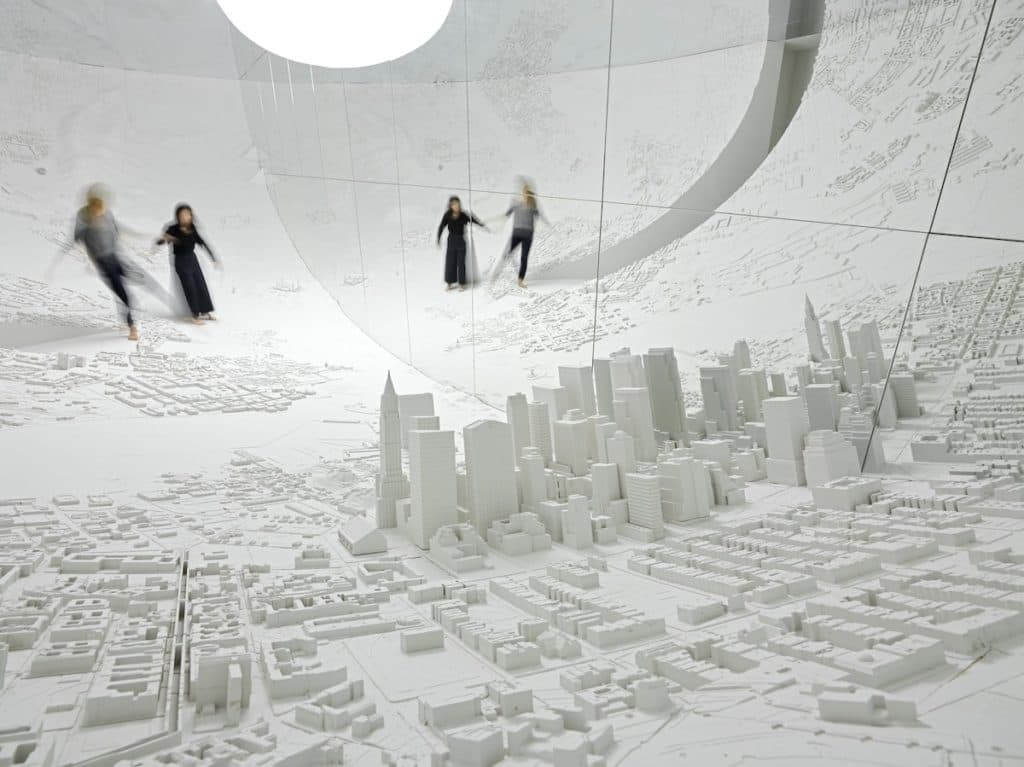
The History of Humanity: An Immersive Art Installation — Blog of the Long Now View original
Is this image relevant?
James Turrell: Immersive Light – Ziyang Zhou View original
Is this image relevant?
Stained glass window, Hereford Cathedral © Julian P Guffogg :: Geograph Britain and Ireland View original
Is this image relevant?
The History of Humanity: An Immersive Art Installation — Blog of the Long Now View original
Is this image relevant?
Defining the Setting
Setting refers to the time and place in which a story occurs. It has several layers, and the strongest settings address most or all of them:
- Time period — historical, contemporary, or futuristic. The era you choose influences everything: your characters' attitudes, values, speech patterns, and daily routines.
- Geographic location — a specific country, region, city, or neighborhood. Grounding the story in a recognizable (or carefully invented) place gives readers something to hold onto.
- Physical environment — landscapes, weather, architecture. These details do double duty: they orient the reader and reflect mood and theme. A desolate wasteland feels very different from a bustling metropolis, even before a single character speaks.
Cultural and Historical Context
Your setting isn't just physical. The social world matters just as much.
- Social norms and customs shape how characters interact. A story set in Victorian England will have different rules of behavior than one set in 1970s New York.
- Historical events and political climate can drive your plot or pressure your characters. A story set during World War II carries built-in tension; one set during the Civil Rights Movement carries built-in moral stakes.
- Economic conditions and class structures affect what your characters can and can't do. The Great Depression limits opportunity in specific, concrete ways. A dystopian society with rigid hierarchies creates a different kind of constraint.
- Period-specific details like technology, fashion, and popular culture make a setting feel authentic. Horse-drawn carriages, flapper dresses, disco music — these small touches signal when your reader is without you having to announce it.
The key here: don't just sprinkle in historical facts for decoration. Choose the cultural details that actually matter to your characters and story.

Crafting Ambiance
Creating Mood and Atmosphere
Mood is the emotional tone your story evokes in the reader — suspense, romance, melancholy, unease. Atmosphere is the overall feeling of a setting, built through your selection of sensory details and descriptive language.
A few reliable tools for building atmosphere:
- Lighting and color. Warm, golden hues suggest nostalgia or comfort. Cool blue tones create distance or sadness. Harsh fluorescent light feels clinical or exposed.
- Weather and natural phenomena. A raging thunderstorm during a tense confrontation amplifies the conflict. A gentle snowfall during a tender reunion softens the emotion. This technique can veer into cliché if overused, so deploy it with intention.
- Selective detail. You don't need to describe everything. The details you choose to include tell the reader how to feel. An eerie, fog-shrouded forest and a cozy, firelit cabin use completely different detail sets to create opposite atmospheres.

Engaging the Senses
Strong settings appeal to more than just sight. Engaging all five senses pulls readers deeper into the world.
- Sight is the default, but make it specific. Don't just say "an old house." Try a dilapidated Victorian mansion with peeling paint and overgrown ivy — now the reader sees something particular.
- Sound adds realism and emotional texture. The distant tolling of church bells creates a very different feeling than the lively chatter of a crowded marketplace.
- Smell is uniquely powerful because it triggers memory and association. The comforting smell of freshly baked bread does different emotional work than the acrid stench of a polluted river.
- Touch makes a setting tangible. The rough texture of tree bark, the smooth cool surface of a marble floor — these details put the reader's body in the scene.
- Taste is used less often, but it can be striking in the right moment (dust on the tongue during a drought, salt spray near the ocean).
A common beginner mistake is relying almost entirely on visual description. Challenge yourself to include at least two non-visual senses in every major setting passage.
Descriptive Techniques
Effective Language and Imagery
Vivid settings come from precise, specific word choices — not from piling on adjectives.
- Choose strong verbs and nouns before reaching for modifiers. "The door groaned open" does more work than "the old door slowly opened."
- Figurative language makes settings memorable. Similes, metaphors, and personification give readers a fresh way to see something: the moon hung like a silver medallion in the inky sky or the wind whispered through the trees.
- Sensory language keeps the reader grounded in experience rather than abstraction: the pungent aroma of spices wafting from the market stalls or the velvety softness of rose petals.
- Symbolism connects setting to theme. A barren landscape can mirror a character's emotional emptiness. A lush garden can represent growth and renewal. The setting becomes part of the story's meaning, not just its container.
Spatial Relationships and Perspective
How you arrange and frame the elements of your setting creates a sense of real, three-dimensional space.
- Spatial relationships between objects and locations add depth. Towering skyscrapers looming over narrow, winding streets gives the reader a physical sense of scale and enclosure.
- Perspective and point of view shape what the reader notices. Describing a room from a child's eye level reveals different details than describing it from an adult's. A bird's-eye view of a sprawling cityscape creates a feeling of distance or omniscience.
- Scale and proportion emphasize what matters. A tiny, ramshackle hut dwarfed by the surrounding ancient forest tells you something about the character's vulnerability before you know anything else about them.
- Movement through space makes settings dynamic rather than static. Show characters climbing a steep, rocky path or weaving through a crowded train station. This keeps your description active and prevents it from reading like a catalog of objects.
The goal with all of these techniques is the same: make the reader forget they're reading. A setting that feels real gives your characters a world worth inhabiting and your readers a world worth visiting.
See Fiveable more often in Google
Mark Fiveable as a preferred source and Google is more likely to show you our guides in Top Stories, with a "preferred" badge in AI Mode and AI Overviews.