8.1 Creating Powerful Imagery in Poetry

📓Intro to Creative Writing Unit 8 Review
8.1 Creating Powerful Imagery in Poetry
📓 Intro to Creative Writing
Poetry comes alive through imagery, the use of sensory details that make readers feel like they're inside the poem. From visual descriptions to sounds, smells, and textures, poets use vivid language to create experiences that stick with readers long after they finish the last line.
The core principle behind strong imagery is "show, don't tell." Instead of stating emotions directly, poets paint pictures with words. This lets readers draw their own conclusions and form a personal connection with the poem's world.
Sensory Imagery

Top images from around the web for Types of Sensory Imagery
Anatomy of Eye - Download Free Vector Art, Stock Graphics & Images View original
Is this image relevant?
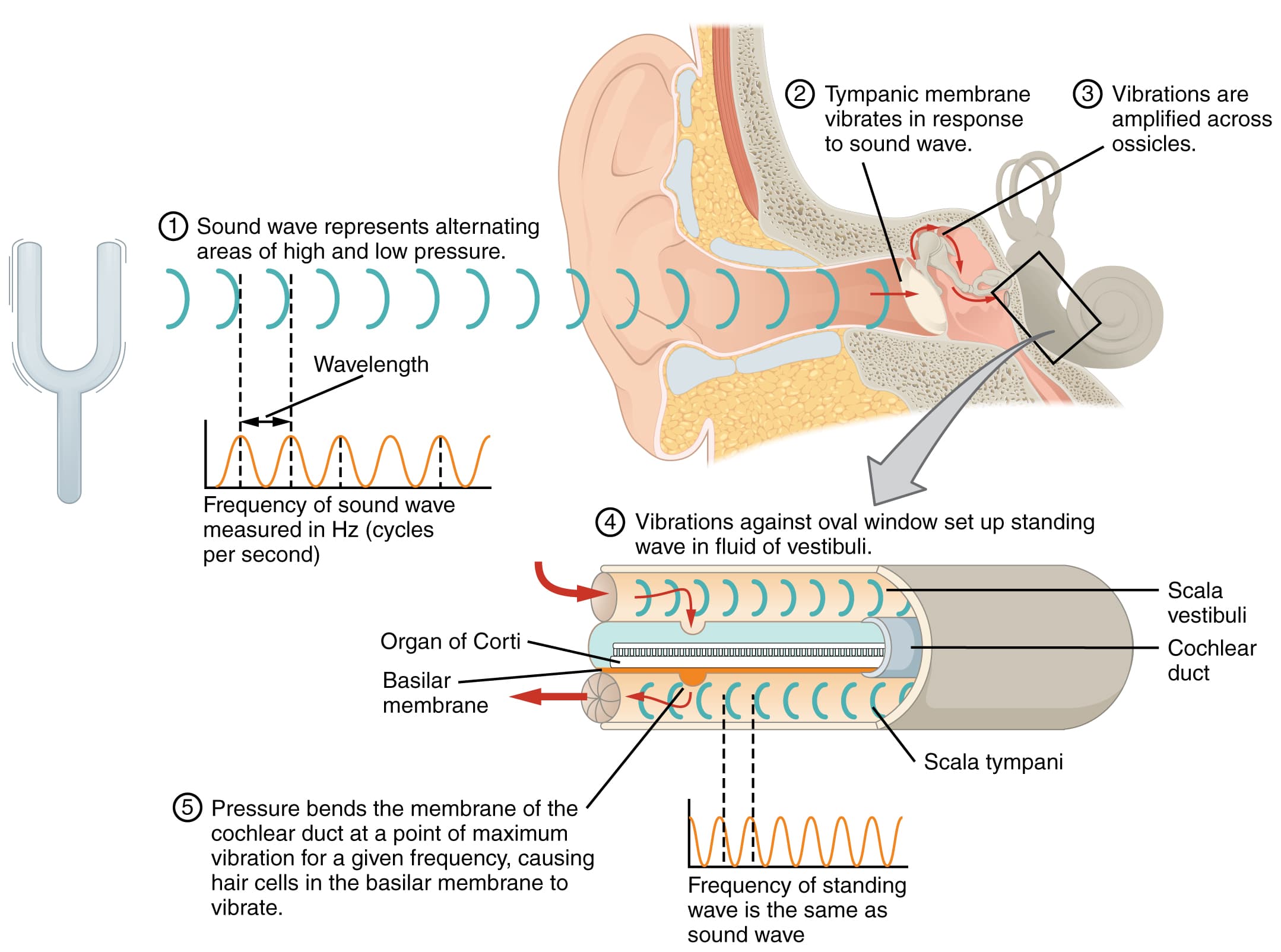
Sensory Perception · Anatomy and Physiology View original
Is this image relevant?
Taste and Smell | Introduction to Psychology View original
Is this image relevant?
Anatomy of Eye - Download Free Vector Art, Stock Graphics & Images View original
Is this image relevant?
Sensory Perception · Anatomy and Physiology View original
Is this image relevant?
Types of Sensory Imagery
Sensory imagery engages the reader's senses to create a vivid, immersive experience. There are six main types, and the best poems often weave several together.
- Visual imagery appeals to sight and helps the reader picture the scene. "A golden sunset bleeding into the ocean" puts a specific image in your mind in a way that "a pretty sunset" never could.
- Auditory imagery appeals to hearing. Think of "the gentle rustling of leaves in the breeze" versus "the sharp crack of a bat against a baseball." Same sense, completely different energy.
- Tactile imagery describes how something feels to the touch: texture, temperature, or pressure. "The smooth, cool surface of a marble countertop" gives you a physical sensation just by reading it.
- Olfactory imagery describes smells and aromas. "The sweet, fragrant scent of freshly baked cinnamon rolls" can practically pull a reader into a kitchen.
- Gustatory imagery relates to taste and is often (but not always) tied to food or drink. "The tangy, zesty bite of a ripe lemon" makes your mouth water.
- Kinesthetic imagery describes movement or internal body sensations like muscle tension, dizziness, or weightlessness. "The heart-pounding drop of a roller coaster" puts the reader in motion.

Effects of Sensory Imagery in Poetry
Sensory imagery does more than decorate a poem. It serves real purposes:
- It creates a more engaging and memorable reading experience by pulling the reader into the poem's world rather than keeping them at a distance.
- By appealing to multiple senses at once, poets can evoke stronger emotional responses. A poem about grief that includes the taste of salt, the weight of silence, and the cold of an empty room hits harder than one that just says "I was devastated."
- Sensory details establish mood, atmosphere, and tone. "The eerie creaking of an old wooden floor" sets a completely different mood than "the cheerful clatter of dishes at a family dinner."
- Vivid sensory descriptions can make abstract concepts feel concrete. "The bitter taste of regret lingering on the tongue" turns an emotion into something physical the reader can almost experience.
Notice how that last example blends gustatory imagery with an abstract idea (regret). That crossover between the physical and the emotional is where imagery gets really powerful.

Descriptive Language
Concrete and Vivid Details
Concrete language refers to specific, tangible details that can be experienced through the senses. It's the opposite of abstract or vague description. Compare these two lines:
"The flower was beautiful" (abstract, vague)
"The velvety petals of the rose curled inward, as soft as a whisper" (concrete, vivid)
The second version works because it gives you something to see and feel. It names a specific flower (rose), describes a specific texture (velvety), and adds a simile (as soft as a whisper) that layers in another sense. The more specific you are, the more real the image becomes.
A good test: if your description could apply to almost anything, it's too vague. "The beautiful place" could be anywhere. "The cracked sidewalk lined with dandelions pushing through the concrete" can only be one place.
"Show, Don't Tell" Technique
"Show, don't tell" is a technique where you use descriptive language and sensory details to convey information rather than simply stating facts or emotions. It's one of the most important skills in creative writing.
Here's what this looks like in practice:
- Telling: "She was sad."
- Showing: "Her tears fell like raindrops on a windowpane, her voice barely a thread of sound."
The "showing" version doesn't use the word "sad" at all, yet you feel the sadness more deeply. That's because the reader is actively engaging with the imagery and drawing their own emotional conclusions.
This technique also creates more authentic portrayals of characters and settings. Instead of writing "He was nervous," you might write "His hands trembled as he held the letter, his heart hammering against his ribs." The reader doesn't need to be told he's nervous because every detail already communicates it.
When you're drafting a poem, watch for moments where you've named an emotion directly. Those are your revision opportunities. Ask yourself: What does this emotion look like? Sound like? Feel like in the body? Then replace the label with those sensory details. You won't always cut every emotion word from a poem, but training yourself to reach for imagery first will make your writing sharper.
See Fiveable more often in Google
Mark Fiveable as a preferred source and Google is more likely to show you our guides in Top Stories, with a "preferred" badge in AI Mode and AI Overviews.