7.3 Using Teams to Enhance Motivation and Performance

💼Intro to Business Unit 7 Review
7.3 Using Teams to Enhance Motivation and Performance
💼 Intro to Business
7.1
Building Organizational Structures
7.2
Contemporary Structures
7.3
Using Teams to Enhance Motivation and Performance
7.4
Authority—Establishing Organizational Relationships
7.5
Degree of Centralization
7.6
Organizational Design Considerations
7.7
The Informal Organization
7.8
Trends in Organizational Structure
Understanding Team Dynamics and Performance
Teams are a core feature of how modern organizations get work done. Unlike simple work groups where people operate independently, teams bring people together around shared goals and collective accountability. This section covers the differences between groups and teams, the main types of teams you'll encounter, and what makes a team actually perform well.

Top images from around the web for Group behavior in team dynamics
The Decision Making Process | Organizational Behavior and Human Relations View original
Is this image relevant?
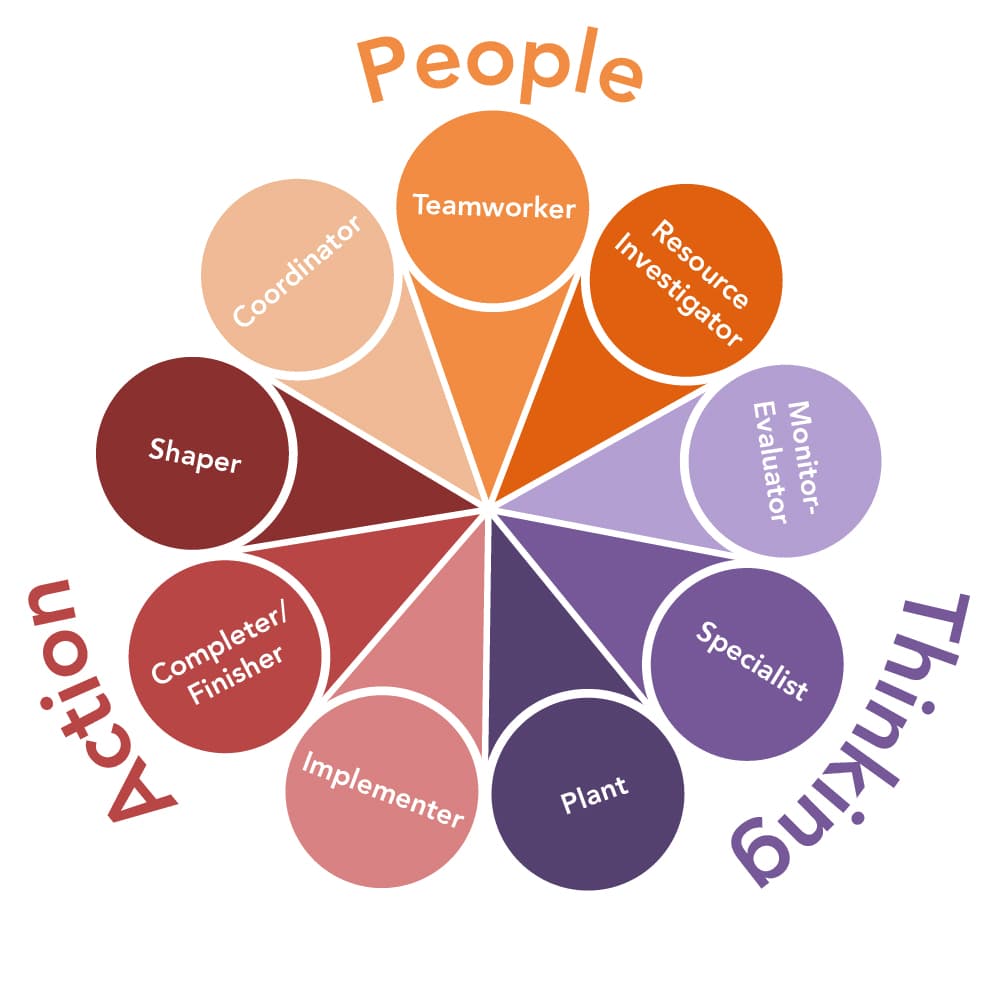
Creating Effective Teams | Organizational Behavior / Human Relations View original
Is this image relevant?
The Five Development Stages of Groups | Public Speaking View original
Is this image relevant?
The Decision Making Process | Organizational Behavior and Human Relations View original
Is this image relevant?
Creating Effective Teams | Organizational Behavior / Human Relations View original
Is this image relevant?
Group Behavior in Team Dynamics
Several forces shape how people behave once they're part of a team:
- Group norms are the unwritten rules and expectations that develop within a team. They guide everything from how meetings run to how much effort members put in. A team with strong norms around preparation, for instance, will pressure members to show up ready.
- Roles define each member's responsibilities and expected contributions. Clear roles prevent duplication of effort and reduce confusion about who handles what.
- Cohesiveness refers to how attracted and committed members feel toward the team and its goals. Highly cohesive teams tend to perform better, but only when their norms align with organizational goals. A tight-knit team with low standards can actually underperform.
- Communication is the foundation for sharing information, ideas, and feedback. Without it, even talented teams fall apart.
- Decision-making processes vary by team. Some use consensus (everyone agrees), while others use majority rule. The method a team chooses affects both the speed and the quality of its decisions.
- Conflict management matters because disagreements are inevitable. Teams that use strategies like collaboration (finding a win-win) or compromise tend to stay productive through conflict rather than getting derailed by it.
- Psychological safety is the sense that you can speak up, ask questions, or admit mistakes without being punished. Teams with high psychological safety are more innovative because members aren't afraid to take risks.

Work Groups vs. Work Teams
These two terms sound similar but describe meaningfully different structures.
A work group is a collection of individuals who work mostly independently and focus on their own individual goals. Members might share information or resources, but they aren't collectively responsible for outcomes. Think of a department where each employee performs separate tasks and reports to the same supervisor.
A work team is a set of interdependent individuals who collaborate toward shared goals. Members bring complementary skills and are collectively accountable for results. Teams typically have greater autonomy and decision-making power than work groups. A project team tasked with developing a new product is a good example.
The key distinction: work groups coordinate individual efforts, while work teams integrate those efforts to produce synergy, where the team's output exceeds what members could achieve separately.
| Feature | Work Group | Work Team |
|---|---|---|
| Goal focus | Individual performance | Shared objectives |
| Accountability | Individual | Collective |
| Skill relationship | Similar or independent | Complementary |
| Autonomy | Lower | Higher |
| Primary purpose | Efficiency of individual tasks | Innovation and complex problem-solving |

Types of Teams and Performance
Organizations use different team structures depending on the task at hand:
Functional teams are made up of people from the same department or functional area. A marketing team working on a campaign is a functional team. These teams benefit from shared expertise but can develop narrow thinking.
Cross-functional teams pull members from different departments to tackle problems that span multiple areas. Launching a new product, for example, might require people from engineering, marketing, finance, and operations. These teams bring diverse perspectives but can struggle with competing priorities.
Self-managed teams operate with a high degree of autonomy. They handle their own scheduling, task assignments, and decision-making without a traditional manager directing day-to-day work. This structure works well when team members are experienced and motivated, but it requires strong internal accountability.
Virtual teams consist of geographically dispersed members who collaborate through digital tools like video conferencing, shared documents, and messaging platforms. They offer flexibility and access to a wider talent pool, but building trust and maintaining clear communication takes extra effort when people aren't in the same room.
Building High-Performance Teams
No team becomes high-performing by accident. These strategies help get there:
- Define team goals, roles, and expectations clearly from the start
- Select members with complementary skills and diverse perspectives
- Provide ongoing training and development to build team capabilities
- Foster open communication and trust among members
- Encourage participative decision-making so everyone has a voice
- Recognize and reward both team achievements and individual contributions
- Regularly assess team performance and adjust processes as needed
- Use team-building activities to strengthen relationships and collaboration
Team Leadership and Collaboration
Effective team leaders don't just assign tasks. They guide, motivate, and support members while creating the conditions for collaboration. That means setting clear expectations, following up on commitments, and holding people accountable without micromanaging.
Successful collaboration depends on the same ingredients that run through this entire section: open communication, trust, and mutual respect. When those are present, teams can handle conflict, adapt to challenges, and consistently outperform what any individual could do alone.
See Fiveable more often in Google
Mark Fiveable as a preferred source and Google is more likely to show you our guides in Top Stories, with a "preferred" badge in AI Mode and AI Overviews.