4.7 Trends in Business Ownership

💼Intro to Business Unit 4 Review
4.7 Trends in Business Ownership
💼 Intro to Business
Trends in Business Ownership
Business ownership is evolving as demographic shifts and technology change who starts businesses and how they operate. Understanding these trends helps explain where new opportunities are emerging and why certain industries are growing faster than others.

Top images from around the web for Trends in business organization
External Forces That Shape Business Activities | Introduction to Business View original
Is this image relevant?
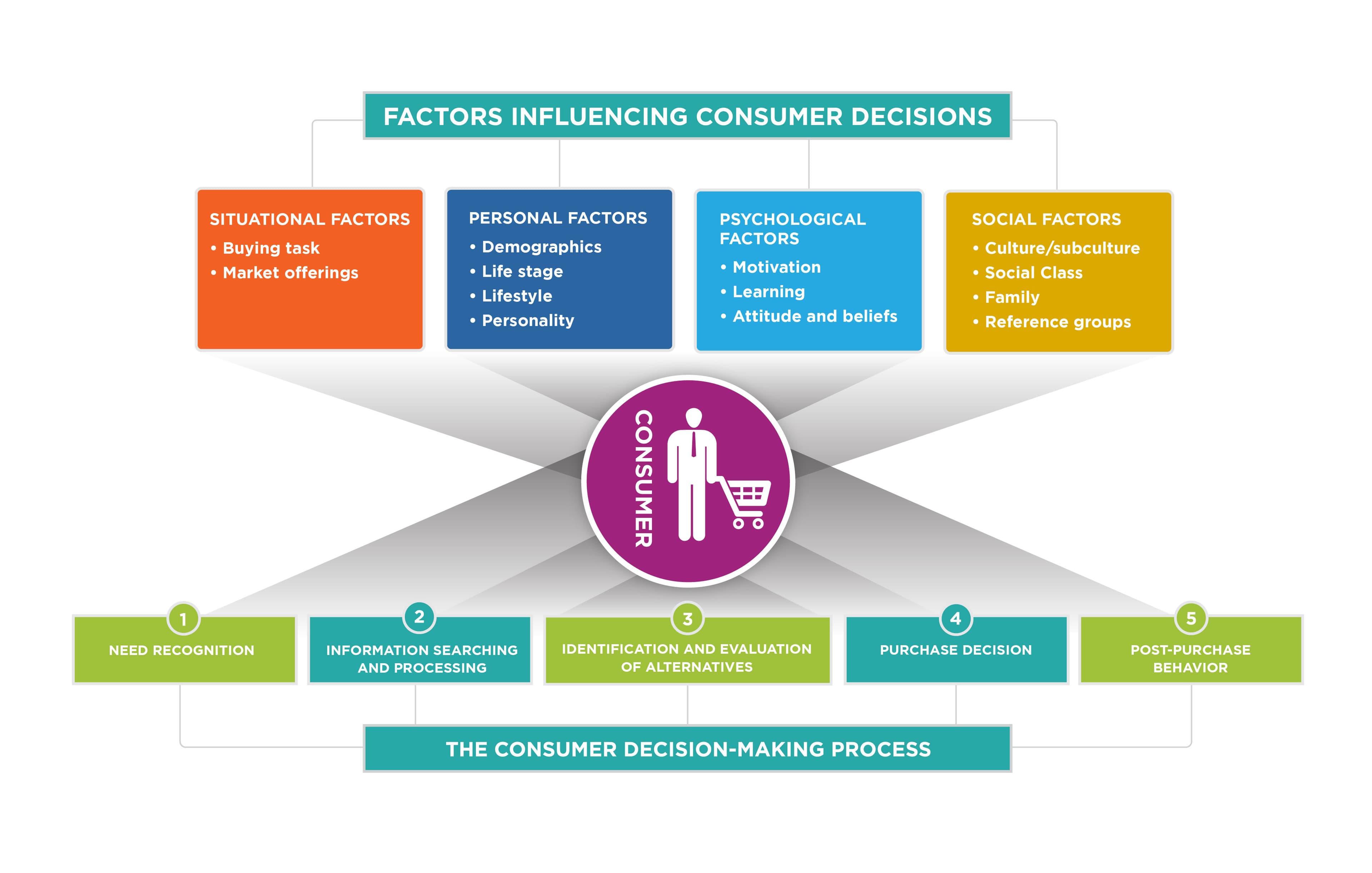
Reading: Influences on Consumer Decisions | Introduction to Business View original
Is this image relevant?
Understanding the Business Environment | OpenStax Intro to Business View original
Is this image relevant?
External Forces That Shape Business Activities | Introduction to Business View original
Is this image relevant?
Reading: Influences on Consumer Decisions | Introduction to Business View original
Is this image relevant?
Trends in Business Organization
Demographic shifts are one of the biggest forces reshaping business ownership. Three stand out:
- Aging population — As baby boomers age, demand for healthcare and senior services keeps climbing. This creates opportunities in areas like assisted living facilities and home care.
- Millennial and Gen Z preferences — Younger consumers prioritize technology (mobile apps), sustainability (eco-friendly products), and social responsibility (charitable giving). Businesses that ignore these preferences risk losing a huge customer base.
- Increasing diversity — A more diverse population means businesses need to adapt to varied customer needs, such as offering multilingual services. It also opens doors for minority-owned businesses and diverse leadership.
Impact on franchising: Franchising gives entrepreneurs a proven business model with built-in support, which means faster expansion and lower risk compared to starting from scratch. Demographic shifts are steering franchise growth in specific directions:
- Senior services franchises like Visiting Angels are expanding alongside the aging population
- Food and beverage franchises like Smoothie King target younger consumers
- Technology-based service franchises like Geeks On Call are growing as demand for tech support rises

Generational Impact on Entrepreneurship
Different generations are approaching business ownership in distinct ways.
Baby boomers are delaying retirement or "un-retiring," meaning they continue working past the traditional retirement age or launch second careers later in life. This trend fuels demand for retirement planning and financial services like wealth management and estate planning. Boomers also bring decades of experience, creating potential for mentorship and knowledge transfer to younger entrepreneurs.
Millennials tend to have an entrepreneurial mindset that values flexibility. Many embrace freelancing, side hustles (like driving for Uber), and self-employment rather than traditional 9-to-5 careers. Several patterns define millennial entrepreneurship:
- Technology-driven opportunities — Leveraging digital platforms and e-commerce to build businesses (Etsy shops, dropshipping)
- Innovation focus — Developing new products and services like mobile apps and subscription boxes
- Social and environmental consciousness — Prioritizing sustainability in business decisions (using eco-friendly packaging) and starting mission-driven enterprises, sometimes called social entrepreneurship

Mergers and Foreign Investment Trends
Mergers and acquisitions (M&A) happen when companies combine or one company buys another. M&A activity has increased for several reasons:
- Pursuit of growth, market share, and economies of scale (cost savings from operating at a larger size). The Heinz and Kraft Foods merger is a well-known example.
- Access to new technologies, talent, and intellectual property
- Diversification to reduce risk
M&A activity comes with trade-offs. Merged companies gain market power, but this can reduce competition, potentially leading to higher prices and fewer choices for consumers. Employees and local communities may face job losses, restructuring, and shifts in corporate culture.
Foreign direct investment (FDI) occurs when a company invests in business operations in another country. FDI has grown for several reasons:
- Attractive investment opportunities in emerging markets like China and India
- Access to new consumer markets and resources
- Diversification of investment portfolios
- Globalization has accelerated FDI by reducing trade barriers and increasing how interconnected global markets are
FDI can benefit host countries through economic growth, job creation, and technology transfer (for example, Tesla building factories in Germany increases local manufacturing expertise). But it also carries risks: political and economic instability in host countries (as seen in Venezuela), cultural and communication barriers, and complex regulatory and legal requirements.
Emerging Business Trends
- Gig economy — The rise of short-term contracts and freelance work, enabled by digital platforms like Uber, Fiverr, and TaskRabbit. This shifts how people think about employment and business ownership.
- Startup culture — An emphasis on innovation, rapid growth, and disrupting traditional industries. Startups are often supported by venture capital funding, where investors provide money to high-potential companies in exchange for equity. Business incubators also play a role by providing resources, office space, and mentorship to early-stage companies.
See Fiveable more often in Google
Mark Fiveable as a preferred source and Google is more likely to show you our guides in Top Stories, with a "preferred" badge in AI Mode and AI Overviews.