12.4 Using Supply Chain Management to Increase Efficiency and Customer Satisfaction

💼Intro to Business Unit 12 Review
12.4 Using Supply Chain Management to Increase Efficiency and Customer Satisfaction
💼 Intro to Business
12.1
The Nature and Functions of Distribution (Place)
12.2
Wholesaling
12.3
The Competitive World of Retailing
12.4
Using Supply Chain Management to Increase Efficiency and Customer Satisfaction
12.5
Promotion Strategy
12.6
The Huge Impact of Advertising
12.7
The Importance of Personal Selling
12.8
Sales Promotion
12.9
Public Relations Helps Build Goodwill
12.10
Trends in Social Media
12.11
Trends in E-Commerce
Supply Chain Management and Customer Satisfaction
Supply chain management (SCM) coordinates the flow of goods, services, and information from raw materials all the way to the end customer. Getting this right is central to business success because it directly affects cost, product quality, and whether customers actually get what they want, when they want it.
Coordination in Supply-Chain Management
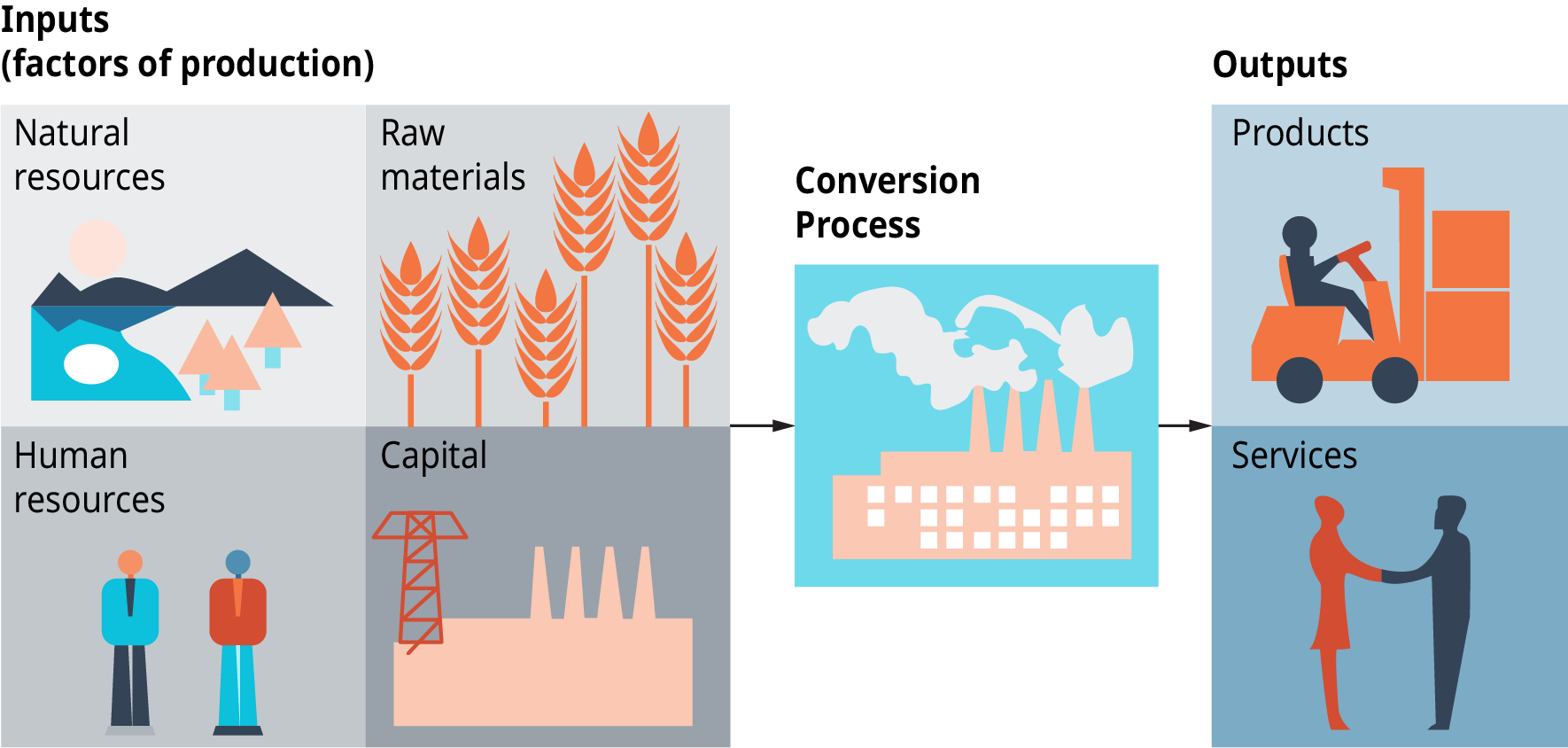
At its core, SCM connects every step between raw materials and the finished product in a customer's hands. That includes:
- Sourcing raw materials (cotton, steel, etc.)
- Procurement of components (microchips, packaging)
- Conversion of those materials into finished products through manufacturing and assembly
- Logistics like warehousing and transportation to move products where they need to go
The goal is to deliver the right products to the right customers at the right time and place, while keeping costs as low as possible. SCM does this by reducing excess inventory, streamlining processes, and leveraging economies of scale.
SCM also drives customer satisfaction in several specific ways:
- Quality and consistency through supplier management and quality control standards (like ISO 9001 certification)
- Faster, more reliable delivery through efficient logistics, including just-in-time delivery that reduces wait times
- Flexibility to respond when customer demand shifts, using approaches like modular product design and postponement strategies (where final customization happens late in the process)
- Better customer service through integrated information systems and customer relationship management (CRM) tools that give support teams real-time order data
When all of these stages are tightly integrated, the entire value chain runs more smoothly and the customer experience improves.

Shift to Customer-Driven Configurations
Traditional supply chains were built around mass production. Think Henry Ford's Model T: one standardized product, produced in huge volumes to drive costs down.
Modern supply chains look very different. They're increasingly customer-driven, meaning they're designed around what individual buyers actually want. A few examples: Nike By You lets customers design their own shoes, and Apple offers engraved devices. This shift has been made possible by technologies like flexible manufacturing (robotics, 3D printing) and digital platforms (e-commerce, social media).
Customer-driven supply chains prioritize:
- Responsiveness to individual preferences through product configuration and customization options
- Speed to market with shorter product life cycles, so companies can capitalize on trends quickly
- Variety across product lines to serve diverse customer segments
- Collaboration with customers to co-create value through feedback channels, crowdsourcing, and beta testing programs
Optimizing Product Flow and Information in Supply Chains
Supply chain managers juggle a wide range of responsibilities. Each one plays a role in keeping products flowing efficiently and keeping customers satisfied.
Responsibilities of Supply-Chain Managers
Demand Planning and Forecasting
Before you can deliver the right products, you need to know what customers will want and when. Supply chain managers analyze historical sales data, market research, and customer insights to predict demand. They work closely with sales and marketing teams to align supply with those forecasts, so the company isn't caught with too much or too little inventory.
Inventory Management
Holding too much inventory ties up cash. Holding too little means stockouts and unhappy customers. Managers use techniques like economic order quantity (EOQ), which calculates the ideal order size to minimize total costs, and safety stock calculations to keep a buffer for unexpected demand spikes.
Other inventory tools include:
- ABC analysis, which categorizes inventory by value so the most important items get the closest attention
- Cycle counting, a method of regularly auditing portions of inventory instead of doing one massive count
- Vendor-managed inventory (VMI), where the supplier monitors stock levels and handles replenishment
Production Planning and Scheduling
Managers coordinate production to meet demand using tools like material requirements planning (MRP), which figures out what materials are needed, how much, and when. They optimize capacity through techniques like bottleneck analysis and lean manufacturing principles (pioneered by Toyota's Production System). Quality is maintained through methods like statistical process control (SPC) and Six Sigma.
Logistics and Distribution Management
This covers the physical movement of products. Managers design distribution networks by considering facility locations, transportation modes, and routing efficiency. Many companies partner with third-party logistics providers (3PLs) to handle warehousing and shipping.
Key performance metrics include on-time delivery rates, transportation cost per unit, and order fill rate. Reverse logistics is also part of this responsibility, covering returns, repairs, and product recycling.
Information Management
Information is the glue that holds a supply chain together. Technologies like RFID tags, barcoding, and blockchain help companies track products through every stage. Systems like electronic data interchange (EDI) and enterprise resource planning (ERP) platforms integrate data across the entire chain, so everyone from suppliers to retailers is working with the same information. Data analytics then turns all that information into better decisions around forecasting, inventory levels, and maintenance scheduling.
Supply Chain Resilience and Sustainability
Building Resilience
Disruptions happen, whether from natural disasters, supplier failures, or global events. Resilient supply chains are built to absorb and recover from these shocks. Managers develop contingency plans and alternative sourcing strategies so the company isn't dependent on a single supplier or region. Greater supply chain visibility (knowing where every product and shipment is at any moment) helps companies respond quickly when something goes wrong.
Pursuing Sustainability
Businesses face growing pressure to operate responsibly. Green supply chain practices reduce carbon footprints and waste. Ethical sourcing ensures fair labor practices throughout the chain. Product and packaging design increasingly considers recyclability and environmental impact.
Managing the Bullwhip Effect
The bullwhip effect is a common supply chain problem where small fluctuations in customer demand get amplified as you move upstream through the chain. A slight uptick in retail sales might cause a retailer to over-order, which causes the distributor to over-order even more, and so on, until the manufacturer is producing far more than anyone actually needs.
Three key strategies help control this:
- Improve information sharing across the chain so every partner sees actual demand data, not just the orders from the next link
- Use demand-driven planning that bases forecasts on real customer behavior rather than order patterns
- Reduce lead times and order batching so orders are smaller and more frequent, which prevents large swings in demand signals
See Fiveable more often in Google
Mark Fiveable as a preferred source and Google is more likely to show you our guides in Top Stories, with a "preferred" badge in AI Mode and AI Overviews.