17.6 Self-Test Scoring Guidelines

💼Intro to Business Unit 17 Review
17.6 Self-Test Scoring Guidelines
💼 Intro to Business
Self-Assessment and Personal Skills

Top images from around the web for Self-Assessment and Career Success
SWOT Analysis | Principles of Marketing View original
Is this image relevant?
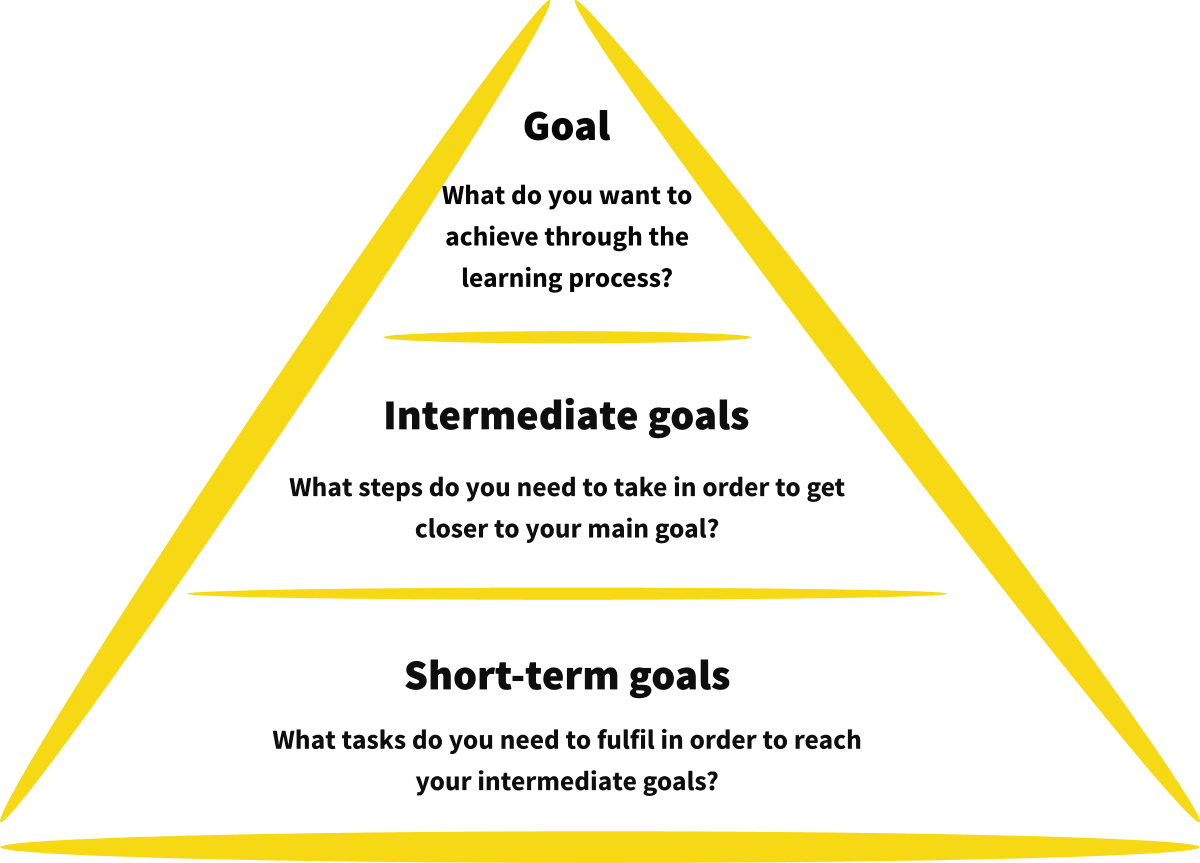
Goal Pyramid | Methods and Tools | English | Metodes.lv View original
Is this image relevant?
SMART Model for Setting Goals. Setting Goals theory. S.M.A.R.T. model (s.m.a.r.t. framework ... View original
Is this image relevant?
SWOT Analysis | Principles of Marketing View original
Is this image relevant?
Goal Pyramid | Methods and Tools | English | Metodes.lv View original
Is this image relevant?
Self-Assessment and Career Success
Self-assessment is the process of honestly evaluating your own strengths, weaknesses, values, and goals. In a career context, it matters because you can't make good decisions about where you're headed if you don't have a clear picture of where you stand right now.
Here's what regular self-assessment actually does for you:
- Targets your development. Instead of vaguely trying to "get better," you can pinpoint exactly which skills need work and which ones you should lean into.
- Improves decision-making. Choosing a career path, a job offer, or even a project to volunteer for gets easier when you know what you're good at and what drains you.
- Boosts job performance. You can leverage your strengths at work while actively closing gaps that might hold you back from promotions or new responsibilities.
- Makes goal-setting realistic. Self-assessment keeps your goals grounded. You're setting targets based on an honest inventory of your abilities, not wishful thinking.
Self-assessment also builds a growth mindset, the belief that your abilities can develop over time. When you regularly reflect on your progress, setbacks feel less like dead ends and more like data you can use.

Personal Skills Analysis
The self-test in this section measures several skill areas that show up constantly in business careers. Here's what each one involves and why it matters:
- Persuasion is your ability to influence others and build support for your ideas. It draws on clear communication, empathy, and reading what your audience actually cares about. Think presenting a proposal to your team or negotiating a deadline with a client.
- Office politics refers to navigating relationships and power dynamics in an organization. That sounds negative, but it's really about building alliances, managing conflicts professionally, and making sure your contributions are visible. Networking and conflict resolution are core parts of this.
- Time management means prioritizing tasks, setting deadlines, and knowing when to delegate. Tools like calendars and task lists help, but the real skill is discipline: choosing what not to do is just as important as choosing what to do.
- Financial management covers budgeting, planning, and making sound money decisions, both personally and professionally. You don't need to be an accountant, but understanding basics like budgeting and investing gives you a real advantage.
- Study habits are your strategies for learning and retaining new information. Techniques like self-testing, summarizing material in your own words, and spaced repetition (reviewing at intervals) are far more effective than just re-reading notes.
- Assertiveness is communicating your needs, opinions, and boundaries clearly without being aggressive. It requires self-awareness and respect for others. Saying no to an unreasonable request or standing up for your idea in a meeting are everyday examples.
- Listening means actively engaging with what someone is saying, not just waiting for your turn to talk. Strong listeners paraphrase to confirm understanding, ask follow-up questions, and use body language like eye contact to show they're present.

Strategies for Improvement
Once you've scored yourself, the next step is turning those scores into action. A structured approach works best:
- Set SMART goals. Pick one or two skill areas to focus on. Make each goal Specific, Measurable, Achievable, Relevant, and Time-bound. For example: "Improve my time management by using a daily task list and completing my three highest-priority items before noon, every workday for the next month."
- Break goals into smaller tasks. A goal like "get better at persuasion" is too big to act on directly. Break it down: join a campus speaking club, practice structuring arguments, ask a friend to role-play a negotiation scenario.
- Seek feedback and mentorship. Talk to colleagues, supervisors, or mentors who can give you honest input. Be open to constructive criticism. Outside perspectives often reveal blind spots your self-assessment missed.
- Use targeted resources. Workshops, online courses, books, and training programs can address specific weaknesses. The key is matching the resource to the skill gap, not just consuming content randomly.
- Reassess regularly. Check in on your progress every few weeks. Celebrate improvements, but also be willing to adjust your plan if something isn't working or your priorities shift.
Throughout this process, treat setbacks as information rather than failure. A low score on a self-test isn't a verdict on your potential. It's a starting point.
See Fiveable more often in Google
Mark Fiveable as a preferred source and Google is more likely to show you our guides in Top Stories, with a "preferred" badge in AI Mode and AI Overviews.