13.1 Transforming Businesses through Information

💼Intro to Business Unit 13 Review
13.1 Transforming Businesses through Information
💼 Intro to Business
Information Systems in Business
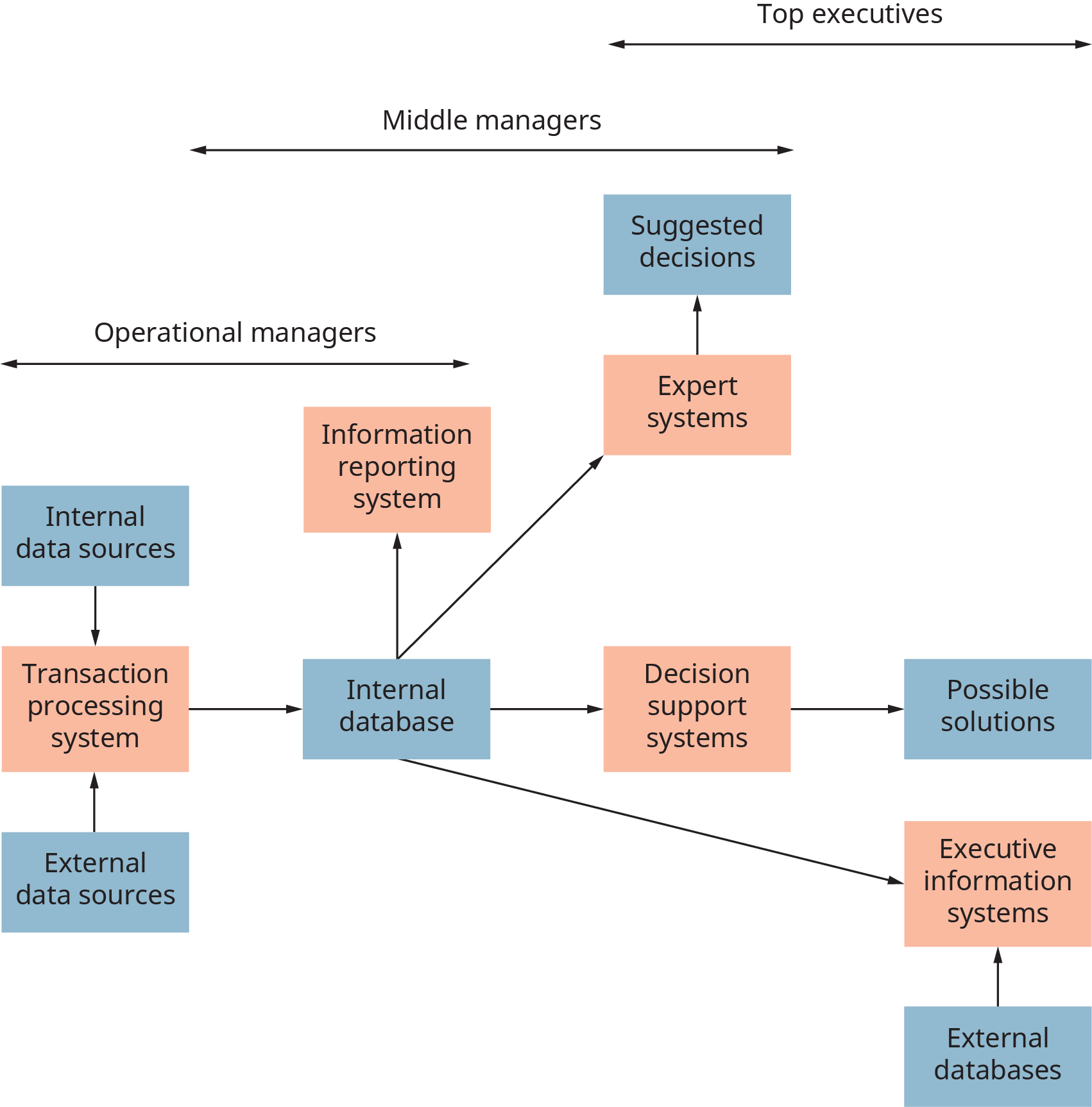
Information systems collect, process, and organize data from across a business, turning raw numbers and records into insights that drive decisions. Understanding how these systems work is foundational to seeing how modern companies operate, plan, and compete.
Data Collection, Processing, and Utilization
Businesses pull data from many sources: internal databases (like customer records), external providers (like market research firms), customer interactions (like website analytics), and sensor networks (like RFID tags on inventory). On its own, though, raw data isn't very useful. It has to be processed first.
Processing means turning that raw data into something meaningful. This involves:
- Filtering and cleaning the data, such as removing duplicate entries
- Aggregating data from multiple sources, like combining sales figures from different regions into one report
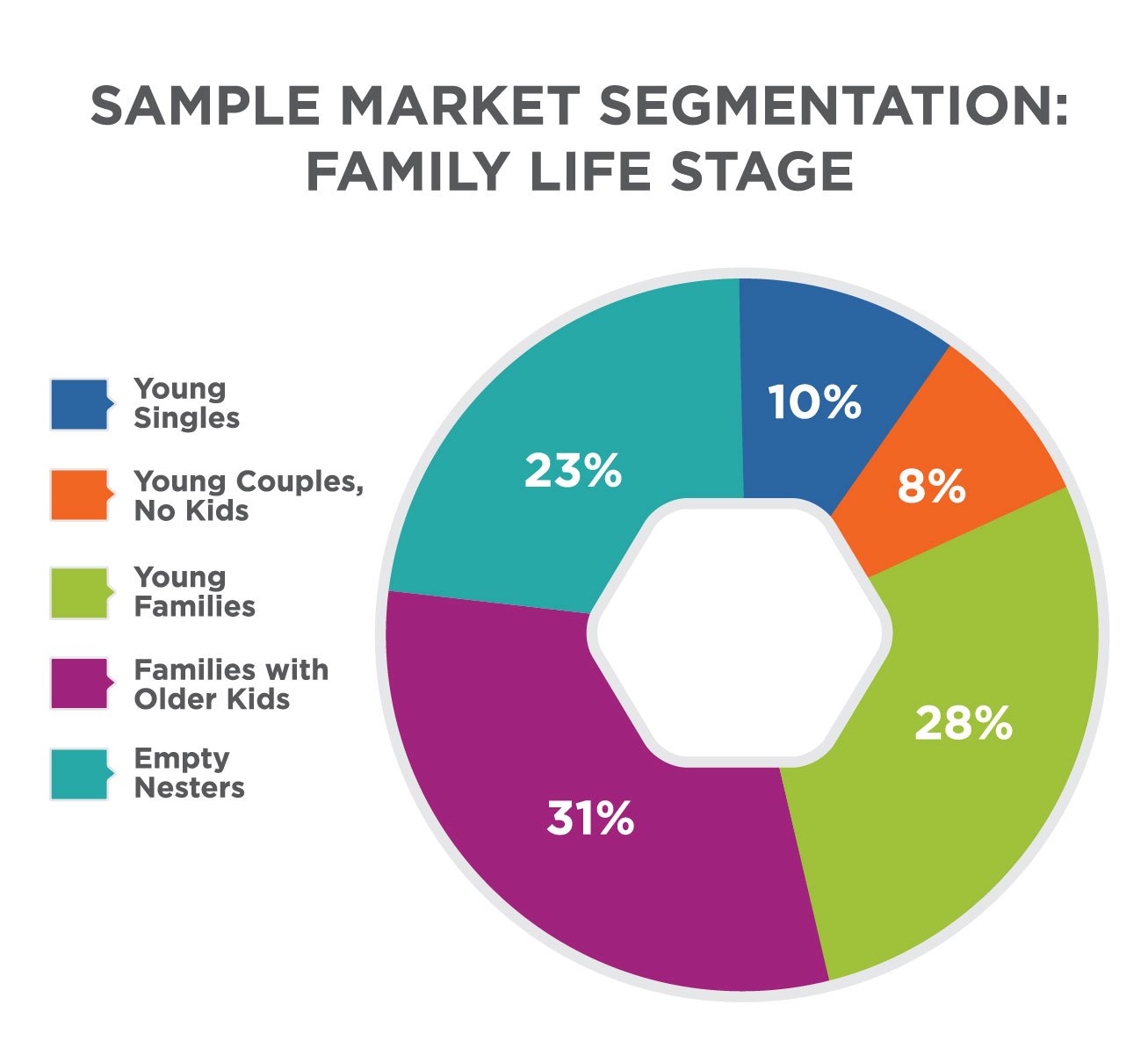
- Applying algorithms and models, such as sorting customers into segments based on purchasing behavior
Once data is processed, it becomes information that supports real decisions. Managers use it to spot seasonal sales patterns, forecast demand for products, allocate inventory more efficiently, and run targeted marketing campaigns. The key idea: data is the raw material, and information is the finished product that people actually act on.
Databases, Enterprise Systems, and Data Warehouses
Three types of infrastructure sit at the core of most business information systems.
Databases store and organize structured data. A relational database uses tables linked by shared fields (for example, a customer table connected to an order table by customer ID). NoSQL databases handle unstructured or semi-structured data, like social media posts or sensor readings. Both types are designed to keep data accurate, secure, and quick to retrieve.
Enterprise systems integrate information across different business functions so departments aren't working in silos:
- Enterprise Resource Planning (ERP) systems tie together core processes like accounting, logistics, and payroll into a single platform.
- Customer Relationship Management (CRM) systems track customer interactions, contact info, and sales history in one place.
The benefit of both is that everyone in the organization works from the same data instead of maintaining separate spreadsheets.
Data warehouses consolidate historical data from across the business for analysis and reporting. They're built using Extract, Transform, Load (ETL) processes, which pull data from various systems, clean and standardize it, then load it into the warehouse. From there, analysts can run complex queries, identify patterns (like shifts in customer buying behavior over time), and feed business intelligence tools that produce dashboards and reports.
Emerging Technologies in Information Management
Supercomputing and Cloud Computing
Supercomputing makes it possible to process massive datasets and run complex simulations that ordinary computers can't handle. It relies on high-performance computing clusters that use parallel processing, meaning many processors work on a problem simultaneously.
Real-world applications include weather forecasting, genome sequencing, financial risk analysis, and large-scale social network analysis. Businesses don't always need to own supercomputers, though. Cloud computing platforms like Amazon Web Services (AWS) provide scalable, on-demand computing power, so a company can rent processing capacity as needed rather than investing in its own hardware.
Global Networks
Global networks connect organizations and people across the world, and they take several forms:
- The Internet and World Wide Web enable open information sharing through websites and online services.
- Intranets are private networks within a single organization, used for things like internal communication and document sharing. Extranets extend that access to trusted outside partners, such as suppliers using a shared project management platform.
- Social networks and online communities (like LinkedIn groups) support knowledge sharing and crowdsourcing across industries.
Other Emerging Technologies
Several newer technologies are reshaping how businesses manage information:
- Blockchain provides a secure, decentralized way to record transactions. Each transaction is verified across a network rather than by a single authority, which is why it underpins cryptocurrency but also has applications in supply chain tracking and contract management.
- Internet of Things (IoT) connects physical devices (smart thermostats, factory sensors, delivery trackers) to the internet, generating real-time data streams that businesses can monitor and act on.
- Artificial Intelligence (AI) and Machine Learning (ML) automate data analysis and support decision-making. A common example is fraud detection, where ML models learn to flag unusual transactions far faster than a human reviewer could.
See Fiveable more often in Google
Mark Fiveable as a preferred source and Google is more likely to show you our guides in Top Stories, with a "preferred" badge in AI Mode and AI Overviews.