2.1 Understanding Business Ethics

💼Intro to Business Unit 2 Review
2.1 Understanding Business Ethics
💼 Intro to Business
Ethical Decision-Making in Business
Components of Ethical Decision-Making
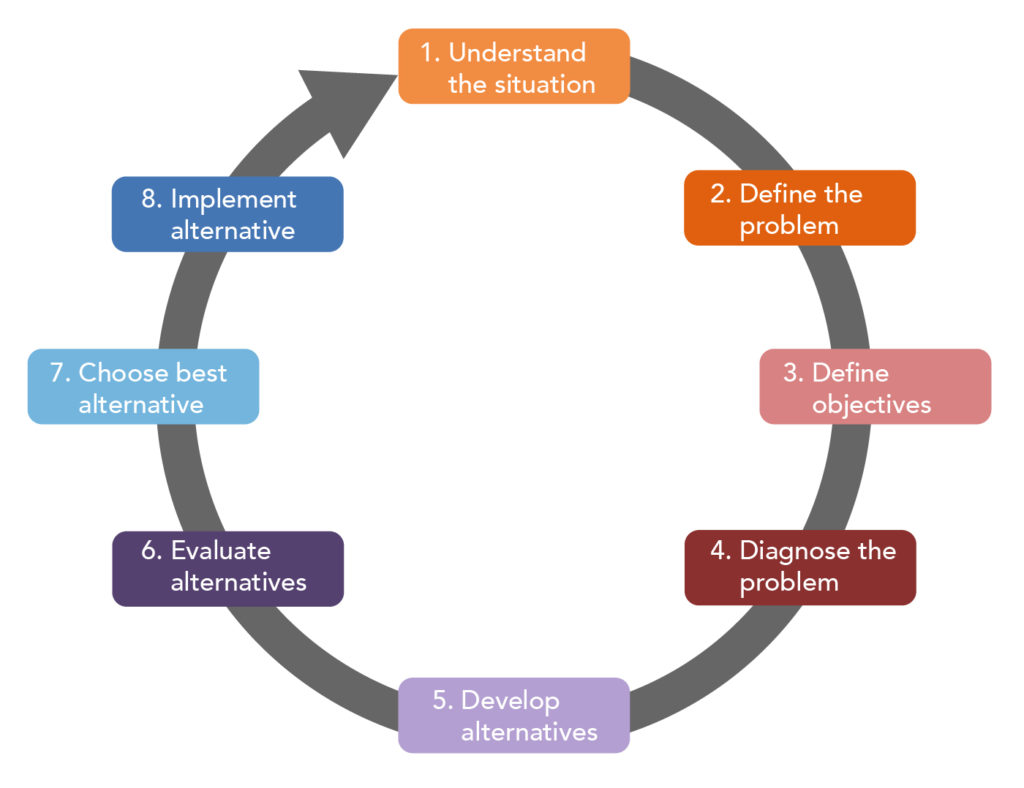
Ethical decision-making isn't a single moment of choosing right over wrong. It's a process with distinct steps, and understanding each one helps you navigate real business situations.
- Recognize the ethical issue. Identify that a situation has moral implications. This means distinguishing between what's ethical, what's legal, and what's economically beneficial, since those three don't always overlap.
- Evaluate alternatives and their consequences. Consider the potential positive and negative outcomes of each option. Think about the impact on all stakeholders: employees, customers, shareholders, and the broader community.
- Make a decision and take action. Choose the most ethical course of action based on your evaluation. This also means accepting responsibility for the consequences, not just making the call and walking away.
- Reflect on the outcome. After the decision plays out, analyze whether it was effective and appropriate. This step is how you build better judgment over time.
Throughout this process, you're engaging in moral reasoning: critically examining the dilemma and arriving at a conclusion you can justify, not just going with your gut.

Influences on Ethical Choices
Your ethical choices in a business setting don't happen in a vacuum. Several forces shape what you decide and how you decide it.
- Personal values and philosophies form your baseline. Principles like honesty, fairness, and respect come from your upbringing, cultural background, and religious or philosophical beliefs.
- Organizational culture has a huge influence. A company's mission, values, and ethical standards set expectations, and leadership behavior reinforces them. If managers cut corners, employees notice.
- Ethical leadership specifically sets the tone for the whole organization. Leaders who model integrity and hold people accountable create a culture where ethical behavior is the norm, not the exception.
- Professional codes of ethics provide industry-specific guidelines. For example, accountants follow codes established by organizations like the AICPA that spell out standards for ethical conduct.
- Laws and regulations set the minimum boundaries for acceptable behavior. Penalties for violations, from fines to criminal charges, create strong incentives to stay within those boundaries.
- Societal expectations add another layer of pressure. Public opinion, media scrutiny, and growing expectations around corporate social responsibility mean that businesses can face reputational damage even for actions that are technically legal but widely seen as wrong.
Ethical Frameworks
When you face an ethical dilemma, these frameworks give you structured ways to think through it. Each one approaches the question "what's the right thing to do?" from a different angle.
- Utilitarianism asks: Which action produces the greatest good for the greatest number of people? You weigh total benefits against total harms. For example, a company might close an unprofitable factory (harming local workers) if it keeps the larger company solvent and preserves thousands of other jobs.
- Deontology asks: Does this action follow moral rules or duties, regardless of the outcome? Some things are simply wrong even if they'd produce a good result. Lying to customers to boost short-term sales would violate a deontological standard of honesty.
- Virtue ethics focuses on character rather than rules or outcomes. The question becomes: What would a person of good moral character do? This framework encourages developing virtues like integrity, courage, and fairness in both individuals and organizations.
- Ethical relativism holds that moral principles vary across cultures and situations. What's considered acceptable business practice in one country may be viewed differently in another. This framework is worth understanding, but be careful with it: it can be used to justify practices that cause real harm.
Types of Unethical Business Activities
Unethical business practices take many forms, and each one carries serious consequences. Recognizing these categories helps you spot problems before they escalate.
- Fraud and deception include misrepresenting products or services and using false advertising. A company claiming its product can do something it can't is a straightforward example. Consequences include legal penalties, loss of customer trust, and lasting brand damage.
- Bribery and corruption involve offering or accepting payments to gain unfair business advantages or influence decision-makers. This distorts fair competition and can result in criminal sanctions and erosion of public trust.
- Discrimination and harassment mean unfair treatment based on protected characteristics like race, gender, or age, or creating a hostile work environment. Beyond legal liability, these practices destroy employee morale and productivity.
- Environmental degradation covers polluting, ignoring environmental regulations, or failing to manage the environmental impact of business operations. Companies face fines, negative public perception, and long-term ecological damage that can affect entire communities.
- Insider trading and conflicts of interest involve using non-public information for personal financial gain or letting personal interests override professional duties. These erode investor confidence and undermine the integrity of financial markets.
- Lack of transparency in operations and decision-making can quietly erode trust among stakeholders. Even when no single dramatic violation occurs, consistently withholding information or obscuring decisions creates an environment where other unethical behavior is more likely to take root.
See Fiveable more often in Google
Mark Fiveable as a preferred source and Google is more likely to show you our guides in Top Stories, with a "preferred" badge in AI Mode and AI Overviews.