14.8 Trends in Accounting

💼Intro to Business Unit 14 Review
14.8 Trends in Accounting
💼 Intro to Business
Technological Trends Transforming Accounting
Accounting is shifting from a field focused on manual number-crunching to one driven by technology and advisory work. Understanding these trends matters because they're changing what accountants actually do day-to-day and what employers expect new hires to know.

Top images from around the web for Cloud Computing, Automation, AI and Machine Learning
CIOs and CTOs Accelerate AI, Machine Learning, 5G and IoT Due to the Pandemic | IBL News View original
Is this image relevant?

Frontiers | Securing Machine Learning in the Cloud: A Systematic Review of Cloud Machine ... View original
Is this image relevant?
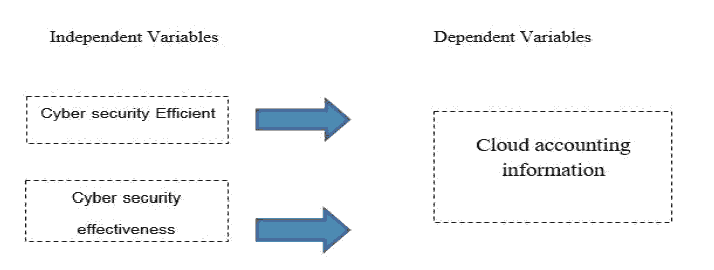
The Efficiency and Effectiveness of the Cyber Security in Maintaining the Cloud Accounting ... View original
Is this image relevant?
CIOs and CTOs Accelerate AI, Machine Learning, 5G and IoT Due to the Pandemic | IBL News View original
Is this image relevant?
Frontiers | Securing Machine Learning in the Cloud: A Systematic Review of Cloud Machine ... View original
Is this image relevant?
Cloud Computing
Cloud computing lets accountants access financial data from anywhere with an internet connection, making real-time collaboration possible between teams, clients, and auditors. It also cuts IT costs since firms don't need to maintain their own servers. Cloud providers typically offer encrypted storage and regular backups, which can actually improve data security compared to keeping everything on local machines.
Automation
Automation handles repetitive tasks like data entry, bank reconciliations, and report generation. This reduces human errors and speeds up the process of producing financial statements. The bigger picture: when software handles the routine work, accountants can spend more time on analysis and advising clients.
AI and Machine Learning
- Fraud detection: AI can scan thousands of transactions and flag unusual patterns that a human reviewer might miss
- Auditing efficiency: Machine learning automates sampling and testing procedures, making audits faster
- Predictive analytics: These tools help with financial forecasting and risk assessment, giving businesses forward-looking insights instead of just historical reports
Regulatory Changes and Their Impact
The Sarbanes-Oxley Act (SOX)
Congress passed SOX in 2002 after major corporate scandals like Enron and WorldCom exposed serious fraud in financial reporting. The law's core requirements include:
- Management certification: Company executives must personally certify the accuracy of financial reports and the effectiveness of internal controls
- Independent audits: Outside auditors must evaluate a company's internal control systems and financial statements
- Fraud prevention: SOX created the Public Company Accounting Oversight Board (PCAOB) to oversee auditing firms and set standards
Transparency and Accountability
SOX and related regulations pushed companies toward greater transparency. Companies must now disclose material changes in their financial condition or operations in a timely manner. Independent audit committees and direct executive responsibility for financial reporting have strengthened corporate governance. The result is that investors can place more confidence in the reliability of the financial information they receive.

Stricter Auditing Standards
- Auditors must remain independent from the companies they audit, with restrictions on providing non-audit services (like consulting) to audit clients
- More extensive testing of internal controls and substantive procedures is now required
- Documentation and retention requirements for audit evidence have increased, creating a clearer paper trail
Adapting Accounting Services to Evolving Client Needs
The role of accountants is expanding well beyond tax prep and bookkeeping. Firms are adapting in three key ways.
Advisory Services
Many firms now offer strategic planning, risk management, and performance improvement consulting alongside traditional accounting. This includes helping clients navigate complex regulations, optimize tax strategies, and implement new technology. Data analytics support has become a particularly in-demand service as businesses look for better ways to use their financial data.
Specialized Industry Expertise
Rather than being generalists, many accountants are developing deep knowledge in specific sectors like healthcare, real estate, or non-profits. Each industry has unique accounting challenges (for example, non-profits follow different reporting standards than for-profit companies). Firms invest in staff training and specialized certifications to build this expertise.
Remote Work and Flexible Staffing
Cloud technology made remote accounting work practical, and the shift has stuck. Firms use flexible work arrangements to attract and retain talent from a wider geographic pool. During busy seasons like tax time, many firms also partner with freelancers or outsourcing providers to scale up without permanently expanding headcount.
See Fiveable more often in Google
Mark Fiveable as a preferred source and Google is more likely to show you our guides in Top Stories, with a "preferred" badge in AI Mode and AI Overviews.