7.8 Long-term effects on Native communities

🏹Native American History Unit 7 Review
7.8 Long-term effects on Native communities
🏹 Native American History
Historical Trauma
Historical trauma is the cumulative emotional and psychological wounding that carries across generations, originating from massive group experiences like colonization, forced relocation, and cultural suppression. For Native American communities, this concept is central to understanding why so many present-day challenges persist long after the policies that caused them officially ended.

Top images from around the web for Intergenerational transmission
1.4 Keeping students safe: reporting child protection concerns – Trauma Informed Behaviour ... View original
Is this image relevant?
Frontiers | Epigenetic Modifications in Stress Response Genes Associated With Childhood Trauma View original
Is this image relevant?
Frontiers | Mothering, Substance Use Disorders and Intergenerational Trauma Transmission: An ... View original
Is this image relevant?
1.4 Keeping students safe: reporting child protection concerns – Trauma Informed Behaviour ... View original
Is this image relevant?
Frontiers | Epigenetic Modifications in Stress Response Genes Associated With Childhood Trauma View original
Is this image relevant?
Intergenerational Transmission
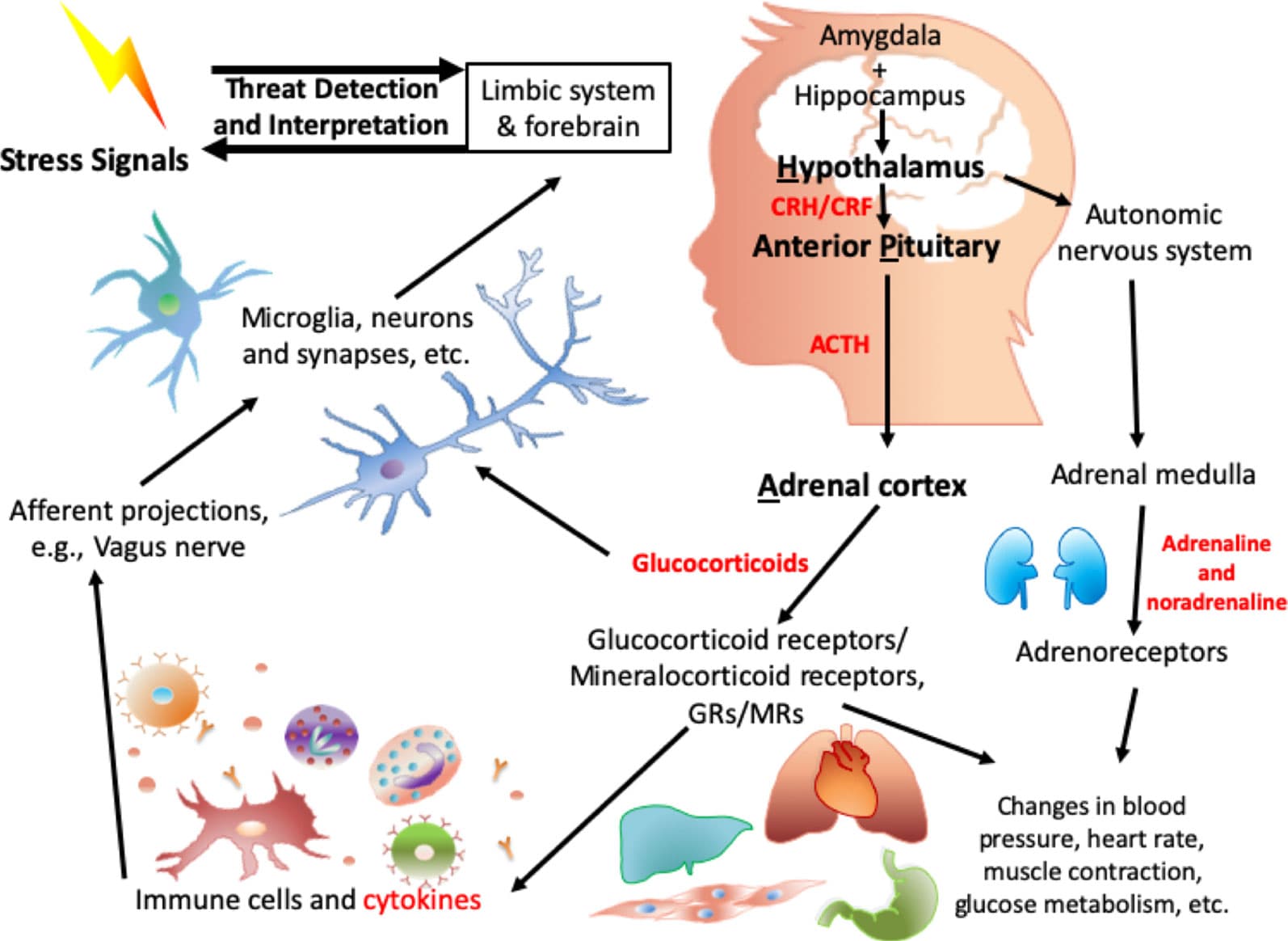
Trauma doesn't stop with the generation that directly experienced it. It gets passed down through altered parenting practices, family dynamics, and even epigenetic changes (modifications to gene expression caused by environmental stressors). In Native communities, this transmission shows up as higher rates of PTSD, depression, and anxiety compared to the general U.S. population.
- Cycles of abuse, neglect, and substance misuse often trace back to disrupted family systems caused by boarding schools and forced removals
- Storytelling and collective memory can carry both the weight of trauma and the seeds of healing
- Cultural practices like sweat lodges and talking circles serve as community-based tools for processing intergenerational pain
Mental Health Impacts
Native Americans experience significantly higher rates of depression, anxiety, and suicide than the national average. The suicide rate among Native youth is particularly alarming, at roughly 2.5 times the rate for all U.S. youth.
Historical trauma contributes to pervasive feelings of hopelessness, low self-esteem, and cultural shame. These problems are compounded by a shortage of culturally appropriate mental health services on and off reservations. Programs that integrate traditional healing practices with Western therapeutic approaches have shown real promise, but they remain underfunded and unevenly available.
Cultural Identity Loss
Forced assimilation policies, especially the boarding school system that operated from the late 1800s through much of the 1900s, stripped children of their languages, spiritual practices, and cultural knowledge. The motto "Kill the Indian, save the man" captured the explicit goal of these institutions.
- Disconnection from cultural roots contributes to identity confusion and psychological distress across generations
- Generational gaps in knowledge transmission make reclaiming traditions difficult, since elders who might have taught these practices were themselves denied the chance to learn them
- Where revitalization efforts have taken hold, communities report stronger individual and collective resilience
Economic Disparities
The economic struggles facing Native communities today are not simply the result of geographic isolation. They're the direct legacy of land dispossession, broken treaties, and decades of federal policies that systematically undermined tribal economies.
Poverty Rates
Native Americans experience poverty at more than twice the national average. On some reservations, poverty rates exceed 40%. This concentrated poverty limits economic opportunities and social mobility in ways that compound over time.
- Historical land dispossession and resource exploitation stripped tribes of their economic base
- Geographic isolation of many reservations restricts access to jobs, markets, and capital
- The lack of infrastructure (roads, broadband, utilities) on many reservations creates additional barriers to development
Employment Challenges
Unemployment on reservations frequently runs several times higher than the national rate. The reasons are structural, not individual.
- Limited economic diversification means few job categories exist on most reservations
- Discrimination in off-reservation hiring practices pushes many Native workers out of the broader labor market
- Educational gaps and limited vocational training opportunities create a mismatch between available jobs and workforce skills
Educational Attainment Gaps
Native American students graduate from high school and attend college at lower rates than nearly every other demographic group. Bureau of Indian Education (BIE) schools have historically been underfunded, with aging facilities and difficulty attracting and retaining qualified teachers.
- Cultural disconnects between Western education systems and Native ways of knowing contribute to disengagement
- Students who must leave their communities for better schools face isolation and culture shock
- Curricula that incorporate Native languages, histories, and teaching methods have shown measurable improvements in student outcomes
Health Inequities
Health disparities in Native communities reflect the intersection of historical trauma, poverty, geographic isolation, and systemic neglect of tribal health infrastructure.
Chronic Disease Prevalence
Native Americans experience disproportionately high rates of diabetes, heart disease, and obesity. Type 2 diabetes is particularly striking: Native Americans are more than twice as likely to be diagnosed compared to non-Hispanic whites.
- The shift from traditional diets to processed commodity foods (distributed through federal food programs) is a major contributing factor
- Limited access to fresh, healthy foods on reservations, sometimes called "food deserts," worsens nutritional challenges
- Reviving traditional foodways has become both a health strategy and a cultural preservation effort
Access to Healthcare
The Indian Health Service (IHS) is the primary healthcare provider for many Native Americans, but it has been chronically underfunded. Per-capita spending through IHS is significantly lower than spending on federal prisoners or Medicaid recipients.
- Geographic isolation means some families must travel hours to reach the nearest clinic or hospital
- Cultural barriers and historical mistrust of Western medicine reduce healthcare utilization
- Telemedicine and mobile health clinics are emerging as partial solutions, though connectivity issues on reservations limit their reach
Life Expectancy Differences
Native Americans have a life expectancy roughly 5.5 years shorter than the overall U.S. population. This gap reflects the cumulative effect of higher chronic disease rates, elevated rates of accidents and suicide, inadequate healthcare access, and the ongoing toll of historical trauma and socioeconomic stress.

Cultural Preservation Efforts
Cultural preservation is not just about saving traditions for their own sake. For Native communities, it's a form of healing and resistance, directly countering the damage inflicted by assimilation policies.
Language Revitalization Programs
Of the hundreds of Native languages once spoken across North America, many are critically endangered, with only a handful of elderly fluent speakers remaining. Revitalization efforts are urgent.
- Immersion schools and language nests teach children entirely in their Native language during early education, following models pioneered by Hawaiian and Māori communities
- Technology tools like language-learning apps and online courses support broader access
- Elder-youth partnerships are essential for transmission, but the window is closing as fluent elders pass away
Traditional Knowledge Preservation
Traditional ecological knowledge, medicinal practices, and craft techniques represent centuries of accumulated wisdom. Losing them means losing irreplaceable understanding of local ecosystems and sustainable practices.
- Oral history projects record stories and teachings from elders before that knowledge is lost
- Digital archives and databases store cultural information for future generations, though tribes carefully control access to protect sacred knowledge
- Collaborations between tribes and academic institutions help document and study traditional knowledge, though these partnerships require careful negotiation around intellectual property and cultural sensitivity
Cultural Education Initiatives
- Tribal colleges and universities (there are now over 30 accredited TCUs) provide culturally grounded higher education
- Some states have begun integrating Native American history and culture into public school curricula
- Community workshops teach traditional arts, crafts, and practices, while cultural camps immerse young people in their heritage
Land and Resource Issues
Land is not just an economic asset for Native communities. It holds cultural, spiritual, and historical significance. The ongoing struggle over land and resources remains central to questions of tribal sovereignty and self-determination.
Reservation System Effects
The reservation system confined tribes to a fraction of their original territories, often on land considered least desirable by settlers. The Dawes Act of 1887 further fragmented tribal land bases through allotment, breaking communal holdings into individual parcels and opening "surplus" land to non-Native settlement.
- Checkerboard ownership patterns (alternating Native and non-Native parcels) create jurisdictional nightmares and make coordinated land management nearly impossible
- Forced relocation disrupted traditional subsistence practices tied to specific landscapes and ecosystems
- Some tribes are working to consolidate their land base through buy-back programs and legal actions to reclaim ancestral territories
Environmental Degradation
Native lands bear a disproportionate burden of environmental contamination from mining, oil extraction, and industrial waste. Over 500 abandoned uranium mines exist on the Navajo Nation alone.
- Climate change threatens traditional food sources and cultural practices by altering migration patterns, water availability, and plant habitats
- Water rights disputes and contamination issues (as seen in cases like the Standing Rock pipeline protest) remain active flashpoints
- Tribal efforts to restore ecosystems and protect sacred sites frequently run into legal and political obstacles
Resource Exploitation
For over a century, mineral, timber, and water resources were extracted from Native lands with minimal compensation or tribal consent. The Cobell v. Salazar settlement (2009) addressed just one piece of this legacy, revealing that the federal government had mismanaged billions of dollars in trust funds owed to individual Native landowners.
- Ongoing conflicts over energy development (pipelines, fracking) on or near tribal territories continue this pattern
- Some tribes have asserted greater control over their natural resources, negotiating better terms for extraction
- Investment in renewable energy projects (solar, wind) offers some tribes a path toward both economic development and environmental stewardship
Legal and Political Challenges
The legal relationship between tribal nations and the U.S. government is unlike any other in American law. Tribes are recognized as sovereign nations, yet they operate within a federal system that has repeatedly redefined and limited that sovereignty.
Tribal Sovereignty Struggles
Tribal sovereignty means tribes have the inherent right to govern themselves. In practice, exercising that right is complicated by overlapping state and federal jurisdictions.
- Worcester v. Georgia (1832) established that states have no authority over tribal nations, though President Andrew Jackson famously refused to enforce the ruling
- McGirt v. Oklahoma (2020) reaffirmed that a large portion of eastern Oklahoma remains tribal land for purposes of federal criminal law, reshaping jurisdictional boundaries
- Tribes face ongoing challenges in exercising criminal jurisdiction over non-Native individuals who commit crimes on reservation land, a gap partially addressed by the Violence Against Women Act reauthorization in 2013
Federal Policy Impacts
Federal Indian policy has swung dramatically across eras: from removal, to allotment, to termination, to self-determination. Each shift left lasting marks on tribal governance and community well-being.
- The trust relationship between tribes and the federal government creates both protections (treaty obligations, federal services) and limitations (federal oversight of tribal land and resources)
- Chronic underfunding of programs serving Native communities, including IHS, BIE schools, and housing, perpetuates disparities
- Recent decades have seen a push toward greater tribal self-determination, with tribes assuming control of more federal programs under the Indian Self-Determination Act

Representation in Government
Native Americans remain underrepresented at every level of government. Voting access is a persistent issue, with barriers including geographic isolation, lack of residential addresses for mail-in ballots, and restrictive voter ID laws.
- The elections of Deb Haaland and Sharice Davids to Congress in 2018 marked the first Native American women in that body
- Haaland's appointment as Secretary of the Interior in 2021 was historic, given that department's role in managing tribal affairs
- Inter-tribal organizations like the National Congress of American Indians advocate for Native interests in federal policy-making
Social Issues
Social challenges in Native communities are deeply intertwined with historical trauma and ongoing systemic inequities. Addressing them requires approaches that account for both historical context and community-specific strengths.
Substance Abuse Patterns
Rates of alcohol and drug abuse in Native communities are linked to historical trauma, poverty, and limited access to treatment. The opioid and methamphetamine crises have hit some reservations especially hard.
- Culturally appropriate treatment programs remain scarce, and many available programs don't account for the specific experiences of Native patients
- Programs that combine traditional healing practices (sweat lodges, talking circles, ceremonial practices) with evidence-based Western approaches have shown stronger outcomes
- Prevention efforts increasingly focus on strengthening cultural identity as a protective factor
Family Structure Changes
Federal policies deliberately targeted Native family structures. Boarding schools removed children from their families for years at a time. The Indian Adoption Project (1958-1967) and broader adoption-out practices placed thousands of Native children with non-Native families, a practice the Indian Child Welfare Act (ICWA) of 1978 was designed to stop.
- Higher rates of single-parent households and grandparents raising grandchildren reflect these disruptions
- Efforts to strengthen extended family networks and revitalize traditional kinship systems are ongoing
- Balancing traditional family values with contemporary pressures remains a real tension in many communities
Community Cohesion vs. Fragmentation
Geographic dispersion caused by relocation policies and urbanization has weakened community ties. Today, roughly 70% of Native Americans live off-reservation, many in urban areas far from their tribal communities.
- Blood quantum requirements for tribal enrollment create tensions within communities, as some individuals with strong cultural ties may not meet the threshold for official membership
- Cultural events like pow wows, ceremonies, and social media networks help maintain connections across distances
- Communities work to balance preserving traditional governance structures with adapting to modern realities
Contemporary Native Identity
Native identity today is shaped by the collision of historical experiences, cultural revitalization, and the practical realities of living in a society that often misunderstands or stereotypes Indigenous peoples.
Urban vs. Reservation Experiences
The urban Native population has grown steadily since the federal relocation programs of the 1950s. Urban and reservation experiences differ significantly, and neither represents a single "authentic" Native experience.
- Urban Natives often face isolation and pressure to assimilate in predominantly non-Native environments
- Reservation life offers stronger cultural immersion and community ties but may present fewer economic opportunities
- Urban Indian centers provide cultural programming, health services, and community spaces that help maintain identity in cities
Pan-Indian Movements
Pan-Indian identity refers to solidarity and shared cultural practices that cross tribal boundaries. This is a relatively modern development, emerging strongly in the 20th century.
- Organizations like the National Congress of American Indians and the American Indian Movement (AIM) have advocated for shared rights and interests
- Cultural practices such as pow wows and the Native American Church foster inter-tribal connections
- Pan-Indian identity coexists with (and sometimes creates tension with) specific tribal affiliations and traditions
Cultural Adaptation Strategies
Native communities are not frozen in the past. Cultural adaptation means integrating traditional values and practices with modern life in ways that feel authentic rather than forced.
- Traditional practices are reinterpreted for contemporary contexts, such as virtual gatherings and online cultural education
- Navigating multiple identities as both tribal citizens and members of broader American society is a daily reality
- Efforts to educate non-Natives about contemporary Native cultures help combat the persistent stereotype that "real" Native culture exists only in the past
Resilience and Revitalization
Despite everything covered in this guide, the story of Native communities is not only one of damage and loss. Resilience and active revitalization define the contemporary moment just as much as the challenges do.
Community-Based Healing Practices
A resurgence of traditional healing ceremonies addresses historical trauma at the community level, not just the individual level. Healing circles, talking circles, and ceremonial practices provide spaces for collective processing and support.
- Holistic approaches that address physical, mental, emotional, and spiritual well-being align with many tribes' traditional understanding of health
- Integration of cultural values into formal mental health and addiction treatment programs is growing but still underfunded
Economic Development Initiatives
Tribal enterprises generate revenue that funds community services, infrastructure, and cultural programs. Gaming operations are the most visible example, but tribal economies are diversifying.
- Sustainable economic practices that align with cultural values and environmental stewardship are a priority for many tribes
- Native-owned businesses and entrepreneurship programs are expanding
- Partnerships with corporations and educational institutions create job training and employment pathways
Cultural Renaissance Movements
A genuine cultural renaissance is underway in many Native communities, driven largely by younger generations.
- Traditional arts, music, and storytelling are experiencing renewed interest as forms of both cultural expression and healing
- The Three Sisters gardening method (corn, beans, squash grown together) and other traditional foodways are being revived for both nutritional and cultural reasons
- Social media and digital platforms allow Native creators to share and celebrate their cultures with global audiences, on their own terms
See Fiveable more often in Google
Mark Fiveable as a preferred source and Google is more likely to show you our guides in Top Stories, with a "preferred" badge in AI Mode and AI Overviews.