7.6 Cultural identity loss

🏹Native American History Unit 7 Review
7.6 Cultural identity loss
🏹 Native American History
Origins of Cultural Identity
Cultural identity sits at the core of Native American communities. It encompasses traditions, languages, spiritual beliefs, and social structures passed down through generations. European contact and colonization shattered many of these systems, setting off consequences that persist today.

Top images from around the web for Pre-colonial cultural foundations
Native American Cultures in North America | World Civilizations I (HIS101) – Biel View original
Is this image relevant?
Pre-Columbian era - Wikipedia View original
Is this image relevant?
Native American cultures in the United States - Wikipedia View original
Is this image relevant?
Native American Cultures in North America | World Civilizations I (HIS101) – Biel View original
Is this image relevant?
Pre-Columbian era - Wikipedia View original
Is this image relevant?
Pre-colonial Cultural Foundations
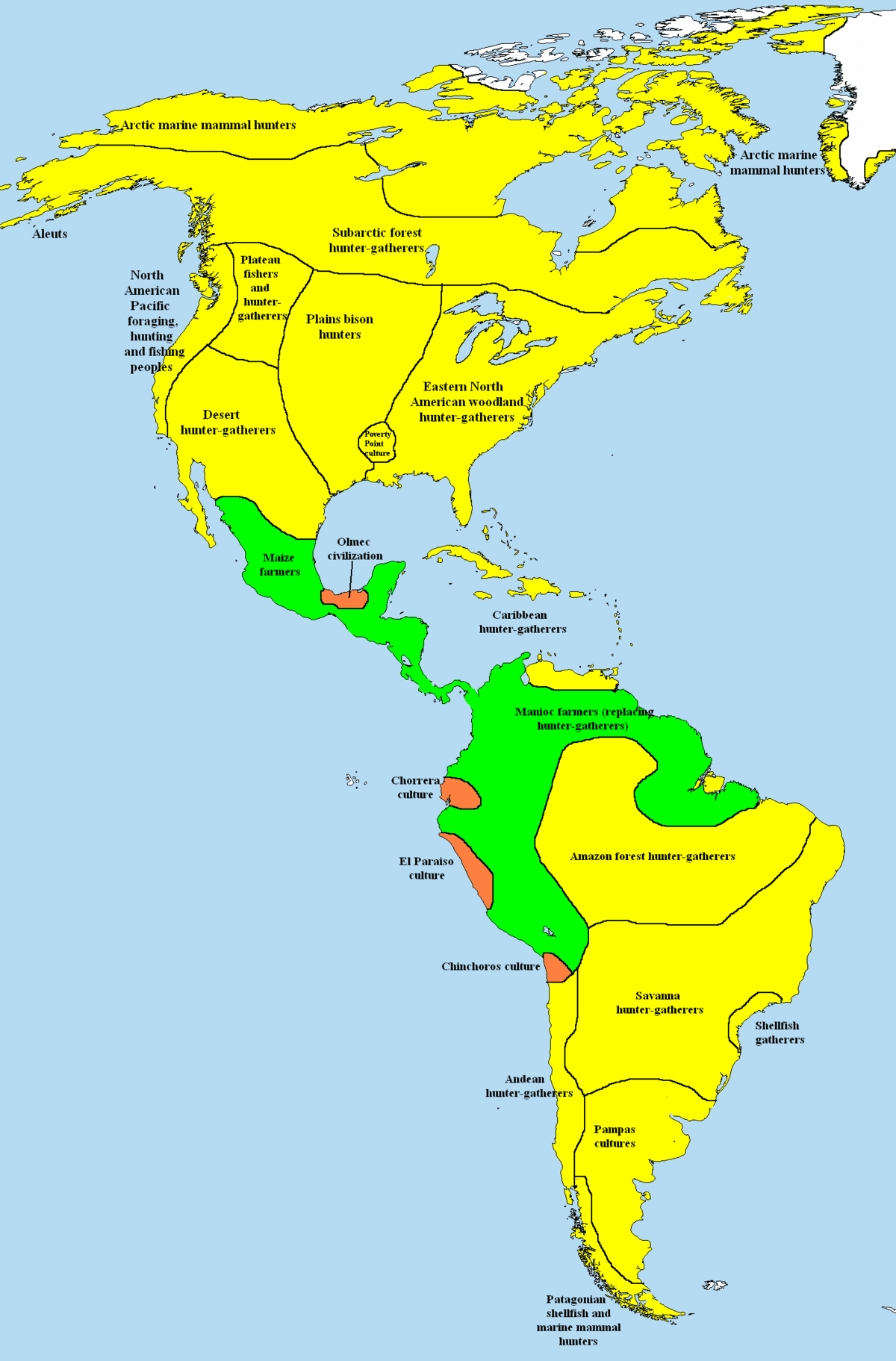
Before European arrival, hundreds of distinct indigenous cultures thrived across North America, each with unique governance systems, spiritual practices, and ways of life. Oral traditions served as the primary method for preserving history, knowledge, and cultural values. Complex kinship systems and clan structures organized social life, while sustainable land management practices reflected deep, reciprocal connections to the natural environment.
Impact of European Contact
European contact disrupted Native societies on multiple fronts:
- Disease: Epidemics of smallpox, measles, and other foreign diseases killed vast portions of Native populations, collapsing social structures and severing chains of knowledge transmission.
- Forced relocation: Tribes were separated from ancestral lands and confined to reservations, cutting them off from traditional resources and sacred sites.
- Economic disruption: European trade goods and technologies reshaped traditional economic and subsistence patterns, creating dependency on outside markets.
- Religious pressure: Christian missionaries actively challenged indigenous spiritual beliefs, often with government backing.
Forced Assimilation Policies
The U.S. government pursued systematic policies designed to eradicate Native American cultures and force absorption into mainstream society. These policies attacked language, family structure, and community bonds simultaneously.
Boarding School System
Starting in the late 19th century, the federal government established boarding schools built around the philosophy of "Kill the Indian, save the man" (a phrase attributed to Captain Richard Henry Pratt, founder of Carlisle Indian Industrial School in 1879). Children were forcibly removed from their families, sometimes for years at a time. Schools prohibited indigenous languages and cultural practices, enforced Western dress and customs, and used harsh punishment to stamp out any expressions of Native identity. The result was deep generational trauma and massive loss of cultural knowledge, as children returned home unable to communicate with elders or participate in traditional life.
Relocation Programs
The Urban Relocation Program (1952) encouraged Native Americans to leave reservations for cities with promises of job training and better living conditions. In practice, many relocatees found themselves isolated from tribal communities and cultural support systems, living in unfamiliar urban environments with few of the promised opportunities. This created a new population of urban Native Americans facing distinct identity challenges, caught between reservation life and a mainstream culture that often rejected them.
Language Suppression
Language suppression was one of the most effective tools of forced assimilation. Native languages were banned in schools and government settings. Children in boarding schools were punished for speaking their native tongues. This broke the chain of intergenerational transmission, since oral traditions, ceremonies, and cultural knowledge were all embedded in language. The decline in fluent speakers accelerated rapidly through the 20th century.
Loss of Traditional Practices
Forced assimilation didn't just target language. It eroded entire ways of life, from spiritual practices to food systems.
Religious Ceremonies vs. Christianity
The federal government outright banned key ceremonies. The Sun Dance and Ghost Dance were criminalized, and practitioners faced arrest. Christian missionaries worked to convert Native communities, often with government support. Over time, some syncretic practices emerged that blended indigenous and Christian beliefs. Legal protections came much later: the American Indian Religious Freedom Act (1978) formally protected the right to practice traditional religions, and the Native American Church, which incorporates peyote in its ceremonies, has fought for and won legal recognition.
Traditional Medicine vs. Western Medicine
Colonial authorities dismissed or outlawed indigenous healing practices. Western medicine was imposed, often without sensitivity to cultural beliefs. Knowledge of traditional medicinal plants and healing techniques faded as elders passed away without apprentices. Today, some tribal health services are working to integrate traditional and Western medicine, recognizing that both have value.
Subsistence Patterns vs. Wage Labor
Land dispossession destroyed traditional hunting, gathering, and agricultural practices. Communities were forced into wage labor and cash economies they had no preparation for. Traditional ecological knowledge declined as people could no longer practice it. The dietary shift away from traditional foods toward processed commodities (often distributed through government rations) contributed to sharp increases in diabetes, heart disease, and obesity in Native communities.
Land Dispossession
Loss of land wasn't just an economic blow. For Native peoples, land is inseparable from identity, spirituality, and cultural practice. Systematic removal from ancestral territories fundamentally altered every aspect of community life.
Reservation System
Reservations were established to confine tribes to specific, often undesirable areas with limited resources. This disrupted traditional migration patterns, cut off access to sacred sites, and imposed artificial boundaries that ignored how tribes had actually organized their territories.

Allotment and Land Loss
The Dawes Act (1887) divided communal tribal lands into individual allotments, typically 160 acres per family head. "Surplus" lands were then opened to non-Native settlers. This policy was devastating:
- It undermined communal land-use traditions central to tribal governance
- Fractionated ownership made land management increasingly difficult over generations
- By the time the Indian Reorganization Act (1934) halted allotment, Native Americans had lost roughly two-thirds of their land base (from 138 million acres to about 48 million)
Urban Migration Consequences
Economic pressures and relocation programs pushed many Native Americans into cities. Urban migrants often faced discrimination and cultural isolation. Maintaining tribal connections and cultural practices became difficult without community support. Over time, urban Native American organizations and communities formed, but the challenges of distance from tribal homelands remained.
Intergenerational Trauma
The accumulated weight of colonization, forced assimilation, and cultural loss doesn't simply fade with time. Historical trauma refers to the collective emotional and psychological wounding that carries across generations, and it remains one of the most significant forces shaping Native American communities today.
Historical Trauma Transmission
Trauma passes through families in concrete ways. Parents who attended boarding schools often lacked models for nurturing family life, since their own childhoods were defined by institutional control. Unresolved grief manifests as social and psychological distress, affecting parenting, family dynamics, and community relationships. This contributes to persistent cycles of poverty and social disruption.
Mental Health Implications
Native Americans experience higher rates of depression, anxiety, and PTSD compared to the general U.S. population. Cultural disconnection and identity confusion are significant contributing factors. Access to culturally appropriate mental health services remains limited, especially on remote reservations. Stigma around mental health in some communities adds another barrier to treatment.
Substance Abuse Issues
Rates of alcohol and drug abuse are disproportionately high in Native communities, often functioning as coping mechanisms for unresolved trauma and cultural loss. Substance abuse strains family structures and community well-being. Increasingly, tribes are developing culturally grounded treatment programs that incorporate traditional healing practices, ceremony, and community support alongside clinical approaches.
Cultural Revitalization Efforts
Despite centuries of suppression, Native communities are actively reclaiming their heritage. These efforts target the very things assimilation policies tried to destroy: language, cultural knowledge, and self-governance.
Language Preservation Programs
Language revitalization has become a top priority for many tribes. Approaches include:
- Immersion schools and language nests that teach children entirely in indigenous languages from an early age
- Master-apprentice programs that pair remaining fluent elders with younger learners for intensive one-on-one transmission
- Digital tools like language-learning apps and online dictionaries
- Incorporation of indigenous languages into public signage and official tribal documents
These efforts are urgent. Many indigenous languages have fewer than a dozen fluent speakers remaining, all of them elderly.
Cultural Education Initiatives
Tribal colleges and universities (there are now over 30 accredited institutions) offer courses in Native history, language, and culture. Some public school districts are integrating indigenous knowledge into K-12 curricula. Cultural camps and workshops teach traditional arts, crafts, and practices to younger generations. Digital technologies are also being used to archive and share cultural knowledge more broadly.
Tribal Sovereignty Movements
Strengthening self-governance is central to cultural survival. Tribes are pursuing this through:
- Legal battles to protect treaty rights and land claims
- Development of tribal enterprises (gaming, energy, agriculture) to build economic self-sufficiency
- Advocacy for greater federal and state recognition of tribal sovereignty
- Expanding the scope of tribal courts and governance institutions
Contemporary Identity Challenges
Defining and maintaining cultural identity involves complex questions that don't have easy answers. Several ongoing debates illustrate this tension.
Blood Quantum Debates
Blood quantum is a system that determines tribal membership based on the percentage of Native ancestry a person carries. The federal government originally imposed this system, and many tribes still use it. Critics argue it reinforces colonial concepts of race, reduces identity to a fraction, and can exclude people with strong cultural ties but a blood quantum below the threshold. Some tribes are shifting toward alternative criteria, such as lineal descent (proving direct ancestry to a tribal member on historical rolls) or cultural participation.

Tribal Enrollment Controversies
Who counts as a tribal member? This question carries real consequences, since enrollment affects access to health care, education, housing, and voting rights within tribal governance. Disenrollment disputes can tear families and communities apart. Tribes must balance preserving a distinct tribal identity with inclusivity and fairness.
Cultural Appropriation Issues
The misuse and commodification of Native American cultural symbols remains a persistent problem. Sports mascots, Halloween costumes, and the commercial sale of "Native-inspired" products reduce living cultures to stereotypes. Debates over non-Native use of indigenous spiritual practices (such as sweat lodges or smudging ceremonies) raise questions about respect and boundaries. Native communities and advocates are pushing for stronger protections of indigenous intellectual property and greater public education about why appropriation causes harm.
Impact on Native American Youth
Young Native Americans navigate a particularly difficult space, forming their identities at the intersection of traditional culture and mainstream American society.
Identity Formation Struggles
Native youth often face pressure to balance traditional cultural values with modern societal expectations. Stereotypes and misconceptions about what it means to be Native American complicate this process. Many young people navigate multiple cultural identities simultaneously: their specific tribal identity, a broader pan-Indian identity, and their identity as Americans. Positive role models and cultural mentors play a critical role in helping youth develop a strong, grounded sense of self.
Educational Disparities
Native American students have some of the lowest high school graduation rates in the country. Many public schools offer little to no culturally relevant content about Native peoples. Access to higher education is limited on many reservations, though tribal colleges help fill this gap. Creating culturally supportive educational environments, where Native students see their histories and cultures reflected in what they learn, is a key factor in improving outcomes.
Suicide Rates Among Youth
Native American youth have the highest suicide rates of any ethnic group in the United States. Contributing factors include historical trauma, poverty, geographic isolation, and cultural disconnection. Culturally grounded prevention programs that promote cultural pride, community connection, and resilience have shown promise as protective factors. This is one of the most urgent issues facing Native communities today.
Legal and Political Dimensions
Federal law has shaped Native American cultural identity in profound ways, both destructive and protective. Several key pieces of legislation directly address cultural preservation.
Indian Child Welfare Act
The Indian Child Welfare Act (ICWA), passed in 1978, responded to a crisis: studies found that 25-35% of Native children were being removed from their families by state agencies, and the vast majority were placed in non-Native homes. ICWA gives tribal courts jurisdiction over child custody cases involving tribal members and establishes a preference for placing Native children with relatives, tribal members, or other Native families. The goal is to keep children connected to their cultural heritage. ICWA has faced ongoing legal challenges, including a major Supreme Court case (Haaland v. Brackeen, 2023) that ultimately upheld the law's constitutionality.
Native American Graves Protection and Repatriation Act
NAGPRA (1990) requires federal agencies and institutions receiving federal funding to return Native American cultural items, sacred objects, and human remains to affiliated tribes. Before NAGPRA, thousands of Native remains and artifacts sat in museum collections without tribal consent. The law provides a formal repatriation process, though implementation has been slow and disputes over certain collections continue.
Self-Determination Policies
The Indian Self-Determination and Education Assistance Act (1975) marked a major policy shift, increasing tribal control over federal programs that served their communities. Self-governance compacts allow tribes to manage their own affairs with greater autonomy. This framework represents a move away from the paternalism of earlier federal policy, though tensions between self-determination and the federal government's trust responsibilities remain.
Media Representation
How Native Americans are portrayed in media shapes public perception and, in turn, affects policy, funding, and everyday interactions.
Stereotypes in Popular Culture
Harmful stereotypes persist in films, TV, literature, and advertising. The "noble savage," the "Indian princess," and the "vanishing Indian" are tropes that flatten hundreds of distinct cultures into a single, inaccurate image. Sports mascots like the former Washington "Redskins" (renamed the Commanders in 2022) and the Cleveland "Indians" (renamed the Guardians in 2022) have been focal points of this debate. These representations affect how Native people see themselves and how non-Native people understand Native communities.
Native Voices in Modern Media
Representation is growing. Native American filmmakers, writers, and artists are gaining wider audiences. The FX series Reservation Dogs (2021-2023), created by Sterlin Harjo (Seminole/Muscogee) and Taika Waititi, broke ground as a show written and directed almost entirely by Indigenous creators. Indigenous-led media outlets provide authentic coverage of Native issues. Social media platforms have given Native people direct channels to share their stories and challenge misconceptions.
Digital Preservation of Culture
Digital technologies offer new tools for cultural preservation: online language archives, recorded oral histories, and virtual reality projects that recreate historical environments. These resources can reach community members who live far from their tribal homelands. A key challenge is balancing open access with the need to protect sacred or culturally sensitive information that was never meant for public consumption.
See Fiveable more often in Google
Mark Fiveable as a preferred source and Google is more likely to show you our guides in Top Stories, with a "preferred" badge in AI Mode and AI Overviews.