10.7 Contemporary Native American art

🏹Native American History Unit 10 Review
10.7 Contemporary Native American art
🏹 Native American History
Contemporary Native American art blends traditional aesthetics with modern techniques, reflecting cultural resilience and adaptation. This movement, emerging after World War II, represents a shift from ethnographic artifacts to recognized fine art, reshaping how Native American creative expression is understood and valued.
Origins of contemporary movement
The roots of contemporary Native American art lie in a generation of artists who refused to be confined by outsiders' expectations of what "Indian art" should look like. Rather than producing work that fit neatly into ethnographic categories, these artists insisted on being recognized as fine artists engaging with the full range of modern creative practice.

Top images from around the web for Post-World War II influences
T. C. Cannon - Wikipedia View original
Is this image relevant?
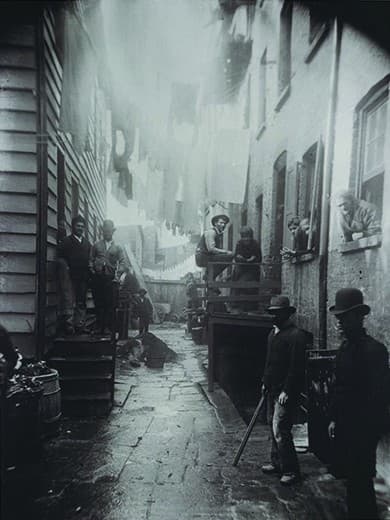
Urbanization and Its Challenges – US History II View original
Is this image relevant?
Denver Art Museum Contemporary Native American Art Collect… | Flickr View original
Is this image relevant?
T. C. Cannon - Wikipedia View original
Is this image relevant?
Urbanization and Its Challenges – US History II View original
Is this image relevant?
Post-World War II influences
- Increased urbanization of Native Americans through federal relocation programs brought artists into contact with urban art scenes and new perspectives
- The G.I. Bill gave Native veterans access to formal art training at universities and art schools, exposing them to movements like Abstract Expressionism and Pop Art
- Civil rights movements of the era inspired Native artists to address social and political issues directly in their work
- Modern art's emphasis on bold colors and abstract forms gave Native artists new visual tools to reinterpret traditional motifs
Native American Renaissance
Starting in the 1960s, a broad cultural resurgence took shape across Native communities. The establishment of the Institute of American Indian Arts (IAIA) in Santa Fe in 1962 was a turning point, creating a space where Native students could study contemporary art while drawing on their own traditions. N. Scott Momaday's Pulitzer Prize-winning novel House Made of Dawn (1968) sparked a parallel literary renaissance. Native American art gained increasing visibility in mainstream galleries and museums, and a pan-Indian aesthetic emerged, blending diverse tribal traditions with contemporary forms.
Key themes and motifs
Contemporary Native artists often navigate the tension between traditional culture and modern American society. Their work functions simultaneously as cultural expression, education, and social commentary.
Cultural identity exploration
- Artists examine what it means to be Native American in the modern world, using traditional symbols and imagery to maintain connections with ancestral heritage
- The lasting impact of colonization and forced assimilation appears frequently, as does the experience of urban Native life and the challenge of maintaining cultural ties far from home
- Many works incorporate family histories and personal narratives, making the political deeply personal
Traditional vs modern techniques
- Artists blend traditional forms (beadwork, pottery, weaving) with contemporary mediums like acrylic paint, digital tools, and mixed media
- This isn't simply mixing old and new for novelty. The tension between preserving traditional techniques and embracing innovation is itself a subject many artists explore
- Western art techniques get incorporated while Indigenous aesthetics remain central to the work's meaning
Environmental concerns
- Land rights and environmental degradation are recurring subjects, reflecting the deep connection between Native cultures and specific landscapes
- Artists address climate change's disproportionate impact on Indigenous communities and respond to resource extraction on or near Native territories
- Some artists use natural and recycled materials as a deliberate statement about sustainability
Social justice issues
- Historical trauma, ongoing discrimination, poverty, health disparities, and educational inequalities all appear in contemporary work
- Art serves as a platform for raising awareness about missing and murdered Indigenous women (MMIW), a crisis that has gained broader public attention partly through artistic advocacy
- Native activism and resistance movements are both documented and fueled by artistic expression
Notable contemporary artists
Fritz Scholder
A Luiseño artist, Scholder is best known for his colorful, expressionistic paintings that directly challenged romanticized depictions of Native peoples. His "Indian" series depicted Native Americans in unflinching, sometimes uncomfortable ways, rejecting the noble-savage imagery that dominated popular culture. He incorporated Pop Art elements and bold color palettes, and his willingness to break from traditional styles influenced a generation of Native artists to push past external expectations.
Jaune Quick-to-See Smith
A Salish and Kootenai artist, Smith works in mixed-media painting and printmaking. Her art addresses environmental degradation and Native American representation, combining traditional Native symbolism with pointed political and social commentary. She frequently uses humor and irony to dismantle stereotypes. Smith has also been a vocal advocate for including Native American art in mainstream institutions, pushing galleries and museums to take Indigenous contemporary work seriously.
James Luna
A Luiseño performance artist, Luna is best remembered for Artifact Piece (1987), in which he lay in a museum display case alongside personal items and labels describing his scars, effectively turning the ethnographic gaze back on the viewer. His multimedia installations explored cultural identity, colonization, and the commodification of Native culture. He also addressed difficult subjects like alcoholism's impact on Native communities with unflinching honesty.

Artistic mediums and styles
Contemporary Native American art spans a wide range of mediums. The diversity of approaches allows artists to find the right form for their particular message and cultural perspective.
Painting and sculpture
- Traditional motifs and symbols appear in contemporary painting styles, often using vibrant colors influenced by both Indigenous aesthetics and modern art movements
- Large-scale murals address social and political issues in public spaces
- Sculptors work with traditional materials (wood, stone) alongside modern ones (metal, plastic), exploring both abstract and figurative approaches
Performance and installation art
- The artist's body becomes a medium for exploring Native identity and challenging stereotypes
- Immersive environments draw viewers into Native American experiences rather than keeping them at a comfortable distance
- Some pieces incorporate elements of traditional ceremonies and rituals, while installations often use found objects and natural materials to address environmental concerns
Digital and new media
- Digital photography and video document Native life and traditions on artists' own terms
- Virtual reality experiences explore Indigenous worldviews in immersive formats
- Social media has become a significant platform for sharing and promoting Native art, especially for emerging artists
- Digital animation incorporates traditional storytelling elements, and experimental sound art draws on Native musical traditions
Cultural appropriation debates
Questions of cultural appropriation remain contentious in the contemporary Native American art world, reflecting broader concerns about representation and commodification of Indigenous cultures.
Authenticity vs innovation
What counts as "authentic" Native American art in a contemporary context? This question has no easy answer. Debates arise over whether Native artists using traditional designs in non-traditional ways are innovating or violating cultural protocols. Tribal affiliation, market demands, and community expectations all factor into these discussions. The tension is real: artists want creative freedom, but they also feel responsibility to their communities and traditions.
Non-Native artists' influences
When non-Native artists use Native American imagery or themes, controversies frequently follow. The core issue is power dynamics: who profits, who gets credit, and who controls the narrative. Some see collaborative projects between Native and non-Native artists as a productive path forward, but only when built on genuine relationships and mutual respect rather than surface-level borrowing.
Institutional representation
Museums and galleries
- Major museums increasingly include Native American art in their contemporary collections, not just their anthropology wings
- Native-curated exhibitions and Indigenous curatorial practices are reshaping how this work gets presented
- Repatriation of sacred objects and human remains to Native communities remains an active and sometimes contentious process under laws like NAGPRA (Native American Graves Protection and Repatriation Act)
- Dedicated institutions like the National Museum of the American Indian provide focused platforms for Native art and culture
Art market considerations
- Contemporary Native American art has gained growing recognition and value in the global art market
- The Indian Arts and Crafts Act (1990) makes it illegal to market art as "Native American made" unless the artist is a member of a federally or state-recognized tribe, protecting both artists and consumers
- Native-owned galleries and art fairs (like the Santa Fe Indian Market) support Indigenous artists outside mainstream market structures
- Tensions persist around the commodification of Native culture and spirituality
Impact on Native communities

Economic opportunities
- Art creates income sources for Native artists and artisans, and art-based tourism brings revenue to communities
- Native-owned businesses in art production and distribution have expanded
- Arts education and professional development opportunities within Native communities are growing, though balancing economic gain with cultural preservation remains a constant consideration
Cultural preservation efforts
Art serves as a vehicle for preserving and transmitting traditional knowledge. Contemporary artists revive traditional art forms and techniques, and community art workshops facilitate intergenerational learning. Visual arts document oral histories and cultural practices, and some projects create archives that help preserve Indigenous languages and cultural information for future generations.
Global recognition and influence
International exhibitions
Native American artists now participate in major international events like the Venice Biennale and Documenta. Traveling exhibitions showcase contemporary Native American art worldwide, and collaborations with international museums have increased. Ensuring accurate cultural context in international settings remains a challenge, since audiences abroad may have even less familiarity with Native cultures than domestic ones.
Cross-cultural collaborations
- Artistic exchanges between Native American artists and Indigenous artists from other countries (Australian Aboriginal, Māori, Sámi) address shared concerns like environmental protection and Indigenous rights
- International Indigenous art networks and organizations have developed to support these connections
- Collaborative projects explore diasporic and transnational Indigenous identities, highlighting both common experiences and distinct cultural traditions
Challenges and controversies
Stereotypes in art
Combating stereotypical depictions of Native Americans in popular culture remains an ongoing struggle. Native artists actively subvert and critique harmful stereotypes through their work, while debates over Native American mascots and imagery in sports and advertising continue. Educational initiatives use art to challenge misconceptions, and some artists explore how stereotypes become internalized within Native communities themselves.
Repatriation of artifacts
The return of sacred objects and ancestral remains to Native communities is both a legal process and a deeply emotional one. Artists have responded to the presence of Native artifacts in museum collections through work that questions display practices and ownership. Digital repatriation, where communities gain virtual access to cultural objects held in distant institutions, has emerged as a supplementary approach, though it doesn't replace the return of physical items.
Future directions
Emerging artists
A new generation of Native artists continues to blend traditional and contemporary practices while exploring diverse identities within Native communities, including LGBTQ+, urban, and mixed-heritage perspectives. Interdisciplinary approaches that combine visual arts with music, writing, and other forms are increasingly common, and community-engaged art practices tied to social activism are gaining momentum.
Technological advancements in art
- Virtual and augmented reality technologies are being integrated into Native American art installations
- 3D printing allows artists to recreate traditional objects and explore entirely new forms
- Digital platforms enable broader sharing and preservation of Native art and cultural knowledge
- Questions around AI-generated art, NFTs, and blockchain technology present both opportunities and ethical challenges for Indigenous artists navigating new markets
See Fiveable more often in Google
Mark Fiveable as a preferred source and Google is more likely to show you our guides in Top Stories, with a "preferred" badge in AI Mode and AI Overviews.