12.3 Whole Genome Methods and Pharmaceutical Applications of Genetic Engineering

🦠Microbiology Unit 12 Review
12.3 Whole Genome Methods and Pharmaceutical Applications of Genetic Engineering
🦠 Microbiology
Genomic Methods in Microbiology
Genomic methods give microbiologists the ability to study entire microbial genomes, their RNA transcripts, and their proteins all at once. These approaches have shifted the field from studying one gene at a time to analyzing whole systems, which is critical for understanding how microorganisms function, adapt, and interact with their environments.

Top images from around the web for Applications of omics in microbiology
Frontiers | Omics Approaches to Study Formation and Function of Human Placental Syncytiotrophoblast View original
Is this image relevant?
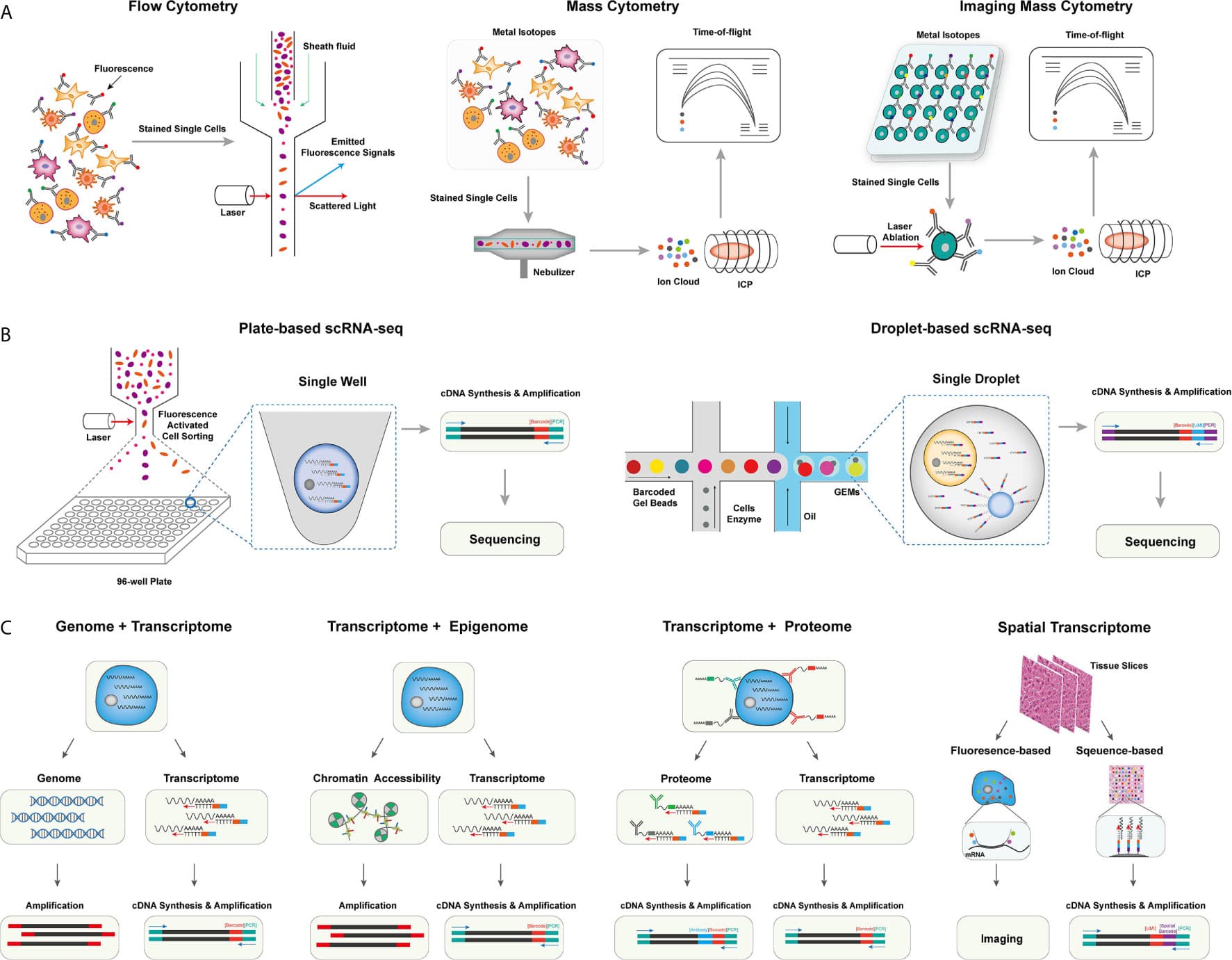
Frontiers | Applications of Single-Cell Omics in Tumor Immunology View original
Is this image relevant?
Frontiers | Applications of Multi-omics Approaches for Exploring the Molecular Mechanism of ... View original
Is this image relevant?
Frontiers | Omics Approaches to Study Formation and Function of Human Placental Syncytiotrophoblast View original
Is this image relevant?
Frontiers | Applications of Single-Cell Omics in Tumor Immunology View original
Is this image relevant?
Applications of Omics in Microbiology
Genomics is the sequencing and analysis of complete microbial genomes. Once you have a full genome sequence, you can identify all the genes an organism carries and predict their functions. Organisms like E. coli and Saccharomyces cerevisiae were among the first to have their genomes fully sequenced. Comparative genomics takes this further by lining up genomes from different species to study evolutionary relationships and adaptations, such as comparing Archaea and Bacteria to understand how they diverged.
Transcriptomics focuses on which genes are actually being expressed at a given moment. A genome tells you what an organism could do; the transcriptome tells you what it's doing right now.
- Researchers use transcriptomics to identify genes actively transcribed in response to specific conditions like heat shock or nutrient limitation
- It reveals regulatory networks that control processes like quorum sensing and biofilm formation
- RNA-seq is the primary high-throughput method for this work. It quantifies expression levels across the entire genome and can also uncover novel transcripts like small RNAs and antisense RNAs
Proteomics examines the complete set of proteins a microorganism produces. Since proteins carry out most cellular functions, this gives you a direct look at what the cell is actually doing at the molecular level.
- Identifies proteins and their roles, from metabolic enzymes to transcription factors
- Maps protein-protein interactions and metabolic pathways (glycolysis, TCA cycle)
- Mass spectrometry-based proteomics can quantify protein abundance and detect post-translational modifications like phosphorylation and acetylation
Metagenomics skips the step of culturing organisms entirely. Instead, you extract and sequence all the genetic material from an environmental sample, whether that's soil, ocean water, or the human gut.
- This approach discovers novel microorganisms that can't be grown in the lab, which is the vast majority of microbial diversity
- It maps microbial community structure and interactions like symbiosis and competition
- Bioinformatics tools are essential here because the datasets are massive and contain DNA from hundreds or thousands of species mixed together

Pharmaceutical Applications of Genetic Engineering
Genetic engineering has transformed how drugs are made. Before recombinant DNA technology, proteins like insulin had to be extracted from animal tissues. Now, therapeutic proteins are produced in engineered host cells at scale, and newer tools like RNA interference open up entirely different strategies for treating disease.

Recombinant DNA for Pharmaceuticals
Recombinant DNA technology works by inserting a gene encoding a therapeutic protein into a host cell, which then produces that protein in large quantities. The choice of host cell matters a lot:
- Bacterial cells (E. coli) grow fast and are easy to manipulate genetically, making them ideal for simpler proteins
- Yeast cells (S. cerevisiae) can perform post-translational modifications that bacteria cannot, which some proteins require to function properly
- Mammalian cells (Chinese Hamster Ovary/CHO cells) produce human-compatible proteins with correct folding and glycosylation, which is essential for complex therapeutics
To get high protein yields, scientists optimize codon usage so the host cell's translation machinery reads the gene efficiently, and they use strong promoters to drive high-level expression.
Once the protein is produced, it needs to be purified. Several chromatography techniques are used, often in sequence:
- Affinity chromatography uses tags (like His-tag or GST-tag) engineered onto the protein so it binds specifically to a column, separating it from everything else
- Size-exclusion chromatography separates proteins by molecular weight
- Ion-exchange chromatography separates proteins based on surface charge
Major recombinant pharmaceutical products include:
- Insulin, produced in E. coli or yeast, for treating diabetes
- Erythropoietin (EPO), produced in CHO cells, for treating anemia
- Monoclonal antibodies produced in CHO cells, such as Herceptin (cancer therapy) and Humira (autoimmune disorders)
High-throughput screening methods are also used alongside these production systems to identify and optimize drug candidates from large compound libraries.
RNA Interference vs Viral Infections
RNA interference (RNAi) is a natural cellular mechanism that silences gene expression by targeting specific mRNA molecules. It works through two main types of small RNA:
- Small interfering RNAs (siRNAs) are 21-23 nucleotide double-stranded RNAs. They bind to complementary mRNA and recruit the RISC complex (RNA-induced silencing complex), which degrades the target mRNA
- MicroRNAs (miRNAs) are endogenous small non-coding RNAs that regulate gene expression by binding to complementary sites in the 3' UTR of target mRNAs, leading to translational repression or mRNA degradation
The antiviral potential of RNAi comes from designing siRNAs that target viral genes essential for replication. If you can degrade viral mRNA before it gets translated, you can block the virus from reproducing.
- siRNAs are designed to target conserved regions of viral genomes, which reduces the chance the virus can mutate around the therapy
- Delivery to infected cells typically uses lipid nanoparticles or viral vectors like adeno-associated virus (AAV)
- Significant challenges remain: off-target effects (silencing the wrong genes), delivery efficiency (getting siRNAs into the right cells), and viral escape mutants (viruses that mutate the target sequence)
Examples of RNAi-based antiviral therapies in development:
- siRNAs targeting influenza virus genes (PA and NP) to inhibit replication
- siRNAs targeting HIV genes (tat and rev) to reduce viral load
- miRNA mimics or inhibitors targeting hepatitis C virus (HCV) to modulate viral replication and host immune responses
Advanced Genetic Engineering Techniques in Pharmaceutical Development
Several newer techniques are expanding what genetic engineering can do for drug development:
- CRISPR-Cas9 enables precise genome editing, both for developing new therapies and for improving the host cells used in drug production
- Gene therapy introduces therapeutic genes directly into a patient's cells to treat or prevent genetic diseases
- Metabolic engineering redesigns biosynthetic pathways in microorganisms so they produce complex pharmaceutical compounds or their precursors
- Pharmacogenomics studies how genetic variation between individuals affects drug responses, which is the foundation of personalized medicine
See Fiveable more often in Google
Mark Fiveable as a preferred source and Google is more likely to show you our guides in Top Stories, with a "preferred" badge in AI Mode and AI Overviews.