23.3 Bacterial Infections of the Reproductive System

🦠Microbiology Unit 23 Review
23.3 Bacterial Infections of the Reproductive System
🦠 Microbiology
Bacterial Pathogens and Sexually Transmitted Infections
Bacterial infections of the reproductive system range from extremely common (chlamydia) to increasingly difficult to treat (gonorrhea). These pathogens target the mucous membranes of the reproductive tract, and many can persist silently in asymptomatic carriers, making transmission and diagnosis a real challenge. This section covers the major bacterial STIs, their diagnosis and treatment, and the role of the vaginal microbiome in preventing infection.

Top images from around the web for Common reproductive bacterial pathogens
Neisseria gonorrhoeae - wikidoc View original
Is this image relevant?
Medical Microbiology View original
Is this image relevant?
Chlamydia trachomatis - wikidoc View original
Is this image relevant?
Neisseria gonorrhoeae - wikidoc View original
Is this image relevant?
Medical Microbiology View original
Is this image relevant?
Common Reproductive Bacterial Pathogens
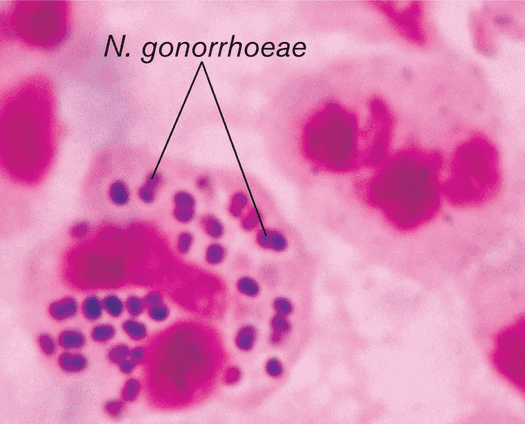
Neisseria gonorrhoeae is a gram-negative diplococcus that causes gonorrhea. It infects mucous membranes of the reproductive tract, throat, rectum, and eyes, leading to inflammation and purulent discharge. Its ability to rapidly develop antibiotic resistance makes it one of the most concerning STI pathogens.
Chlamydia trachomatis is a gram-negative, obligate intracellular bacterium and the most common bacterial STI worldwide. Because it's an obligate intracellular pathogen, it can only replicate inside host cells, which helps it evade the immune system. Serovars D–K specifically cause urogenital infections like urethritis and cervicitis.
Treponema pallidum is a spirochete bacterium that causes syphilis. It's transmitted through direct contact with a syphilitic sore (called a chancre) during sexual activity. Its corkscrew shape allows it to burrow into tissues and eventually disseminate throughout the body if untreated.
Mycoplasma genitalium is the smallest known self-replicating bacterium and notably lacks a cell wall. That missing cell wall means beta-lactam antibiotics (like penicillin) won't work against it. It's associated with urethritis, cervicitis, and pelvic inflammatory disease (PID).
Ureaplasma urealyticum also lacks a cell wall and colonizes the urogenital tract. It may contribute to urethritis, prostatitis, and infertility in both men and women, though its role as a primary pathogen is still debated in some clinical contexts.
Comparison of Major Bacterial STIs
Gonorrhea
- Symptoms include painful urination, purulent discharge (thick, yellow-green), and pelvic pain in women
- Diagnosed using nucleic acid amplification tests (NAATs) on urine or swab samples from the affected area
- Current CDC-recommended treatment is a single intramuscular dose of ceftriaxone (500 mg). Dual therapy with azithromycin was previously standard but was updated in 2020 guidelines due to evolving resistance patterns. Always check current guidelines, as recommendations change.
Chlamydia
- Often asymptomatic, which is why routine screening is so important. When symptoms do appear, they can include vaginal discharge and burning during urination.
- Diagnosed using NAATs on urine or swab samples from the urethra or cervix
- Treated with doxycycline (100 mg twice daily for 7 days), which is now the preferred first-line regimen. Azithromycin (single 1 g dose) is an alternative but has shown slightly lower efficacy.
Syphilis
Syphilis progresses through distinct stages, and recognizing them is a common exam topic:
- Primary — A painless chancre (sore) appears at the site of infection, usually 10–90 days after exposure. It heals on its own, which can give a false sense of recovery.
- Secondary — Weeks to months later, a diffuse rash (often on palms and soles), mucous membrane lesions, and flu-like symptoms develop.
- Latent — No symptoms, but serological tests remain positive. This stage can last years.
- Tertiary — If still untreated, serious neurological (neurosyphilis), cardiovascular, and gummatous complications can develop.
- Diagnosed using serological tests: non-treponemal screening tests (VDRL, RPR) detect antibodies and are confirmed with treponemal-specific tests (FTA-ABS). Darkfield microscopy of chancre fluid can also identify the spirochete directly.
- Treated with intramuscular penicillin G benzathine, with dosage depending on the stage of infection.

Challenges in STI Management
- Antibiotic resistance is a growing crisis, particularly with N. gonorrhoeae, which has developed resistance to nearly every antibiotic class used against it over the decades.
- Asymptomatic carriers are a major driver of transmission. Many people with chlamydia or gonorrhea have no symptoms at all, which delays treatment and spreads infection unknowingly.
- Biofilms formed by some pathogens in the reproductive tract create a physical barrier that shields bacteria from both antibiotics and host immune responses.
- Mucosal immunity in the reproductive tract is unique. The immune environment there must balance pathogen defense with tolerance of sperm and potential pregnancy, which complicates both natural clearance and vaccine development.
Bacterial Vaginosis and the Vaginal Microbiota

Normal Vaginal Microbiota
A healthy vaginal microbiome is dominated by Lactobacillus species, especially L. crispatus and L. gasseri. These bacteria produce lactic acid, keeping vaginal pH low (typically 3.8–4.5). That acidic environment is inhospitable to most pathogens. Lactobacilli also compete with harmful bacteria for nutrients and produce antimicrobial compounds like hydrogen peroxide and bacteriocins.
Bacterial Vaginosis (BV)
BV is not a true infection caused by a single pathogen. Instead, it's a dysbiosis, a shift in the microbial community where the protective Lactobacillus population drops and anaerobic bacteria like Gardnerella vaginalis, Prevotella, and Mobiluncus species overgrow. This shift raises vaginal pH above 4.5, which further favors anaerobic growth in a self-reinforcing cycle.
Symptoms include a thin, grayish-white vaginal discharge with a strong, fishy odor that's especially noticeable after sexual intercourse. BV also increases susceptibility to other STIs and can cause complications during pregnancy.
Diagnosis of BV
Two main diagnostic approaches are used:
1. Amsel Criteria — BV is diagnosed when at least 3 of these 4 signs are present:
- Homogeneous, thin, grayish-white vaginal discharge coating the vaginal walls
- Vaginal pH greater than 4.5
- Positive whiff test: a fishy odor produced when potassium hydroxide (KOH) is added to vaginal discharge (KOH volatilizes the amines produced by anaerobic bacteria)
- Clue cells on wet mount microscopy — these are vaginal epithelial cells so heavily coated with bacteria that their borders appear stippled or obscured
2. Nugent Scoring — A Gram stain of a vaginal smear is scored based on the relative abundance of Lactobacillus morphotypes, Gardnerella/Bacteroides morphotypes, and curved gram-variable rods:
- 0–3 = normal flora
- 4–6 = intermediate flora
- 7–10 = BV
Nugent scoring is considered the gold standard for research, while Amsel criteria are more commonly used in clinical settings because they don't require Gram staining.
See Fiveable more often in Google
Mark Fiveable as a preferred source and Google is more likely to show you our guides in Top Stories, with a "preferred" badge in AI Mode and AI Overviews.