19.4 Immunodeficiency

🦠Microbiology Unit 19 Review
19.4 Immunodeficiency
🦠 Microbiology
Primary and Secondary Immunodeficiencies
Immunodeficiencies weaken the body's ability to fight infections, leaving people vulnerable to pathogens that a healthy immune system would handle easily. They fall into two broad categories: primary (genetic, present from birth) and secondary (acquired later in life). Recognizing which part of the immune system is compromised is key to diagnosing these conditions and predicting which infections a patient will face.

Top images from around the web for Primary vs secondary immunodeficiencies
Frontiers | The Influence of Nutritional Factors on Immunological Outcomes View original
Is this image relevant?
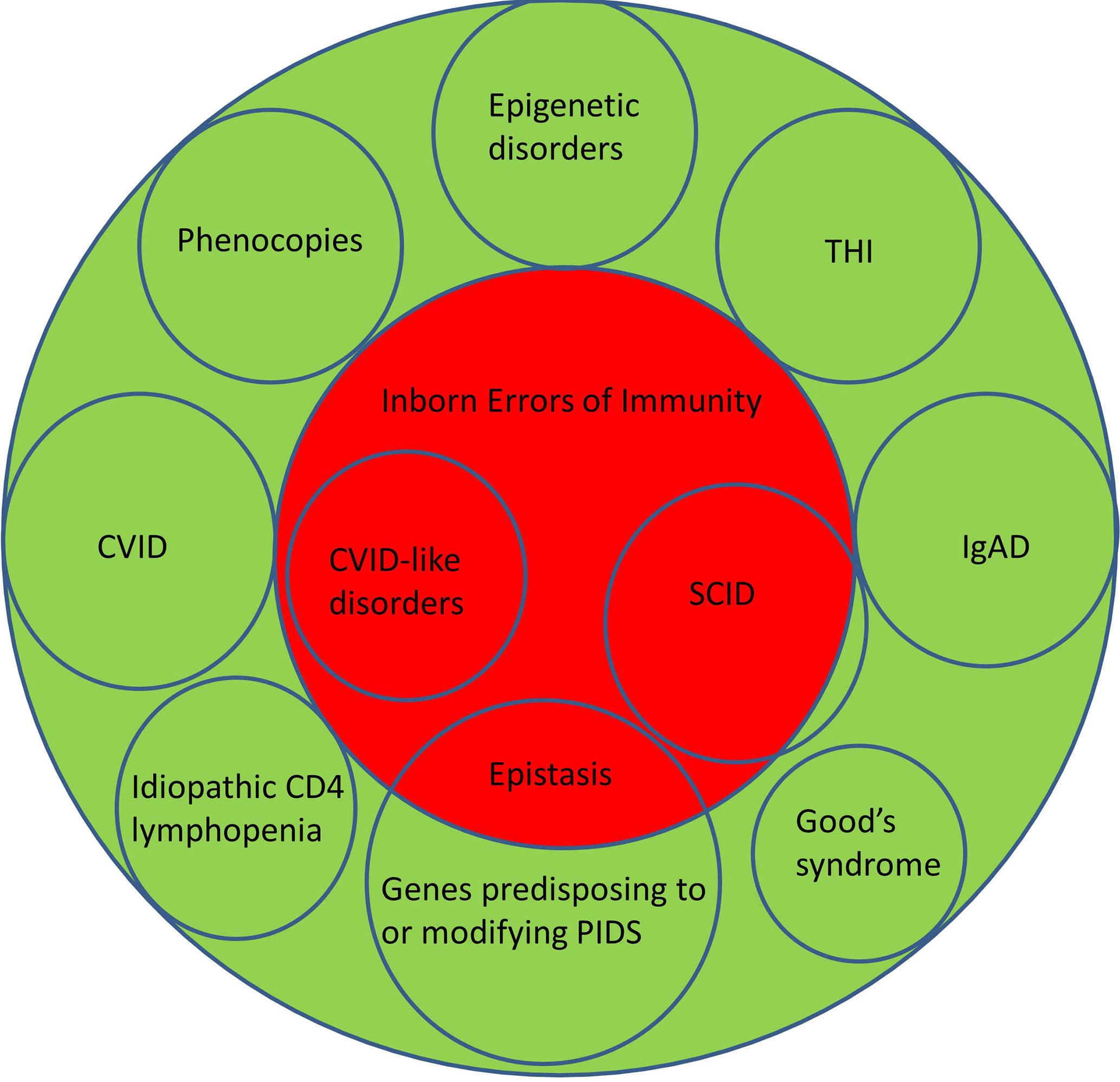
Frontiers | Are All Primary Immunodeficiency Disorders Inborn Errors of Immunity? View original
Is this image relevant?
Frontiers | The Role of Semaphorins and Their Receptors in Innate Immune Responses and Clinical ... View original
Is this image relevant?
Frontiers | The Influence of Nutritional Factors on Immunological Outcomes View original
Is this image relevant?
Frontiers | Are All Primary Immunodeficiency Disorders Inborn Errors of Immunity? View original
Is this image relevant?
Primary vs secondary immunodeficiencies
Primary immunodeficiencies result from inherited genetic defects that are present from birth or early childhood. Because the immune system never develops properly, affected individuals experience:
- Recurrent, unusually severe infections starting early in life
- Infections with organisms that rarely cause disease in healthy people
- Poor response to standard treatments or vaccines
Secondary immunodeficiencies are acquired later in life due to external factors or underlying conditions. The immune system was once functional but becomes compromised. Common features include:
- Weakened immune responses that develop after a known trigger (infection, drug therapy, malnutrition)
- Increased susceptibility to opportunistic infections, which are infections caused by organisms that don't normally threaten people with healthy immune systems
- Often reversible if the underlying cause is treated (except in cases like HIV, where management rather than cure is the current standard)

Types of primary immunodeficiencies
Chronic granulomatous disease (CGD) is a defect in phagocyte function. Normally, phagocytes engulf pathogens and kill them using reactive oxygen species (ROS) through a process called the oxidative burst. In CGD, phagocytes can still engulf microorganisms but cannot produce ROS to destroy them. This leads to:
- Recurrent bacterial and fungal infections, especially with catalase-positive organisms (like Staphylococcus aureus and Aspergillus species)
- Formation of granulomas (clusters of immune cells that wall off pathogens they can't kill) in affected tissues
X-linked agammaglobulinemia (XLA) is a deficiency in antibody production caused by a mutation in the BTK gene on the X chromosome. BTK is essential for B cell development and maturation. Without functional BTK:
- B cells fail to mature, so immunoglobulin (antibody) levels are absent or extremely low
- Patients become highly susceptible to bacterial infections, particularly with encapsulated bacteria like Streptococcus pneumoniae and Haemophilus influenzae, because antibodies are critical for opsonizing these organisms
- Because it's X-linked, XLA predominantly affects males

Causes of secondary immunodeficiencies
HIV/AIDS is the most well-known secondary immunodeficiency. HIV specifically targets and destroys CD4+ T helper cells, which coordinate much of the adaptive immune response. As CD4+ counts drop, cell-mediated immunity collapses, and patients become vulnerable to opportunistic infections like Pneumocystis jirovecii pneumonia and oral/esophageal Candida albicans infections.
Malnutrition impairs immune function through deficiencies in essential nutrients, particularly protein, zinc, and vitamin A. These nutrients are required for immune cell proliferation, antibody production, and maintaining mucosal barriers. Malnutrition is one of the most common causes of secondary immunodeficiency worldwide, especially in developing countries.
Immunosuppressive drugs are used deliberately to dampen the immune system in transplant patients (to prevent organ rejection) or in autoimmune diseases. These drugs suppress immune cell function and antibody production, which increases the risk of opportunistic infections such as cytomegalovirus (CMV) and Epstein-Barr virus (EBV) reactivation.
Certain cancers, particularly hematologic malignancies like leukemia and lymphoma, impair immune function in two ways: the cancer itself disrupts normal immune cell development, and chemotherapy further suppresses the immune system. This creates susceptibility to a broad range of bacterial, fungal, and viral infections.
Components of the immune system affected by immunodeficiencies
Different immunodeficiencies target different arms of the immune system, and knowing which component is affected helps predict the types of infections a patient will encounter.
- Innate immunity includes physical barriers (skin, mucous membranes), phagocytes (neutrophils, macrophages), and the complement system. Defects here, like CGD, lead to problems with the body's first-line, nonspecific defenses.
- Adaptive immunity involves T and B lymphocytes that mount specific responses to particular pathogens. T cell defects (as in HIV/AIDS) impair cell-mediated immunity, while B cell defects (as in XLA) impair antibody-mediated (humoral) immunity.
- Complement system is a cascade of proteins that enhances the ability of antibodies and phagocytes to clear pathogens. Some primary immunodeficiencies involve missing or dysfunctional complement proteins, leading to increased susceptibility to bacterial infections, especially with Neisseria species.
- Antigen presentation is the process by which immune cells (like dendritic cells and macrophages) display foreign antigens on MHC molecules to T cells. Defects in antigen presentation, such as bare lymphocyte syndrome, prevent proper activation of the adaptive immune response.
Clinical pattern to remember: Defects in antibody or complement function tend to cause recurrent bacterial infections, while defects in T cell or cell-mediated immunity tend to cause viral, fungal, and intracellular bacterial infections. This distinction is a useful diagnostic clue.
See Fiveable more often in Google
Mark Fiveable as a preferred source and Google is more likely to show you our guides in Top Stories, with a "preferred" badge in AI Mode and AI Overviews.