19.2 Autoimmune Disorders

🦠Microbiology Unit 19 Review
19.2 Autoimmune Disorders
🦠 Microbiology
Autoimmune Disorders
Autoimmune disorders occur when the immune system mistakenly attacks the body's own tissues. These conditions range from organ-specific (targeting a single tissue) to systemic (affecting multiple organs throughout the body). Understanding the mechanisms behind autoimmunity is central to this unit because it connects immunological tolerance, antigen presentation, and inflammatory pathways to real clinical outcomes.
This section covers the mechanisms that break self-tolerance, the distinction between organ-specific and systemic autoimmunity, environmental triggers, and the key immunological factors that drive these diseases.

Top images from around the web for Mechanisms of autoimmune disorders
Adaptive Immune Response | Biology II View original
Is this image relevant?
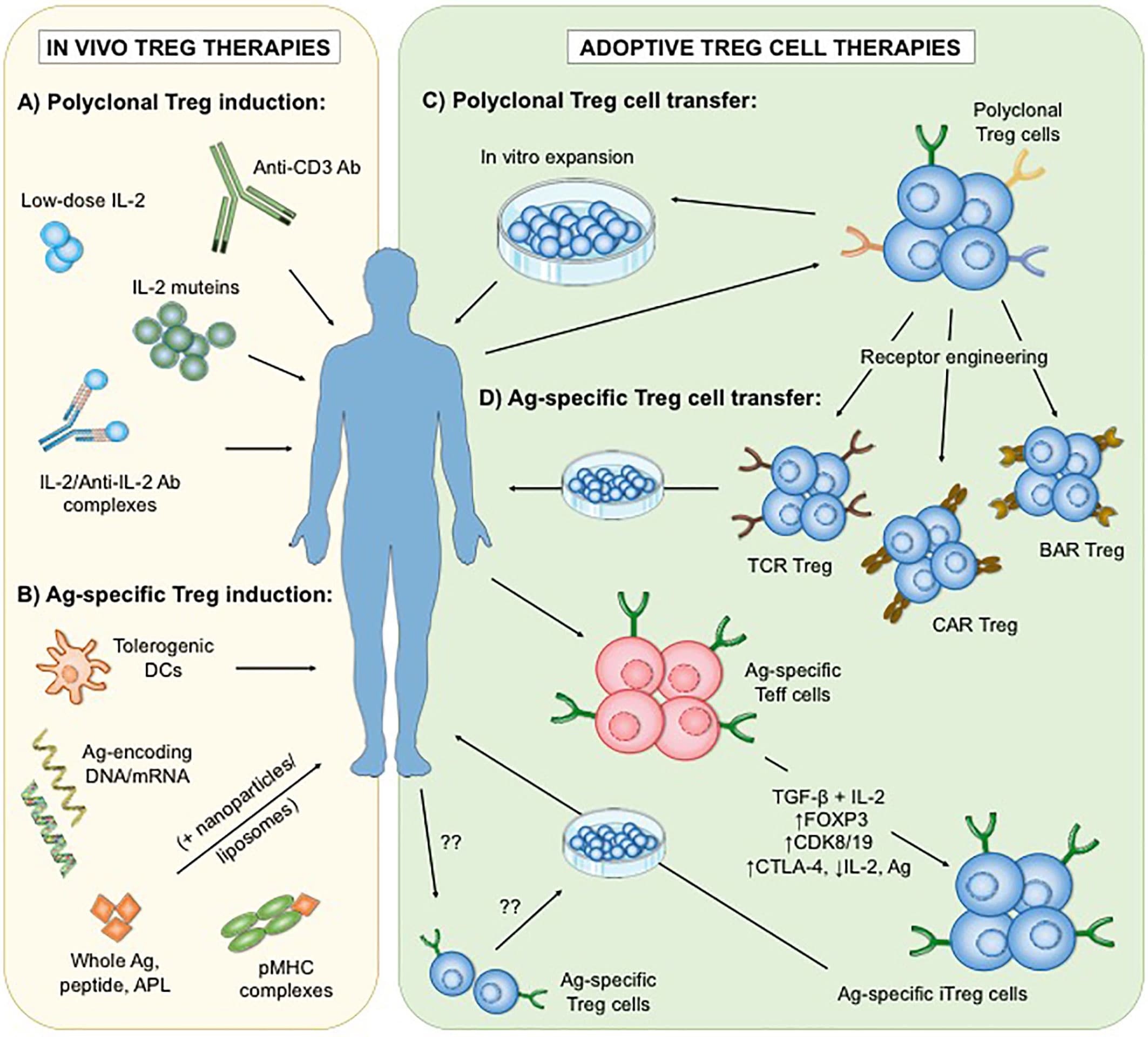
Frontiers | Antigen-Specific Regulatory T Cell Therapy in Autoimmune Diseases and Transplantation View original
Is this image relevant?
Frontiers | Foxp3+ regulatory T cell therapy for tolerance in autoimmunity and solid organ ... View original
Is this image relevant?
Adaptive Immune Response | Biology II View original
Is this image relevant?
Frontiers | Antigen-Specific Regulatory T Cell Therapy in Autoimmune Diseases and Transplantation View original
Is this image relevant?
Mechanisms of Autoimmune Disorders
At its core, autoimmunity results from a failure of self-tolerance, meaning the immune system can no longer reliably distinguish self from non-self. Normally, two layers of tolerance prevent this:
- Central tolerance eliminates self-reactive T and B cells during development. In the thymus, self-reactive T cells undergo clonal deletion (apoptosis). In the bone marrow, self-reactive B cells are eliminated or undergo receptor editing, where they rearrange their antigen receptor genes to lose self-reactivity.
- Peripheral tolerance catches self-reactive cells that escape central tolerance. This works through anergy (functional inactivation of T or B cells that encounter self-antigen without costimulation), immunological ignorance (self-reactive cells never encounter their antigen in sufficient quantity), and suppression by regulatory T cells (Tregs), which secrete immunosuppressive cytokines like IL-10 and TGF-β.
When either layer fails, several specific mechanisms can trigger autoimmunity:
Molecular mimicry occurs when a foreign antigen (from a virus or bacterium) is structurally similar enough to a self-antigen that the immune response cross-reacts with the body's own tissue.
- Streptococcal M protein resembles cardiac myosin, leading to rheumatic heart disease after Group A Streptococcus infection.
- Coxsackievirus B4 shares structural similarity with GAD65, a pancreatic beta cell antigen, and has been implicated in triggering type 1 diabetes.
Bystander activation happens when tissue damage from infection or injury releases sequestered self-antigens that the immune system has never been tolerized to. Antigen-presenting cells (APCs) such as dendritic cells and macrophages pick up these newly exposed self-antigens and present them to autoreactive T cells, sparking an autoimmune response. A classic example is the release of myelin basic protein during neuronal damage, which can drive the autoimmune attack seen in multiple sclerosis.
Epitope spreading describes how the autoimmune response diversifies over time:
- The initial response targets a specific epitope on a self-antigen (the primary epitope).
- Tissue destruction exposes additional epitopes on the same antigen (intramolecular spreading).
- Eventually, T and B cells begin recognizing epitopes on entirely different self-antigens (intermolecular spreading), amplifying and broadening the autoimmune response.
This is one reason autoimmune diseases tend to worsen progressively if untreated.

Organ-Specific vs. Systemic Autoimmunity
Organ-specific autoimmune diseases target a single organ or tissue type:
- Type 1 diabetes involves T cell-mediated destruction of insulin-producing pancreatic beta cells, leading to hyperglycemia because the body can no longer produce insulin.
- Hashimoto's thyroiditis results from autoimmune destruction of the thyroid gland, causing hypothyroidism (low thyroid hormone levels, leading to fatigue, weight gain, and cold intolerance).
- Multiple sclerosis (MS) involves autoimmune attack on the myelin sheath surrounding neurons in the central nervous system. Demyelination disrupts nerve signal transmission, causing vision problems, muscle weakness, and coordination issues.
Systemic autoimmune diseases affect multiple organs or tissues throughout the body:
- Systemic lupus erythematosus (SLE) can cause skin rashes (notably the butterfly-shaped malar rash), arthritis, kidney inflammation (lupus nephritis), neurological issues, and blood cell abnormalities. Anti-double-stranded DNA (anti-dsDNA) antibodies are a hallmark finding.
- Rheumatoid arthritis (RA) primarily targets synovial joints, causing pain, swelling, and eventual joint deformity. It can also produce extra-articular manifestations including rheumatoid nodules, vasculitis, and pericarditis.
- Scleroderma (systemic sclerosis) leads to excessive collagen deposition, causing fibrosis of the skin, blood vessels, and internal organs (lungs, gastrointestinal tract, heart).
The key distinction: organ-specific diseases produce localized damage, while systemic diseases involve immune complex deposition or widespread immune activation affecting multiple organ systems.

Environmental Triggers for Autoimmunity
Genetic predisposition alone is rarely enough to cause autoimmune disease. Environmental factors often serve as the trigger that tips a genetically susceptible individual into active autoimmunity.
Infections can initiate or worsen autoimmune responses through molecular mimicry or bystander activation:
- Epstein-Barr virus (EBV) infection is strongly associated with increased risk of multiple sclerosis. Cross-reactivity between EBV nuclear antigen 1 (EBNA-1) and myelin antigens is one proposed mechanism.
- Group A Streptococcus infection can trigger rheumatic fever through molecular mimicry between streptococcal M protein and cardiac myosin, leading to autoimmune damage to the heart, joints, and brain.
Drugs and chemicals can alter self-antigens or directly stimulate immune cells:
- Procainamide, a cardiac antiarrhythmic drug, can induce a lupus-like syndrome by inhibiting DNA methylation, which increases autoreactive T cell activation.
- Silica dust exposure is associated with increased risk of systemic sclerosis, possibly by inducing apoptosis (releasing self-antigens) or by activating toll-like receptors on immune cells.
Hormones play a significant role in autoimmune susceptibility, which explains why autoimmune diseases are far more common in women:
- Estrogens promote the survival and activation of autoreactive B cells and enhance autoantibody production.
- Androgens (such as testosterone) have immunosuppressive effects and may protect against autoimmunity.
Psychological stress modulates immune function through the hypothalamic-pituitary-adrenal (HPA) axis and the sympathetic nervous system. Acute stress releases cortisol and catecholamines. Chronic stress, however, can dysregulate the HPA axis and shift the balance toward pro-inflammatory responses (Th1, Th17) at the expense of anti-inflammatory responses (Th2, Treg), favoring autoimmunity.
Diet influences the gut microbiome and intestinal permeability, both of which affect immune regulation:
- Gluten triggers an autoimmune response in the small intestine in individuals with celiac disease (associated with HLA-DQ2/DQ8 alleles), leading to villous atrophy and malabsorption.
- High-fat diets can alter the gut microbiome, increase intestinal permeability ("leaky gut"), and promote pro-inflammatory immune responses, increasing the risk of type 1 diabetes in genetically susceptible individuals.
Immunological Factors in Autoimmunity
Several immunological components work together to drive autoimmune pathology:
Autoantibodies are antibodies produced by B cells that target self-antigens. They contribute to tissue damage through complement activation, opsonization, and immune complex formation. Specific autoantibodies are often used diagnostically (e.g., anti-dsDNA in SLE, anti-thyroid peroxidase in Hashimoto's thyroiditis).
Antigen-presenting cells (APCs) process and present self-antigens to T cells via major histocompatibility complex (MHC) molecules. This is a critical step in both initiating and perpetuating autoimmune responses, because without antigen presentation, autoreactive T cells would not become activated.
Cytokines mediate the inflammatory tissue damage characteristic of autoimmune diseases. Pro-inflammatory cytokines like TNF-α, IL-1, and IL-6 drive inflammation and recruit additional immune cells to the site of damage. Anti-inflammatory cytokines like IL-10 and TGF-β normally suppress autoimmune responses, and their deficiency or dysregulation can worsen disease. Many current autoimmune therapies (such as TNF-α inhibitors) target these cytokine pathways directly.
Genetic susceptibility is strongly linked to specific HLA alleles (human leukocyte antigen genes, which encode MHC molecules). Certain HLA alleles influence how self-antigens are presented to T cells, predisposing individuals to particular autoimmune disorders. For example, HLA-DR4 is associated with rheumatoid arthritis, and HLA-DQ2/DQ8 are associated with celiac disease and type 1 diabetes. Genetics alone doesn't cause autoimmunity, but it sets the threshold for how easily environmental triggers can break tolerance.
See Fiveable more often in Google
Mark Fiveable as a preferred source and Google is more likely to show you our guides in Top Stories, with a "preferred" badge in AI Mode and AI Overviews.