17.5 Inflammation and Fever

🦠Microbiology Unit 17 Review
17.5 Inflammation and Fever
🦠 Microbiology
Inflammation and Fever
Inflammation is the body's rapid, nonspecific response to tissue damage or infection. It recruits immune cells, contains harmful agents, and sets the stage for tissue repair. Fever works alongside inflammation as a systemic defense that raises body temperature to inhibit microbial growth and enhance immune function. Together, these responses form a critical part of innate immunity, but both can become harmful when poorly regulated.

Top images from around the web for Signs and causes of inflammation
Frontiers | The Importance and Control of Low-Grade Inflammation Due to Damage of Cellular ... View original
Is this image relevant?
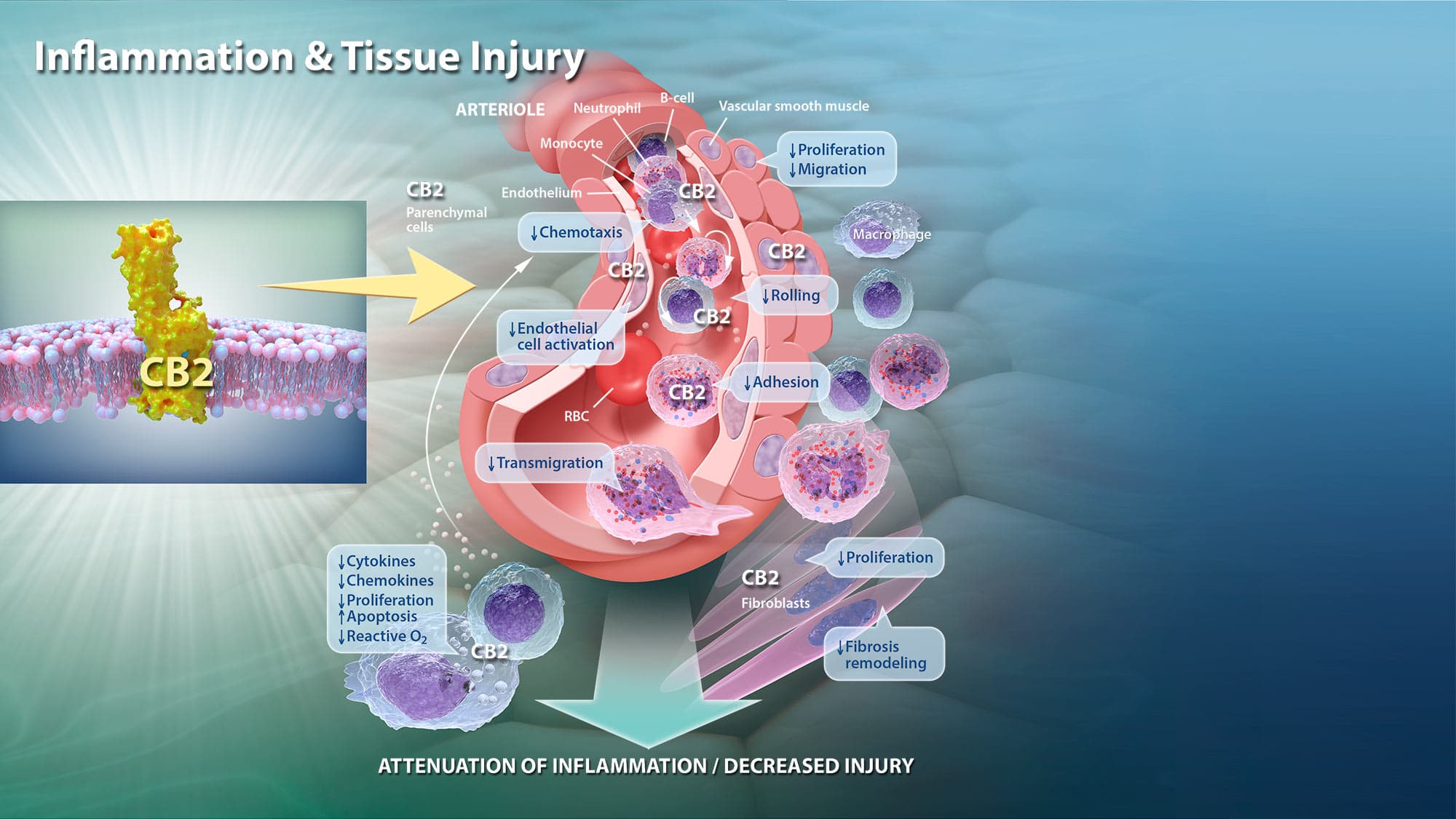
Inflammation & Tissue Injury - Phytecs View original
Is this image relevant?
Frontiers | The Importance and Control of Low-Grade Inflammation Due to Damage of Cellular ... View original
Is this image relevant?
Inflammation & Tissue Injury - Phytecs View original
Is this image relevant?
Signs and Causes of Inflammation
Inflammation produces five cardinal signs, each with a specific physiological cause:
- Redness (rubor): Vasodilation increases blood flow to the affected area, making the tissue appear red.
- Swelling (tumor): Increased vascular permeability allows fluid and proteins to leak into the tissue, causing edema.
- Heat (calor): Increased blood flow and local metabolic activity raise the temperature of the inflamed tissue.
- Pain (dolor): Chemical mediators like prostaglandins and bradykinin stimulate nerve endings. Swelling also puts physical pressure on those nerves.
- Loss of function (functio laesa): The combined effects of pain, swelling, and tissue damage impair normal use of the affected area.
These signs aren't random. They each reflect a specific vascular or cellular change that helps the immune system respond.
What triggers inflammation?
- Infectious agents: bacteria, viruses, fungi, parasites
- Physical injury: trauma, burns, frostbite
- Chemical agents: toxins, irritants, acids
- Immunological reactions: hypersensitivity responses, autoimmune reactions
Fever
Fever is a regulated increase in core body temperature above the normal range (typically above 37.5°C / 99.5°F). It's not the same as simply overheating; the hypothalamus actively resets the body's temperature "set point" higher.
Here's how that process works:
-
Pyrogens (fever-inducing substances) enter the bloodstream or are produced locally.
- Exogenous pyrogens come from microbes. A key example is lipopolysaccharide (LPS) from the outer membrane of Gram-negative bacteria.
- Endogenous pyrogens are cytokines released by the host's own immune cells, including interleukin-1 (IL-1), interleukin-6 (IL-6), and tumor necrosis factor-alpha (TNF-α).
-
These pyrogens act on the hypothalamus, the brain's thermoregulatory center.
-
The hypothalamus raises the temperature set point, triggering responses like shivering and vasoconstriction to generate and conserve heat.
Moderate fever benefits the host by enhancing phagocyte activity and inhibiting the growth of some pathogens. However, very high fevers (above ~40°C / 104°F) can become dangerous, potentially causing protein denaturation and organ damage.

Benefits vs. Risks of Inflammation
Benefits:
- Containment: Inflammation creates physical barriers (fibrin clots, granulation tissue) that wall off the injurious agent and prevent it from spreading.
- Debris removal: Phagocytic cells, especially neutrophils and macrophages, clear damaged tissue, dead cells, and pathogens from the area.
- Initiation of healing: Immune cells recruited to the site release growth factors (PDGF, FGF) and cytokines (TGF-β) that promote tissue repair and regeneration.
Risks:
- Collateral tissue damage: Immune cells release reactive oxygen species (ROS) and proteolytic enzymes (elastase, collagenase) that can destroy healthy tissue surrounding the inflamed area.
- Systemic complications:
- Sepsis: A life-threatening condition where a dysregulated immune response to infection causes widespread organ dysfunction.
- Systemic inflammatory response syndrome (SIRS): A generalized inflammatory response that can occur even without infection, triggered by trauma, pancreatitis, or severe burns.
- Chronic disease: Persistent inflammation contributes to conditions like atherosclerosis (plaque buildup in blood vessels), rheumatoid arthritis, inflammatory bowel disease (Crohn's disease, ulcerative colitis), and neurodegenerative disorders such as Alzheimer's disease.
The takeaway: inflammation is protective in the short term, but the same mechanisms that fight infection can cause serious harm if they persist or spiral out of control.
Acute vs. Chronic Inflammation
| Feature | Acute Inflammation | Chronic Inflammation |
|---|---|---|
| Onset | Rapid (minutes to hours) | Gradual |
| Duration | Days | Weeks, months, or years |
| Intensity | High | Lower but persistent |
| Key cells | Neutrophils, macrophages | Lymphocytes, plasma cells, macrophages |
| Outcome | Usually resolves with tissue repair | Can lead to fibrosis, tissue destruction, loss of function |
Acute inflammation is the immediate response. It features the classic cardinal signs, is driven primarily by neutrophil recruitment, and typically resolves once the threat is eliminated. It also triggers the acute phase response, a systemic reaction that includes fever and changes in plasma protein levels (such as increased C-reactive protein).
Chronic inflammation develops when the inflammatory stimulus persists or the resolution process fails. Over time, it can cause:
- Fibrosis: Excessive deposition of extracellular matrix components (collagen, fibronectin) that can impair organ function. Examples include liver cirrhosis and pulmonary fibrosis.
- Increased cancer risk: Chronic inflammation creates a microenvironment that promotes tumor growth. Colorectal cancer arising from inflammatory bowel disease and hepatocellular carcinoma from chronic hepatitis are well-documented examples.
- Inflammaging: A low-grade, chronic inflammatory state associated with aging that contributes to conditions like osteoarthritis, sarcopenia, and Alzheimer's disease.
Inflammatory Mediators and Processes
Several molecular players and cellular processes drive the inflammatory response:
- Histamine: Released by mast cells and basophils upon tissue injury or allergen exposure. Histamine causes vasodilation and increases vascular permeability, which is why antihistamines reduce swelling and redness.
- Complement system: A cascade of plasma proteins that enhances inflammation in several ways: opsonizing pathogens for phagocytosis, recruiting immune cells via chemotaxis (especially C5a), and directly lysing microbial cells through the membrane attack complex (MAC).
- Leukocyte adhesion cascade: This is the step-by-step process by which white blood cells exit the bloodstream and reach the site of inflammation:
- Margination: Blood flow slows in inflamed vessels, and leukocytes move toward the vessel wall.
- Rolling: Selectins on the endothelial surface loosely bind leukocytes, causing them to roll along the vessel wall.
- Adhesion: Integrins on the leukocyte surface bind tightly to adhesion molecules (ICAMs) on the endothelium, anchoring the cell in place.
- Transmigration (diapedesis): The leukocyte squeezes between endothelial cells and enters the tissue.
- Chemotaxis: Chemical signals (chemokines, complement fragments) guide the leukocyte toward the site of injury.
- Resolution of inflammation: This is an active process, not just the absence of pro-inflammatory signals. Specialized pro-resolving mediators (SPMs), such as lipoxins, resolvins, and protectins, actively shut down neutrophil recruitment, promote macrophage clearance of debris, and restore tissue homeostasis. When resolution fails, chronic inflammation develops.
See Fiveable more often in Google
Mark Fiveable as a preferred source and Google is more likely to show you our guides in Top Stories, with a "preferred" badge in AI Mode and AI Overviews.