5.8 Causes and Effects of Demographic Change

🗳️AP Comparative Government and Politics Unit 5 Review
5.8 Causes and Effects of Demographic Change
🗳️ AP Comparative Government and Politics
5.1
Impact of Global Economic and Technological Forces
5.2
Political Responses to Global Market Forces
5.3
Challenges from Globalization
5.4
Policies and Economic Liberalization
5.5
International and Supranational Organizations
5.6
Adaptation of Social Policies
5.7
Impact of Industrialization and Economic Development
5.8
Causes and Effects of Demographic Change
5.9
Impact of Natural Resources
Demographic change means a shift in a population's size, location, age structure, migration patterns, or social makeup over time. In AP Comparative Government, the key question is political: how do these population shifts affect government resources, legitimacy, policy choices, and social conflict?
Topic 5.8 focuses on causes and consequences. Economic opportunities, land-use changes, government policies, and migration can pull people toward some regions and away from others. Those shifts can deepen class and regional differences, increase demands for infrastructure and housing, and push governments to respond with policies on migration, birth rates, health care, or minority rights.
Demographic Changes
Demographic Changes — Refer to shifts in a population's characteristics over time. These shifts can influence a country's cultural, political, and social norms.
Examples of demographic changes include:
- Growing populations – Increasing birth rates or declining death rates lead to rapid population growth.
- Changing land use and values – Urbanization and industrialization shift the economic significance of different regions.
- Population movements – Economic opportunities drive migration from rural to urban areas (often called rural exodus or urbanization).
- Shifts in racial and ethnic makeup – Immigration and changing birth rates alter the demographic composition of a country.
- Changes in net migration rates – More people entering than leaving, or vice versa, also reshapes population size and composition.
Governments and Shifting Demographics
While demographic changes can occur naturally, government policies can also contribute to or exacerbate them. In some cases, governments enact laws that reinforce social and ethnic divisions. Below are examples from key course countries:
China

China’s government has promoted rapid industrialization, shifting the economy from agriculture (primary sector) to industry (secondary sector). The creation of Special Economic Zones (SEZs) led to large-scale migration from rural areas in the west to urbanized eastern regions, increasing population density in these economic hubs. China encouraged foreign direct investment (FDI) and reduced certain state restrictions on the economy, especially in SEZs. These changes accelerated rural-to-urban and interior-to-coast migration and, as incomes rose, enabled more Chinese to pursue work and educational opportunities abroad. These patterns deepened regional inequality between coastal cities and interior provinces and taxed urban government resources (housing, transport, social services).
Nigeria and Iran
Both countries experience brain drain, which means the emigration of skilled professionals and scholars. In the CED, Iran and Nigeria are examples of countries where highly skilled or well-educated people may leave to escape policies or practices they see as limiting, corrupt, or repressive. This concentrates expertise elsewhere and leaves fewer skilled workers in some home-country sectors.
Mexico
Economic development has driven internal migration from rural southern regions to the more industrialized northern areas. Key factors influencing this demographic shift include:
- North American Free Trade Agreement (NAFTA) – Boosted trade and industrialization in northern Mexico.
- Maquiladora Zones – Foreign-owned factories near the U.S. border attracted workers seeking employment.
- Foreign direct investment – Strengthened industrial growth, concentrating job opportunities in specific regions.
These shifts contributed to greater economic development in the north than in the south and widened regional disparities. The removal of some agricultural supports also pushed rural workers toward cities and the north. Rapid urbanization increased demands on infrastructure and local government resources in receiving regions.
United Kingdom
The UK has experienced positive net migration of immigrants, contributing to social and political tensions, driven by:
- EU membership – Allowed free movement of workers from Europe.
- Political Unrest Abroad – Increased refugee and asylum-seeker populations.
These demographic shifts contributed to political tensions and influenced the UK’s decision to leave the EU (Brexit), as leaders sought more control over migration policies.
Another major issue is the UK’s aging population. Political leaders face increasing constituent demands to reduce the rising costs of health care, which are exacerbated by a declining working-age population bearing higher tax burdens to fund the universal health care system (NHS).
How to Use This on the AP Comparative Government Exam
For AP Comp Gov, do more than define demographic change. Connect the population shift to a political cause or consequence. A strong answer might explain how China's SEZs and foreign direct investment encouraged rural-to-urban and interior-to-coast migration, or how the UK's aging population increases pressure on leaders to manage NHS costs.
This topic is especially useful for comparison. You can compare how Mexico's economic liberalization and China's industrial policy both encouraged internal migration, or how Iran and Nigeria both face brain drain tied to government conditions. Always name the country and link the demographic pattern to a government resource, policy response, legitimacy issue, or political tension.
What Are the Impacts of Shifting Migration Patterns?
While migration can promote economic growth and cultural integration, it also presents challenges, such as:
- Increased crime rates – Certain urban areas may experience social tensions due to population surges.
- Brain Drain – Skilled professionals and scholars may concentrate in one region, leaving others underserved.
- Strain on infrastructure – More people require expanded transportation, housing, and utilities.
- Growth of new political parties that stand against immigration (for example, UKIP in the United Kingdom).
- Supranational organizations (such as the EU) can be perceived as challenging national sovereignty and the government's legitimacy over migration policy.
How Is Citizen Behavior Influenced by Demographic Changes?
Governments often introduce policies to shape population behavior in response to demographic shifts.
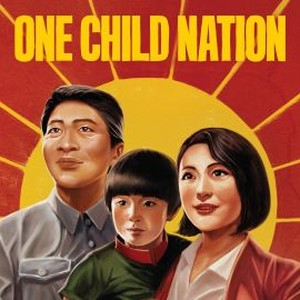
- China’s One-Child Policy (1979-2015) – Implemented to curb overpopulation, this law limited families to one child, later revised due to concerns about aging demographics.
- Religious restrictions in Iran – Certain religious minorities face persecution, with places of worship being demolished to suppress their influence.
Governments worldwide continue to adjust policies in response to shifting demographics, balancing economic needs, political stability, and social cohesion.
In this topic, we learned that demographic changes can affect government resources and force leaders to adapt. In the next guide, we learn more about how natural resources can affect a country's political and economic development.
Practice Questions for 5.8
1 of 10
Between 2000 and 2020 China's urban population rose from 26% to 64% while rural population fell. SEZs expanded along the eastern coast and western agricultural subsidies declined. Which conclusion about government policy and demographic change does this data most support?
A.
Rural decline resulted mainly from lower birth rates rather than migration.
B.
Government policy concentrated industry on the east, pulling rural residents to cities.
C.
Western regions developed faster than the east due to government investments.
D.
Urbanization occurred independently of policy, driven only by natural economic forces.
Vocabulary
The following words are mentioned explicitly in the AP® course framework for this topic.Term | Definition |
|---|---|
aging population | A demographic shift characterized by an increasing proportion of elderly citizens relative to younger populations. |
birth rate policies | Government policies designed to encourage or discourage the number of children born in a population. |
brain drain | The emigration of highly skilled or well-educated individuals from their home countries to seek better opportunities elsewhere. |
demographic changes | Shifts in the composition and distribution of human populations, including changes in size, age structure, and geographic location. |
discrimination against religious minorities | Unfair treatment or prejudice directed at people based on their religious beliefs or practices. |
economic liberalization | Policies that reduce government control over the economy and promote free market principles, including reduced tariffs and deregulation. |
external migration | Movement of people across national borders, including immigration and emigration. |
foreign direct investment | Investment by foreign individuals or companies in productive assets within a country, such as factories, businesses, or infrastructure. |
infrastructure | Basic physical systems and facilities needed to support a population, including transportation, utilities, and public services. |
internal migration | Movement of people within a country's borders, such as from rural to urban areas. |
maquiladora zones | Manufacturing regions, particularly in Mexico, where foreign companies operate assembly plants with special trade and tax privileges. |
net migration rates | The difference between the number of people immigrating into and emigrating from a country or region. |
population density | The number of people living in a given area, typically measured per square unit of land. |
regional disparities | Significant differences in economic development, wealth, and opportunity between different geographic regions within a country. |
rural to urban migration | The movement of populations from countryside and agricultural areas to cities and urban centers. |
special economic zones | Designated geographic areas where governments allow special economic policies, such as reduced regulations or tax incentives, to attract foreign investment and promote economic development. |
universal health care system | A government-funded health care system that provides medical services to all citizens regardless of income. |
working-age population | The portion of a population capable of and available for work, typically defined as individuals between 15 and 64 years old. |
Frequently Asked Questions
What is demographic change in AP Comparative Government?
Demographic change is a shift in population size, age, location, migration patterns, or social makeup. In AP Comp Gov, the focus is how those shifts affect politics and government resources.
What causes demographic change?
Demographic change can be caused by growing populations, changing land use, economic opportunities, migration, government policies, and employment patterns that pull people toward or away from regions.
How does demographic change affect governments?
It can strain housing, infrastructure, health care, and public services. It can also create political tensions, deepen regional inequality, and push leaders to change migration, birth-rate, or welfare policies.
What is brain drain in AP Comp Gov?
Brain drain is the emigration of highly skilled or well-educated people. The CED uses Iran and Nigeria as examples where people may leave because of policies or practices seen as limiting, corrupt, or repressive.
How did economic policy affect migration in Mexico?
NAFTA, maquiladora zones, foreign direct investment, and the removal of some agricultural supports encouraged migration from rural to urban areas and from southern to northern Mexico.
Why does the UK aging population matter politically?
An aging population raises demand for health care while a smaller working-age population faces higher tax burdens to fund the NHS, creating pressure on political leaders.
See Fiveable more often in Google
Mark Fiveable as a preferred source and Google is more likely to show you our guides in Top Stories, with a "preferred" badge in AI Mode and AI Overviews.