2.6 Legislative Systems

🗳️AP Comparative Government and Politics Unit 2 Review
2.6 Legislative Systems
🗳️ AP Comparative Government and Politics
TLDR
Legislative systems in AP Comparative Government cover how each course country's lawmaking body is structured and what it does. China and Iran use unicameral (one-chamber) legislatures, while Mexico, Nigeria, Russia, and the United Kingdom use bicameral (two-chamber) ones. The key skill is describing each legislature's structure and unique powers, then comparing how much real authority each one actually holds.
Why This Matters for the AP Comparative Government Exam
This topic gives you the building blocks for comparing institutions, which is exactly the kind of thinking the exam rewards. You need to describe legislative structures and functions across the six countries and explain how those structures shape policymaking and power.
On the exam, you will make comparisons between concepts and use country evidence to back up your claims. Knowing which chamber holds which power lets you sort countries by category (unicameral vs. bicameral, strong vs. weak legislature) and explain why those differences matter for stability, legitimacy, and how laws get made. That comparison skill carries directly into the free-response and comparative analysis tasks, where vague or irrelevant comparisons lose points.
Key Takeaways
- China and Iran have unicameral legislatures; Mexico, Nigeria, Russia, and the United Kingdom have bicameral legislatures.
- China's National People's Congress is constitutionally the most powerful institution and elects the president, approves the premier, and legitimizes executive policy, but it operates under party control.
- Iran's Majles approves legislation, oversees the budget, and confirms cabinet nominees, all under the supervision of the Guardian Council to ensure compliance with Islamic and Sharia law.
- In Mexico and Nigeria, the upper house (Senate) holds unique powers like confirming appointments; Russia's Federation Council and the UK's House of Lords are appointed bodies with more limited roles.
- Knowing each chamber's unique power (taxes, treaties, confirmations, impeachment) is more useful than memorizing every seat count.
Quick Reference: Legislative Structures
| Country | Type | Legislature | Notable Powers |
|---|---|---|---|
| China | Unicameral, party-controlled | National People's Congress (NPC) | Elects president, approves premier, legitimizes executive policy |
| Iran | Unicameral, theocratic | Majles | Approves legislation, oversees budget, confirms cabinet nominees (under Guardian Council supervision) |
| Mexico | Bicameral, congressional-presidential | Chamber of Deputies + Senate | Deputies: approve legislation, levy taxes, verify elections. Senate: confirm Supreme Court appointments, approve treaties, approve federal intervention |
| Nigeria | Bicameral, congressional-presidential | House of Representatives + Senate | Both approve legislation; Senate has impeachment and confirmation powers |
| Russia | Bicameral, parliamentary-hybrid | State Duma + Federation Council | Duma: passes legislation, confirms PM. Federation Council (appointed): approves budget, treaties, judicial nominees, troop deployment |
| United Kingdom | Bicameral, parliamentary | House of Commons + House of Lords | Commons: approves legislation. Lords (appointed): reviews and delays bills |
Key Terms
- Unicameral: A legislature with one chamber.
- Bicameral: A legislature with two chambers.
- Parliamentary hybrid: A system, used in Russia, where the president is directly elected but appoints a prime minister tied to the lower house (the Duma).
Why Structure Matters
The number of chambers shapes how laws get made.
Unicameral systems (Iran, China)
- Fewer steps can make the legislative process faster and simpler.
- Less duplication between chambers.
- Voters can more easily see who is accountable since there is only one chamber.
Bicameral systems (United Kingdom, Nigeria, Mexico, Russia)
- Bills usually pass through both chambers, which adds checks.
- Two chambers can represent different interests, such as regional or national.
- The process tends to slow rapid, drastic changes.
Keep in mind that structure on paper does not always equal real power. China's NPC is constitutionally powerful but operates under party control, and Russia's legislature has limited independence in practice.
Course Country Breakdown
United Kingdom
Parliamentary system, bicameral legislature.
- House of Commons is the elected chamber and the main seat of power. It approves legislation. The prime minister is the leader of the party or coalition holding the most seats and is formally appointed by the monarch, not directly elected by voters.
- House of Lords is appointed (not directly elected). It reviews and amends bills from the Commons, which lets it delay legislation as a check, but its power is limited.
Because the executive and legislative functions are fused, the prime minister is also a member of Parliament, which makes the Commons especially influential.
Application note: Historically, the Lords once had stronger veto power, but reforms reduced it over time, leaving the chamber mainly able to delay bills rather than block them.
Russia
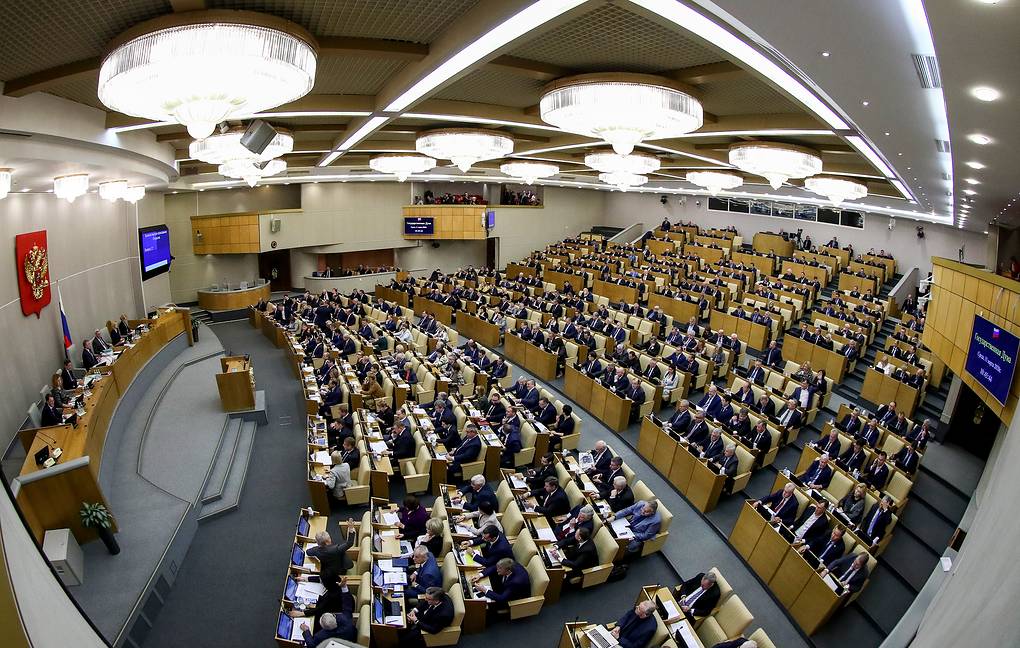
Parliamentary-hybrid system, bicameral legislature.
- State Duma is the elected lower house. It passes legislation and confirms the prime minister.
- Federation Council is the appointed upper house. It approves budget legislation, treaties, judicial nominees, and troop deployment.
Application note: In practice, the executive holds far more power than the legislature. A single dominant party has controlled most Duma seats, and the president can shape outcomes through tools like decrees, so the legislature offers limited real opposition.
Iran
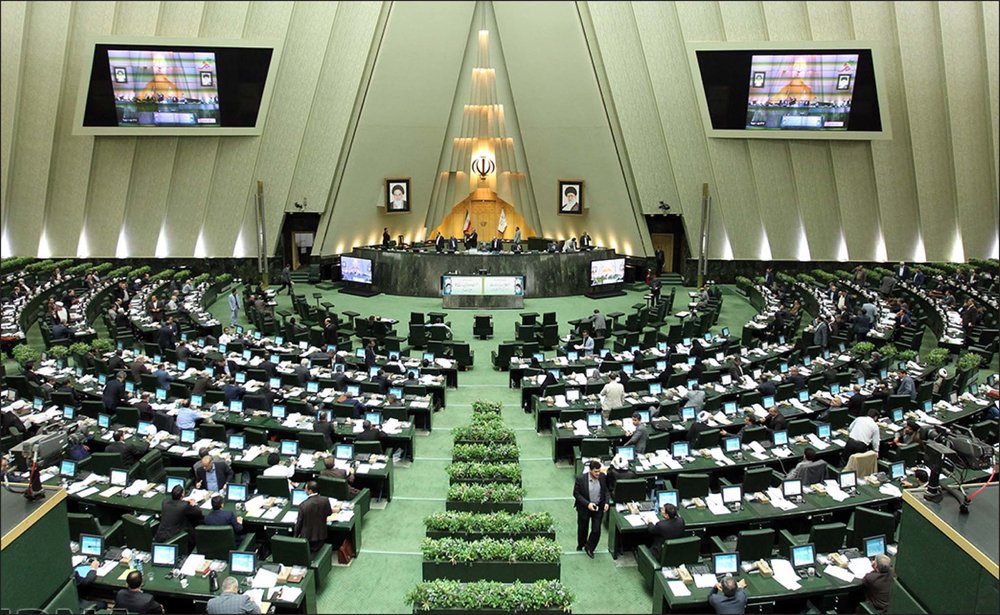
Theocratic system, unicameral legislature.
- Majles is elected and holds the power to approve legislation, oversee the budget, and confirm presidential nominees to the cabinet.
- It operates under the supervision of the Guardian Council, which ensures laws are compatible with Islam and Sharia law.
Application note: The Guardian Council also vets who can run for the Majles, which limits how independent the legislature can be from the Supreme Leader's authority.
Mexico

Congressional-presidential system, bicameral legislature.
- Chamber of Deputies (lower house) approves legislation, levies taxes, and verifies the outcomes of elections.
- Senate (upper house) holds unique powers: it confirms presidential appointments to the Supreme Court, approves treaties, and approves federal intervention in state matters.
Both chambers are elected. The Senate's confirmation and treaty powers give it distinct oversight that the lower house does not have.
China
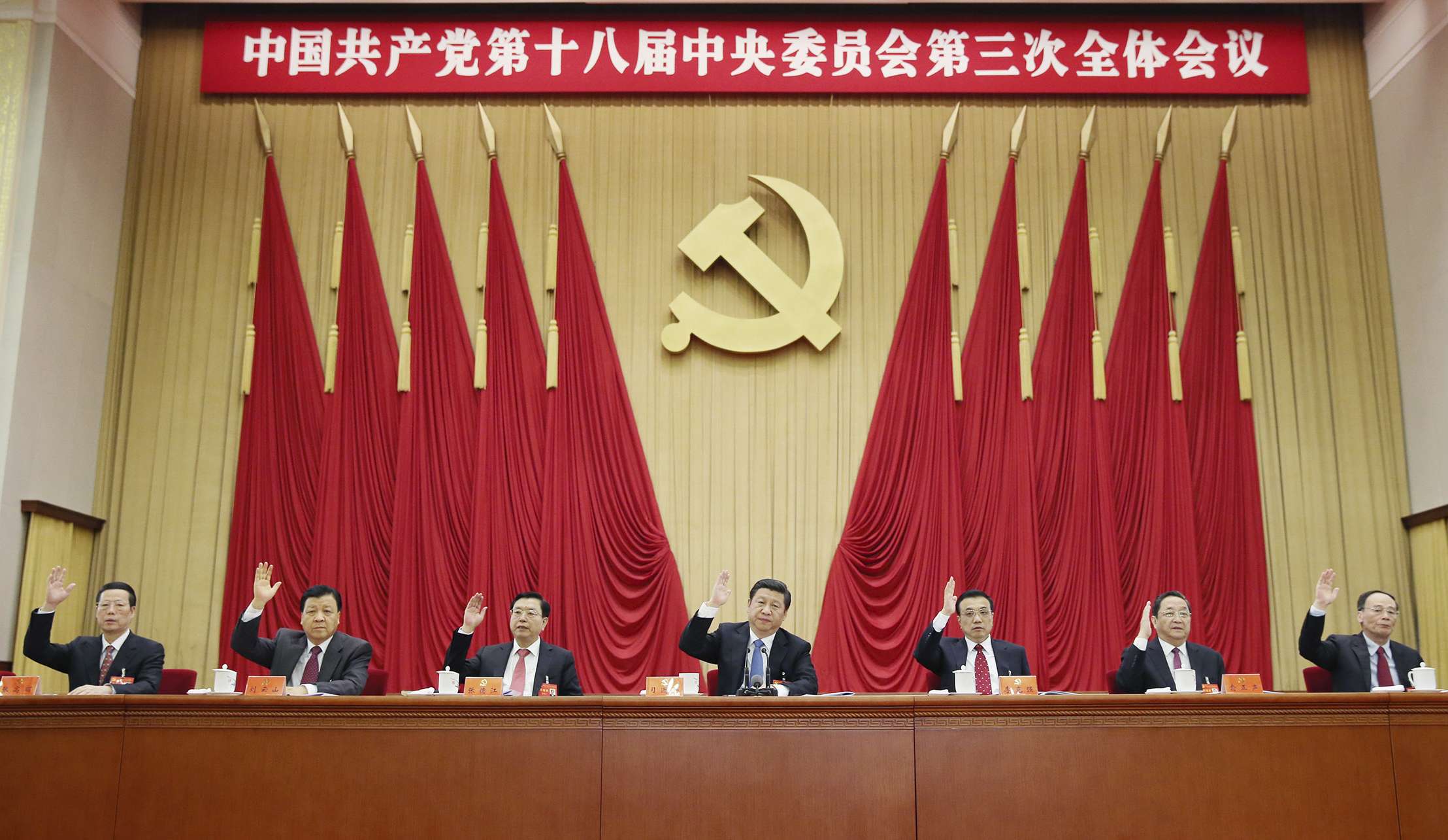
Party-controlled system, unicameral legislature.
- National People's Congress (NPC) is elected and is recognized by the constitution as the government's most powerful institution.
- Its official duties include electing the president, approving the premier, and legitimizing the policies of the executive.
Application note: In practice, the NPC functions under Chinese Communist Party control, and the real center of power sits elsewhere in the party. The NPC's role is largely to formalize and give legitimacy to decisions already made.
Nigeria

Congressional-presidential system, bicameral legislature.
- House of Representatives and Senate are both elected chambers, and both hold the power to approve legislation.
- The Senate has unique impeachment and confirmation powers.
Application note: Nigeria's legislature has grown into a stronger check on the president over time, with the Senate playing a leading role through its confirmation and impeachment authority.
How to Use This on the AP Comparative Government Exam
Free Response
When a prompt asks you to describe a legislature, name the country's chamber(s) and pair each with a specific power. "Mexico's Senate confirms Supreme Court appointments and approves treaties" is stronger than "Mexico has a legislature that makes laws."
Using Sources Effectively
If you get a text source about a legislature, connect the author's perspective to a real structural feature. For example, a source describing a rubber-stamp legislature fits China's NPC operating under party control.
Comparison
Pick a clear category of comparison before you write, such as number of chambers, whether the upper house is elected or appointed, or how much real independence the legislature has. Then explain why the similarity or difference matters. Avoid comparing features the two countries do not actually share.
Common Trap
Do not confuse structure with real power. A legislature can look powerful on paper (China's NPC) but operate under tight party control. Always check whether a chamber's listed power is actually exercised independently.
Common Misconceptions
- Misconception: More chambers always means more power for the legislature.Actually: Not true. The UK's appointed House of Lords and Russia's appointed Federation Council have limited influence even though both countries are bicameral.
- Misconception: China's NPC is weak because it is unicameral.Actually: Its limited independent power comes from party control, not from having one chamber. The constitution actually names it the most powerful institution.
- Misconception: Every upper house does the same thing.Actually: Upper houses have different unique powers. Mexico's Senate confirms Supreme Court appointments and approves treaties; Nigeria's Senate has impeachment and confirmation powers; Russia's Federation Council approves troop deployment and is appointed, not elected.
- Misconception: All these legislatures are directly elected.Actually: The UK's House of Lords and Russia's Federation Council are appointed, not directly elected by voters.
- Misconception: Iran's Majles makes laws freely.Actually: Its legislation is subject to Guardian Council review for compatibility with Islamic and Sharia law, and the Council also vets candidates.
Related AP Comparative Government Guides
Practice Questions for 2.6
1 of 10
Russia's State Duma and the UK's House of Commons are both primary chambers, but their power to check the executive differs. Which best explains the difference?
A.
Commons is stronger because it has more members than the smaller Russian Duma
B.
Commons must retain parliamentary confidence while the Duma answers to an empowered president
C.
Both chambers have equal checks and differences depend only on ruling party supermajorities
D.
Duma lacks power because the Federation Council can override its legislation
Vocabulary
The following words are mentioned explicitly in the AP® course framework for this topic.Term | Definition |
|---|---|
bicameral | A legislative system consisting of two separate chambers or houses. |
Chamber of Deputies | Mexico's elected lower house of Congress that approves legislation, levies taxes, and verifies election outcomes. |
confirmation powers | The legislative authority to approve or reject executive appointments and nominees. |
congressional-presidential system | A system of government in which the legislature and executive are separate branches with distinct powers and responsibilities. |
Duma | Russia's elected lower chamber that passes legislation and confirms the prime minister. |
Federation Council | Russia's appointed upper chamber that approves budget legislation, treaties, judicial nominees, and troop deployment. |
Guardian Council | An Iranian supervisory body that ensures legislative actions are compatible with Islam and Sharia law. |
House of Commons | The elected lower chamber of the United Kingdom's Parliament that approves legislation and the prime minister. |
House of Lords | The appointed upper chamber of the United Kingdom's Parliament that reviews and amends bills from the Commons as a power check. |
House of Representatives | Nigeria's elected lower chamber of Congress that holds the power to approve legislation. |
impeachment | A formal process by which a legislature can remove a government official from office for misconduct or violation of law. |
legislative functions | The powers and responsibilities of a legislative body, such as approving legislation, confirming appointments, and overseeing budgets. |
legislative structures | The organizational framework and composition of a country's legislative body, including whether it is unicameral or bicameral. |
Majles | Iran's elected unicameral legislative body that approves legislation, oversees the budget, and confirms presidential Cabinet nominees. |
National People's Congress | China's unicameral legislative body that elects the president, approves the premier, and legitimizes executive policies. |
parliamentary system | A system of government in which the executive branch is accountable to and derives its authority from the legislative branch. |
parliamentary-hybrid system | A system of government that combines elements of both parliamentary and presidential systems. |
party-controlled system | A legislative system in which a single political party exercises dominant control over the legislative process and institutions. |
Senate | An upper legislative chamber; in Mexico, it confirms Supreme Court appointments, approves treaties, and approves federal intervention in state matters. |
Sharia law | Islamic law derived from the Quran and Islamic tradition that governs religious and civil matters. |
theocracy | A form of government in which religious authority and political authority are unified, with religious law serving as the basis for governance. |
unicameral | A legislative system consisting of a single chamber or house. |
Frequently Asked Questions
What are legislative systems in AP Comparative Government?
Legislative systems are the structures and functions of lawmaking institutions. In AP Comparative Government, you compare whether legislatures are unicameral or bicameral and what powers each chamber has.
Which AP Comparative Government countries have unicameral legislatures?
China and Iran have unicameral legislatures. China has the National People’s Congress, and Iran has the Majles, which operates under Guardian Council supervision.
Which AP Comparative Government countries have bicameral legislatures?
Mexico, Nigeria, Russia, and the United Kingdom have bicameral legislatures. Their upper and lower chambers vary in election method, powers, and independence.
What is the difference between structure and real legislative power?
Structure describes how many chambers exist and what formal powers they hold. Real power depends on whether the legislature can act independently, which is limited in places like China and Russia.
What legislative powers should I know for Mexico and Nigeria?
Mexico’s Senate confirms Supreme Court appointments, approves treaties, and approves federal intervention in state matters. Nigeria’s Senate has confirmation and impeachment powers, while both chambers approve legislation.
How is AP Comparative Government 2.6 tested?
AP Comparative Government 2.6 is tested through country comparisons and institutional descriptions. Use specific chamber names and powers, then explain how those structures affect policymaking or checks on power.
See Fiveable more often in Google
Mark Fiveable as a preferred source and Google is more likely to show you our guides in Top Stories, with a "preferred" badge in AI Mode and AI Overviews.