5.1 Victorian Novel and Social Reform

🧁English 12 Unit 5 Review
5.1 Victorian Novel and Social Reform
🧁 English 12
Victorian Literature and Social Reform
Victorian authors used novels as tools for social criticism. In a period of rapid industrialization, growing inequality, and shifting class structures, fiction became one of the most powerful ways to reach the public conscience. Writers like Dickens and Gaskell didn't just describe poverty; their work directly influenced legislation and public debate.

Top images from around the web for Social reform in Victorian novels
Surgeon Peter Gaskell Critiques the Impact Upon the Work Force of Steam-Powered Mechanization in ... View original
Is this image relevant?
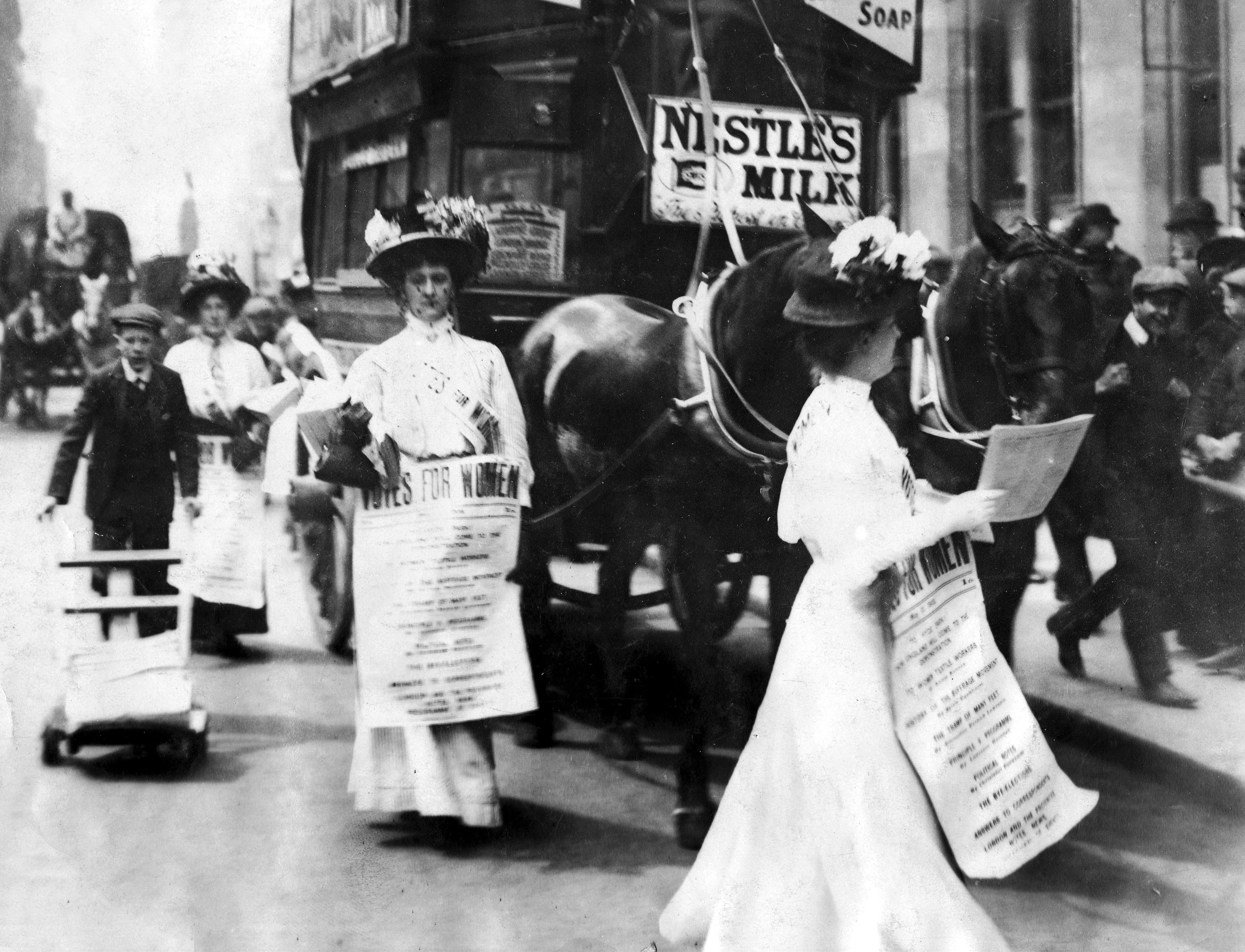
19th Century Feminist Movements | Introduction to Women Gender Sexuality Studies View original
Is this image relevant?
Surgeon Peter Gaskell Critiques the Impact Upon the Work Force of Steam-Powered Mechanization in ... View original
Is this image relevant?
19th Century Feminist Movements | Introduction to Women Gender Sexuality Studies View original
Is this image relevant?
Social Reform in Victorian Novels
Victorian novelists made social critique central to their storytelling. By creating sympathetic characters from the lower classes and describing their hardships in vivid detail, these authors built emotional connections between middle-class readers and people they might never encounter in daily life.
The issues they tackled were specific and urgent:
- Child labor and dangerous working conditions in factories and mines
- Women's legal and social inequality, including lack of property rights
- Education reform, particularly access for the poor
- Class disparities that trapped entire families in cycles of poverty
These novels had measurable impact. Public outcry fueled by fiction contributed to real legislation, including the Factory Acts (which regulated working hours and conditions, especially for children) and the Married Women's Property Act (which gave women the right to own property independently for the first time).
Key authors who served as social commentators:
- Charles Dickens portrayed workhouses, debtors' prisons, and child exploitation across novels like Oliver Twist and Bleak House
- Elizabeth Gaskell depicted the harsh realities of industrial workers in North and South and Mary Barton
- George Eliot explored moral responsibility and the constraints of social expectation in Middlemarch
Themes of Victorian Literature
Victorian novels share several recurring themes worth recognizing:
- Moral and social responsibility: Characters are judged by their duty to others and to society, not just by personal success.
- Realism: Unlike the Romantic period before it, Victorian fiction aimed to depict everyday life with accuracy and detail. Settings, dialogue, and social conditions were drawn from observable reality.
- Social class and mobility: Stories frequently explore rigid class hierarchies and characters' aspirations to rise above their station.
- Gender roles: Novels examined the changing expectations placed on both men and women, often questioning whether those limitations were just.
- Science vs. religion: Darwin's On the Origin of Species (1859) shook Victorian society. This tension between faith and emerging scientific theories appears throughout the literature.
- Gothic elements: The Brontë sisters in particular wove mystery, isolation, and supernatural intrigue into their narratives (Jane Eyre, Wuthering Heights).
A few literary techniques defined the era's fiction:
- Omniscient narration gave authors the ability to comment directly on society while telling the story
- Serialization in periodicals like Dickens' Household Words made novels affordable and accessible to a much wider audience than bound books alone
- Detailed character development and intricate plots kept serial readers coming back week after week

Industrialization and Social Change
Industrialization's Impact on Victorian Writing
The Industrial Revolution transformed every aspect of British life, and Victorian writers documented that transformation in real time. The factory system replaced cottage industries. Railways connected cities that had been days apart. Populations surged into urban centers that weren't built to hold them.
The consequences were stark:
- Overcrowding and pollution made cities like Manchester and London dangerous, especially for the poor
- Sanitation crises led to outbreaks of cholera and typhus
- A growing middle class emerged alongside deepening poverty, creating visible inequality
- The shift from rural to urban life disrupted communities and traditional ways of living
Authors translated these realities into fiction. Dickens' Coketown in Hard Times is a thinly veiled portrait of industrial England, where workers are reduced to interchangeable "Hands." Gaskell set North and South in a Manchester-like mill town, exploring the clash between industrial employers and their workers. These fictional settings gave readers a way to see systemic problems through individual human stories.
Recurring literary themes tied to industrialization include alienation, the mechanization of human life (people treated as parts of a machine), and the loss of traditional values as profit replaced community.
Novels as Catalysts for Change
Victorian novels functioned as a form of mass communication. In an era before television or radio, serialized fiction reached enormous audiences across class lines. This gave novelists unusual cultural power.
Their effectiveness came from emotional appeal. Statistics about factory deaths might not move a reader, but a child character suffering in a workhouse could. By humanizing social issues, novels created empathy that abstract arguments couldn't.
The real-world results were significant:
- Public reaction to depictions of poverty and exploitation fueled support for Factory Acts and Poor Law reforms
- Novels sparked widespread debate in newspapers, Parliament, and drawing rooms alike
- Increased awareness of conditions in workhouses, slums, and factories made ignorance harder to maintain
Victorian social novels also left a lasting legacy. They established the tradition of fiction as social commentary that continues today, and they remain valuable historical documents of what life was actually like for ordinary people during one of the most transformative periods in British history.
See Fiveable more often in Google
Mark Fiveable as a preferred source and Google is more likely to show you our guides in Top Stories, with a "preferred" badge in AI Mode and AI Overviews.