12.1 Elements of the Novel

🧁English 12 Unit 12 Review
12.1 Elements of the Novel
🧁 English 12
Understanding Novel Elements
Novels work by combining a handful of core elements: plot, character, setting, theme, and point of view. Understanding how each one functions on its own, and how they interact with each other, is the foundation for analyzing any novel you'll encounter in this course.

Top images from around the web for Elements of a novel
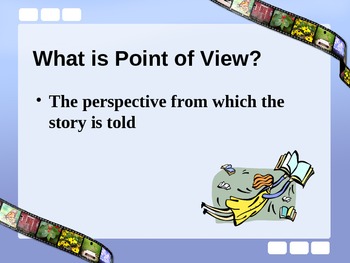
Understanding Point of View PowerPoint by TeacherJBrooks | TpT View original
Is this image relevant?
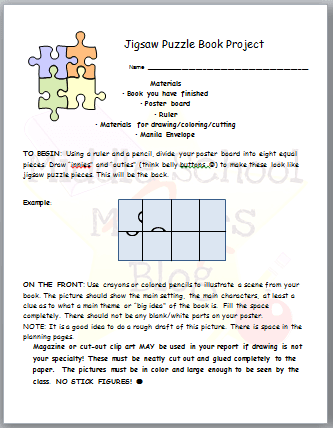
Middle School Matters Blog: Jigsaw Puzzle Book Project View original
Is this image relevant?
Anatomy of a plot — Geo-Python 2017 Autumn documentation View original
Is this image relevant?
Understanding Point of View PowerPoint by TeacherJBrooks | TpT View original
Is this image relevant?
Middle School Matters Blog: Jigsaw Puzzle Book Project View original
Is this image relevant?
Elements of a Novel
Plot structures the narrative's progression. Most plots follow a recognizable arc:
- Exposition introduces the characters, setting, and initial situation.
- Rising action builds tension through conflicts and complications.
- Climax is the turning point where the central conflict reaches its peak.
- Falling action shows the aftermath of the climax.
- Resolution (or denouement) ties up remaining threads and concludes the story.
In The Great Gatsby, for example, the rising action tracks Gatsby's increasingly desperate pursuit of Daisy, the climax erupts during the confrontation at the Plaza Hotel, and the falling action spirals toward tragedy.
Character is what drives a story forward. A few key distinctions to know:
- Protagonist vs. antagonist: The protagonist is the central figure; the antagonist opposes them. These don't always map neatly onto "hero" and "villain."
- Dynamic vs. static: Dynamic characters change over the course of the story. Static characters stay the same. Neither is automatically better; it depends on the character's role.
- Round vs. flat: Round characters have complex, layered personalities. Flat characters are defined by one or two traits. In the Harry Potter series, Harry is round and dynamic, while a character like Crabbe is flat and static.
Setting establishes the world of the novel across three dimensions:
- Time period: historical, contemporary, or futuristic
- Geographic location: real or fictional
- Social environment: the cultural norms, class structures, and values that shape characters' lives
Setting isn't just backdrop. In 1984, the oppressive surveillance state of Oceania doesn't just surround the characters; it dictates nearly every choice they make.
Theme is the central idea or set of ideas a novel explores. Themes are rarely stated outright. Instead, they emerge through patterns in the plot, character decisions, dialogue, and recurring motifs. Common themes include love, mortality, power, and redemption, but what matters in analysis is how a specific novel treats its themes, not just naming them.
Point of view determines whose perspective filters the story for the reader:
- First person: The narrator is a character in the story, using "I." You only know what they know and perceive.
- Second person: The narrator addresses "you." This is rare in novels but creates an unusual sense of immersion.
- Third-person limited: The narrator is outside the story but restricted to one character's thoughts and perceptions.
- Third-person omniscient: The narrator has access to every character's thoughts and can move freely between them.
To Kill a Mockingbird uses first person through Scout's voice, which means the reader experiences Maycomb's racial injustice filtered through a child's understanding. That choice shapes everything about how the novel lands.

Interaction of Novel Elements
These five elements don't operate in isolation. Strong novels create meaning through the way elements reinforce and complicate each other.
- Plot shapes character. Events force characters to act, and those actions reveal who they really are. A character's response to the climax often shows their deepest values.
- Setting influences character behavior. The environment molds what choices are available and what consequences follow. A character in Victorian England faces different social pressures than one in modern New York.
- Point of view filters everything. A first-person narrator can be unreliable, withholding or distorting information. An omniscient narrator can build dramatic irony by letting the reader know things characters don't.
- Theme emerges through conflict. The central conflict tests the novel's ideas. How that conflict resolves (or doesn't) is often where the theme becomes clearest.
- Setting can mirror internal states. This is sometimes called the "pathetic fallacy": a storm during an emotional crisis, a decaying house reflecting a family's decline. Symbolism in setting reinforces theme without the author having to spell it out.
- Character relationships carry theme. The dynamics between characters often embody the novel's central ideas. In The Great Gatsby, Gatsby and Daisy's relationship is the primary vehicle for exploring the theme of the American Dream's corruption.
Comparing and Evaluating Novel Elements
Comparison Across Novels and Subgenres
Different genres use the same core elements in distinct ways. Recognizing these patterns helps you analyze what a novel is doing and why.
Plot structures shift by genre. A mystery novel plants clues and red herrings, building toward a reveal. A romance follows a different arc: the meet-cute, obstacles to the relationship, and eventual resolution. Literary fiction may de-emphasize plot entirely, focusing instead on internal change.
Character archetypes vary. Fantasy often relies on the "chosen one" and the wise mentor. Science fiction might feature the visionary scientist or the alien outsider. These archetypes aren't flaws; they're genre conventions that readers expect and authors can subvert.
Setting carries different weight depending on genre. Historical fiction demands period-accurate detail to feel authentic. Dystopian fiction builds speculative worlds that comment on present-day concerns. In world-building-heavy genres like fantasy and science fiction, setting detail is as important as character.
Theme complexity differs across the literary spectrum. Literary fiction tends to explore themes with more ambiguity and nuance, while genre fiction may treat themes more directly. That said, this isn't a hard rule; plenty of genre novels handle theme with real sophistication.
Point of view trends have shifted over time. Modernist writers like Virginia Woolf experimented with stream of consciousness. Postmodern novels like Infinite Jest challenge traditional narrative structures entirely, using footnotes, fragmented timelines, and multiple voices.
Pacing varies by purpose. Thrillers maintain relentless forward momentum. Literary fiction often slows down to sit with a moment, an image, or an internal realization. Neither approach is superior; each serves its genre's goals.
Evaluating an Author's Techniques
When you're asked to evaluate how effectively an author uses novel elements, focus on these questions:
- Plot: Does the structure maintain coherence and engagement? Are there gaps in logic, or does every event feel connected? Does the pacing match the story's needs?
- Character: Are characters believable and consistent? Do dynamic characters change in ways that feel earned by the plot, not forced? Are their voices distinct from one another?
- Setting: Are descriptions vivid enough to immerse you without overwhelming the narrative? Does the author integrate setting details naturally, or do they stop the story to deliver blocks of description (info-dumping)?
- Theme: Does the novel explore its ideas with subtlety, or does it become preachy? The strongest novels let readers draw their own conclusions rather than telling them what to think.
- Point of view: Does the chosen perspective serve the story? Would a different point of view have been more effective, or does this one give the reader exactly the right amount of information?
A useful principle across all of these: the best technique is the one you don't notice. When plot, character, setting, theme, and point of view work together seamlessly, the reader stays absorbed in the story rather than aware of the author's craft.
See Fiveable more often in Google
Mark Fiveable as a preferred source and Google is more likely to show you our guides in Top Stories, with a "preferred" badge in AI Mode and AI Overviews.