5.3 Realism and Naturalism in Literature

🧁English 12 Unit 5 Review
5.3 Realism and Naturalism in Literature
🧁 English 12
Understanding Realism and Naturalism
Realism and Naturalism emerged as literary movements in the 19th century, fundamentally changing how writers portrayed life. Before these movements, Romantic literature dominated the scene with idealized heroes, dramatic emotions, and nature as a source of spiritual truth. Realism and Naturalism pushed back against all of that, insisting that literature should reflect the world as it actually is.
These movements matter for Victorian-era British literature because they coincided with massive social upheaval. Industrialization, urban poverty, and new scientific ideas were reshaping how people understood themselves and their society. Writers responded by turning their attention to ordinary people, harsh conditions, and uncomfortable truths.

Top images from around the web for Realism vs Naturalism in literature
Chapter 5: Scientific Progress – Introduction to History and Philosophy of Science View original
Is this image relevant?
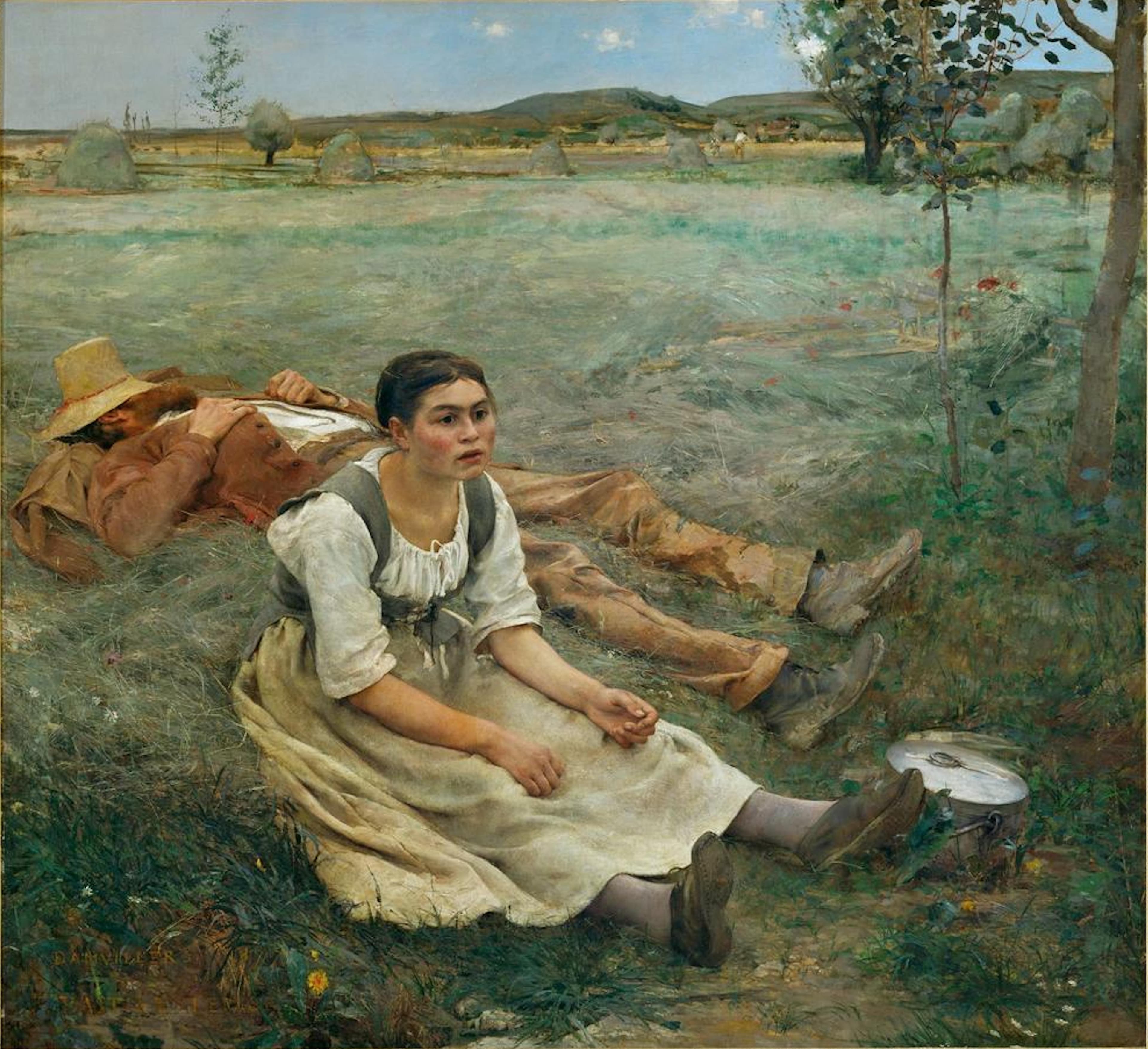
Social Theory and the Realist Impulse in Nineteenth-Century Art | nonsite.org View original
Is this image relevant?
Realizm (incəsənət) — Vikipediya View original
Is this image relevant?
Chapter 5: Scientific Progress – Introduction to History and Philosophy of Science View original
Is this image relevant?
Social Theory and the Realist Impulse in Nineteenth-Century Art | nonsite.org View original
Is this image relevant?
Realism vs. Naturalism in Literature
Realism emerged in the mid-19th century and aimed to depict life authentically, without idealization. Realist writers focused on everyday experiences and ordinary people, from factory workers to farmers to middle-class families navigating social expectations. They relied on objective observation and detailed descriptions of settings and characters to build a convincing portrait of the real world.
Naturalism grew out of Realism in the late 19th century but took things further by incorporating scientific principles and determinism, the idea that human actions are shaped by forces beyond individual control. Naturalist writers viewed people as subject to heredity, environment, and social conditions. They were more willing to explore taboo subjects like poverty, violence, and addiction, often portraying them with clinical detachment.
The differences between the two are worth knowing clearly:
- Realist characters generally possess agency. They make choices, and those choices matter to the plot. Naturalist characters, by contrast, are often swept along by circumstances they can't escape.
- Realism maintains a relatively neutral tone, presenting life as it is without heavy editorial judgment. Naturalism tends toward pessimism and fatalism, suggesting that people are trapped by biology and environment.
- Both reject Romantic idealization, but Naturalism goes a step further by treating human behavior almost like a scientific subject to be studied.

Characteristics of Realist and Naturalist Writing
Realist techniques:
- Detailed, precise descriptions of settings and characters. A Realist novel about London wouldn't just mention "the city" but would describe specific streets, smells, and sounds of particular neighborhoods.
- Use of vernacular language and dialects to reflect how people actually spoke, rather than giving every character polished literary English.
- Plots driven by character psychology and motivation rather than by dramatic coincidences or supernatural events.
- A preference for subtle, nuanced storytelling over melodrama and sensationalism.
Naturalist techniques:
- A method of scientific observation applied to human behavior, documenting characters' actions and environments in careful detail.
- Heavy emphasis on heredity and environment as forces shaping character outcomes. A character born into poverty with an alcoholic parent, for example, might be shown as almost fated to repeat that cycle.
- Use of symbolism to represent natural forces. A storm might symbolize fate bearing down on a character; a decaying house might represent social decline.
- An underlying deterministic worldview that questions whether characters truly have free will at all.
What they share:
Both movements used objective narration that aimed to present events without obvious authorial bias. Both took on social issues like class inequality, corruption, and exploitation. And both deliberately rejected the sentimentality and idealization that characterized Romantic literature.

Influences on Realism and Naturalism
These movements didn't appear out of nowhere. Three major categories of influence shaped them:
Social influences. The Industrial Revolution transformed British society, pulling people from rural areas into crowded, often miserable cities. A growing middle class became the primary readership for novels, and rising literacy rates meant more people than ever were consuming literature. Writers responded by writing about the world this new audience actually lived in.
Scientific influences. Darwin's theory of evolution, published in On the Origin of Species (1859), challenged traditional beliefs about humanity's place in the natural order. Advances in psychology and sociology offered new frameworks for understanding human behavior. The broader intellectual movement of positivism, which emphasized observable, measurable facts over speculation, encouraged writers to approach their subjects with a similar rigor.
Philosophical influences. Determinism questioned the concept of free will, suggesting that human actions are the inevitable result of prior causes. Materialism rejected metaphysical explanations in favor of physical, natural ones. Utilitarian philosophy and social reform movements pushed writers to consider literature as a tool for exposing injustice and prompting change.
Impact of Realist and Naturalist Literature
On society: These works exposed social inequalities and injustices to a broad reading public, raising awareness of conditions many middle-class readers had never witnessed firsthand. They challenged prevailing moral conventions and sparked public debates. In some cases, Realist and Naturalist literature directly influenced social reform movements, contributing to changes in labor laws and education policy.
On the portrayal of the human condition: By depicting the struggles of ordinary and lower-class people with depth and seriousness, these movements humanized populations that earlier literature had largely ignored or caricatured. They explored psychological complexity in ways that deepened character development as a literary art. Naturalism in particular forced readers to grapple with uncomfortable questions about how much control people really have over their own lives.
On literary history: Realism and Naturalism paved the way for later movements including Modernism and Social Realism. They expanded the scope of acceptable literary subjects to include topics previously considered too vulgar or disturbing for serious fiction. They also contributed to the development of literary journalism and creative non-fiction, blurring the line between fiction and reportage in ways that still influence writing today.
See Fiveable more often in Google
Mark Fiveable as a preferred source and Google is more likely to show you our guides in Top Stories, with a "preferred" badge in AI Mode and AI Overviews.