18.3 Crafting Personal Essays and Memoirs

🧁English 12 Unit 18 Review
18.3 Crafting Personal Essays and Memoirs
🧁 English 12
Understanding Personal Essays and Memoirs
Personal essays and memoirs are two of the most direct forms of writing you'll encounter. Both ask you to draw from real life and shape raw experience into something a reader can connect with. The difference between them comes down to scope, length, and structure.

Top images from around the web for Personal essays vs memoirs
Academia and storytelling are compatible – how to reduce the risks and gain control of your ... View original
Is this image relevant?
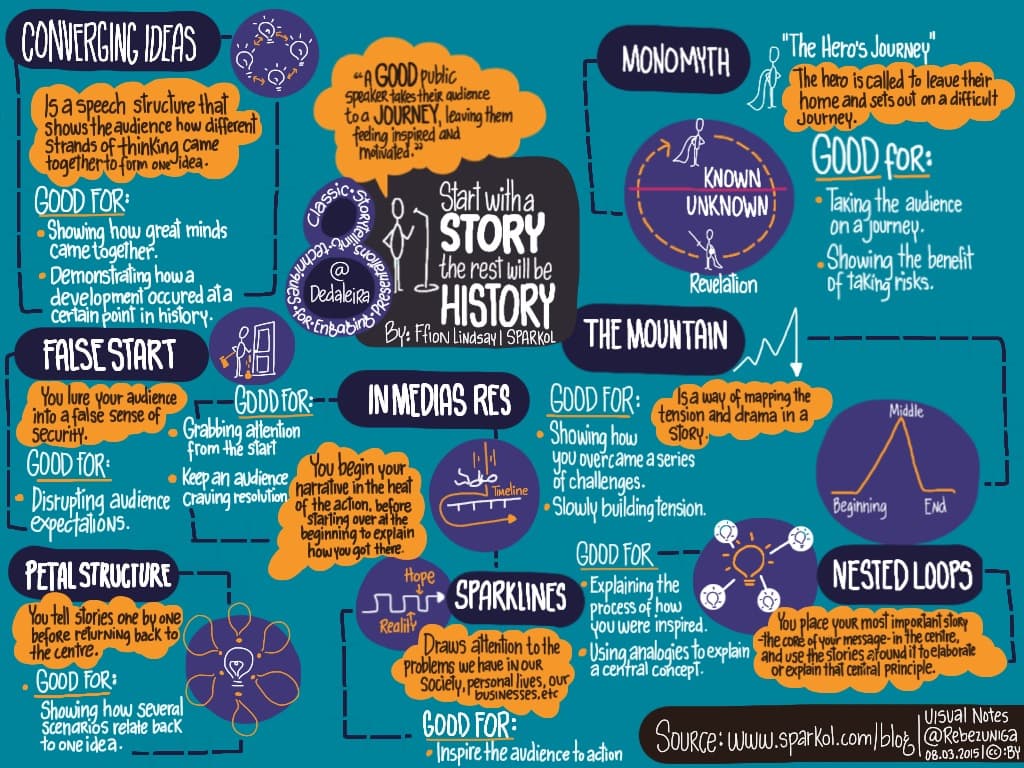
8 Classic storytelling techniques for engaging presentatio… | Flickr View original
Is this image relevant?
Teaching Literary Analysis | www.edutopia.org/blog/reaching-… | Flickr View original
Is this image relevant?
Academia and storytelling are compatible – how to reduce the risks and gain control of your ... View original
Is this image relevant?
8 Classic storytelling techniques for engaging presentatio… | Flickr View original
Is this image relevant?
Personal Essays vs. Memoirs
A personal essay zooms in on a specific theme, idea, or moment. It's a shorter form, typically 1,000–5,000 words, and takes a reflective, analytical approach. You'll find personal essays published as standalone pieces in magazines and literary journals. The goal is usually to explore one question or insight in depth.
A memoir, by contrast, covers an extended period of the author's life. Memoirs are book-length narratives, generally 50,000–100,000 words, and tend to follow a chronological structure. They emphasize personal growth and transformation, whether that's a coming-of-age story, a reckoning with loss, or an account of overcoming adversity.
What they share:
- First-person perspective
- Stories drawn from real personal experience
- A blend of storytelling and introspection
- Emotional honesty as the engine that keeps readers engaged

Authentic Voice Development
Authentic voice is what makes your writing sound like you rather than like a textbook or someone else's essay. It comes from honesty, vulnerability, and a perspective that's genuinely yours. A strong voice also stays consistent in tone throughout the piece.
Building that voice takes practice. Here are concrete ways to develop it:
- Free-write regularly. Set a timer for 10–15 minutes and write without stopping or editing. This helps you find your natural rhythms and instincts on the page.
- Read your work aloud. If a sentence sounds stiff or unnatural when you say it, rewrite it. Your ear catches things your eyes skip over.
- Pay attention to your own speech patterns. The way you actually talk, including your dialect, your phrasing, your humor, can inform your written voice without making the writing too casual for the assignment.
A few traps to avoid:
- Forcing overly formal language that doesn't match how you think
- Imitating another writer's style so closely that your own disappears
- Shifting tone or perspective inconsistently (going from casual to academic and back without purpose)

Crafting Compelling Narratives
Vivid Sensory Details
Strong personal writing puts the reader inside the experience. The most reliable way to do that is through sensory detail that goes beyond sight.
- Engage all five senses. Don't just describe what something looked like. What did the room smell like? What sounds were in the background? The scent of freshly baked bread or the rough texture of tree bark can make a scene feel real in a way that visual description alone can't.
- Choose specific, concrete language. "A cerulean sky stretched over the parking lot" lands harder than "the sky was blue." Precision creates images; vagueness creates nothing.
- Use literary devices with purpose. Similes, metaphors, personification, and onomatopoeia all sharpen your imagery. "Heart pounding like a drum" gives the reader a physical sensation. "Leaves whispering in the breeze" turns a setting into something alive. But use these tools because they serve the moment, not just to show you know them.
- Let setting reflect emotion. A gloomy, overcast day can mirror a character's melancholy. A too-bright fluorescent classroom can heighten anxiety. When atmosphere and mood align, the writing feels intentional.
Insights from Personal Experiences
A personal essay or memoir isn't just a retelling of events. The real work is in the reflection, the part where you show the reader what the experience meant and why it matters beyond your own life.
To get there, try this process:
- Journal about past experiences. Identify turning points, moments where something shifted. Explore your emotional responses honestly, even when they're complicated or unflattering.
- Analyze cause and effect. Why did you react the way you did? What patterns show up across different situations or relationships? Consider how things might have gone differently if you'd made other choices.
- Connect the personal to the universal. This is what separates a diary entry from a personal essay. Your story about losing a friendship can speak to how technology reshapes relationships. Your memory of a childhood place can open into questions about community or change. The strongest personal writing links individual experience to themes like love, loss, growth, identity, or belonging, things every reader recognizes.
The insight doesn't have to be grand. Sometimes the most powerful takeaway is small and specific. What matters is that you move past what happened and into what it means.
See Fiveable more often in Google
Mark Fiveable as a preferred source and Google is more likely to show you our guides in Top Stories, with a "preferred" badge in AI Mode and AI Overviews.