6.2 Consumer Culture and Consumerism

📲Media Literacy Unit 6 Review
6.2 Consumer Culture and Consumerism
📲 Media Literacy
Understanding Consumer Culture and Consumerism
Consumer culture is the idea that buying and owning things sits at the center of social life. Understanding how it works is a core part of media literacy, because so much of the media you encounter exists to encourage consumption. This section covers what consumer culture is, what drives it, how it affects people and the planet, and the role media plays in keeping it going.

Top images from around the web for Definition of consumer culture
The Pursuit of Happiness | Introduction to Psychology View original
Is this image relevant?
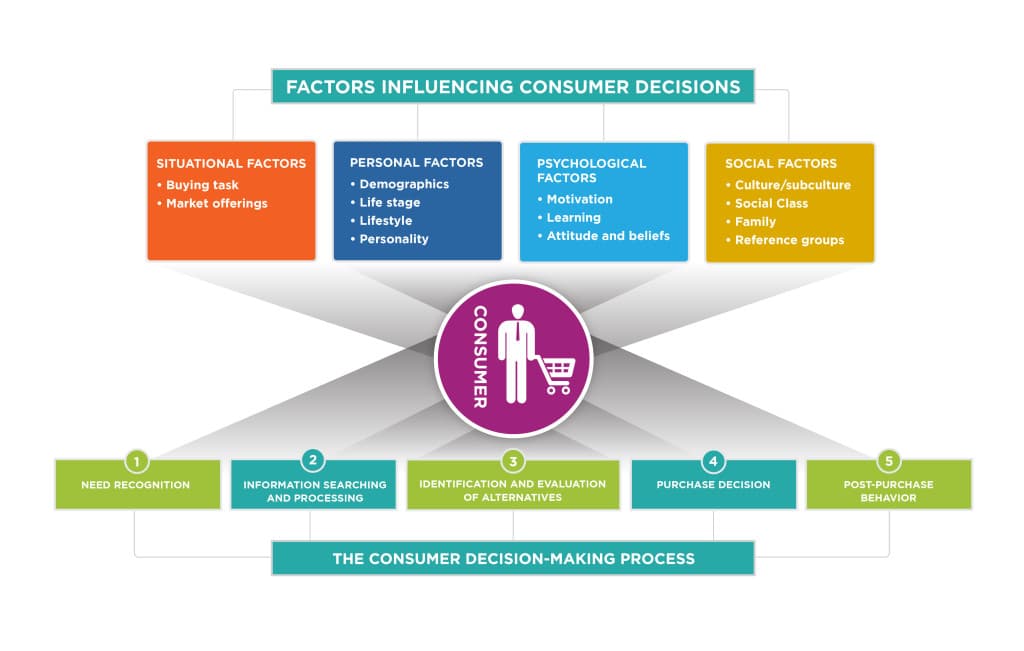
Reading: Influences on Consumer Decisions – Introduction to Marketing I (MKTG 1010) View original
Is this image relevant?
Two divergent paths to happiness View original
Is this image relevant?
The Pursuit of Happiness | Introduction to Psychology View original
Is this image relevant?
Reading: Influences on Consumer Decisions – Introduction to Marketing I (MKTG 1010) View original
Is this image relevant?
Definition of Consumer Culture
Consumer culture is a social and economic system organized around the acquisition and consumption of goods and services. In a consumer culture, people are encouraged to define their identities and social status through what they buy and own.
A few key features set consumer culture apart:
- It places high value on material possessions and the continuous pursuit of new products.
- It frames happiness and success as things you can purchase. Upgrading to the latest smartphone, for example, gets treated as a marker of progress rather than just a practical choice.
- It ties personal identity to consumption habits. The brands you wear, the car you drive, and the tech you carry all become signals about who you are.
This doesn't mean every purchase is shallow. The point is that consumer culture systematically pushes people to see buying as the primary way to express themselves and achieve satisfaction.

Drivers of Consumerism
Consumerism doesn't happen by accident. It's fueled by a mix of sociological and psychological forces working together.
Sociological factors:
- Social comparison and status-seeking. People consume to signal their social standing and keep pace with peers. Owning a designer handbag, for instance, functions less as a practical choice and more as a status marker.
- Cultural norms and expectations. Certain purchases get framed as milestones of a successful life. Buying a house in the suburbs, driving a new car, taking certain vacations: these become things people feel they should do, not just things they want to do.
Psychological factors:
- Identity formation and self-expression. People use products to define and communicate who they are. Wearing band merchandise tells others something about your tastes and values.
- Emotional and hedonic motivations. Consumption often serves emotional needs. Comfort food after a bad day or a spontaneous online purchase can provide a short-term mood boost, even if the satisfaction fades quickly.
- Advertising and marketing influence. This is the big one for media literacy. Ads don't just inform you about products; they actively create desires and shape behavior. Targeted social media ads, for example, use your browsing data to serve you content designed to trigger a purchase impulse.

Impacts of Consumerism
The effects of a consumption-driven lifestyle show up at three levels: individual, social, and environmental.
Individual identity:
- When material possessions become the main way you define self-worth, it can lead to a persistent sense of emptiness. If your self-esteem depends on owning the latest fashion trends, there's always a next thing you don't have yet.
- Psychologists call this the hedonic treadmill: the tendency for people to return to a baseline level of happiness after acquiring something new. You get the upgrade, feel good briefly, then start wanting the next one. This cycle can actually decrease overall life satisfaction over time.
Social relationships:
- Constant comparison based on possessions can strain friendships and create envy. Feeling resentful about a friend's new car is a small example of how materialism can erode trust and closeness.
- Materialistic values can also lead to social isolation when people prioritize shopping and acquiring things over spending time with others.
Environmental consequences:
- Overconsumption drives resource depletion and environmental degradation. Deforestation for palm oil production is one well-documented example where consumer demand directly fuels ecological destruction.
- Disposable consumer goods generate massive waste. Single-use plastics are the most visible case, but fast fashion, cheap electronics, and excessive packaging all contribute to pollution and landfill overflow.
Media's Role in Consumer Culture
Media doesn't just reflect consumer culture; it actively builds and reinforces it. Here's how that works across different channels:
Advertising and marketing create artificial needs by convincing you that you're missing something you didn't know you needed. A commercial doesn't just show you a gadget; it frames your life without that gadget as incomplete. Ads also consistently link products to happiness, success, and attractiveness, making consumption feel like the obvious path to a better life.
Product placement and sponsorship embed brands directly into entertainment content. When a character in a TV show drinks a specific soda or drives a particular car, it normalizes those brands as part of everyday life. Because it doesn't look like a traditional ad, it can bypass your critical defenses.
Representation of consumerist lifestyles in media makes wealth and material excess look aspirational. Reality shows centered on luxury living, celebrity culture coverage, and even home renovation programs all reinforce the idea that more stuff equals a better life.
Social media and user-generated content may be the most powerful driver right now. Influencers build entire careers around showcasing products, and platforms reward content that features aspirational consumption. This creates a feedback loop: you see curated images of other people's purchases, feel pressure to keep up, buy and post your own, and the cycle continues. The key difference from traditional media is that social media makes the comparison feel personal, because it's coming from people who seem like peers rather than distant celebrities.
See Fiveable more often in Google
Mark Fiveable as a preferred source and Google is more likely to show you our guides in Top Stories, with a "preferred" badge in AI Mode and AI Overviews.