1.2 Core Concepts and Principles

📲Media Literacy Unit 1 Review
1.2 Core Concepts and Principles
📲 Media Literacy
Core Concepts and Principles of Media Literacy
Media messages are carefully constructed, not neutral reflections of reality. They're created with specific goals, often involving planning and editing. Understanding how and why media is constructed is the foundation of media literacy, because that awareness changes the way you consume everything from news articles to TikTok videos.
This section covers the core principles: how media is constructed, what values get baked into messages, why different people interpret the same message differently, and how commercial pressures shape what you see.

Top images from around the web for Concept of media construction
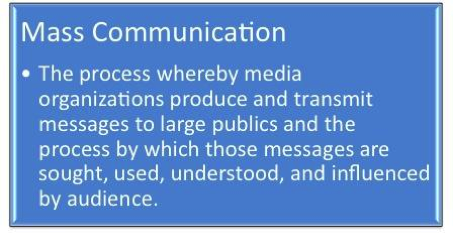
Defining Mass Communication – Introduction to Communication View original
Is this image relevant?
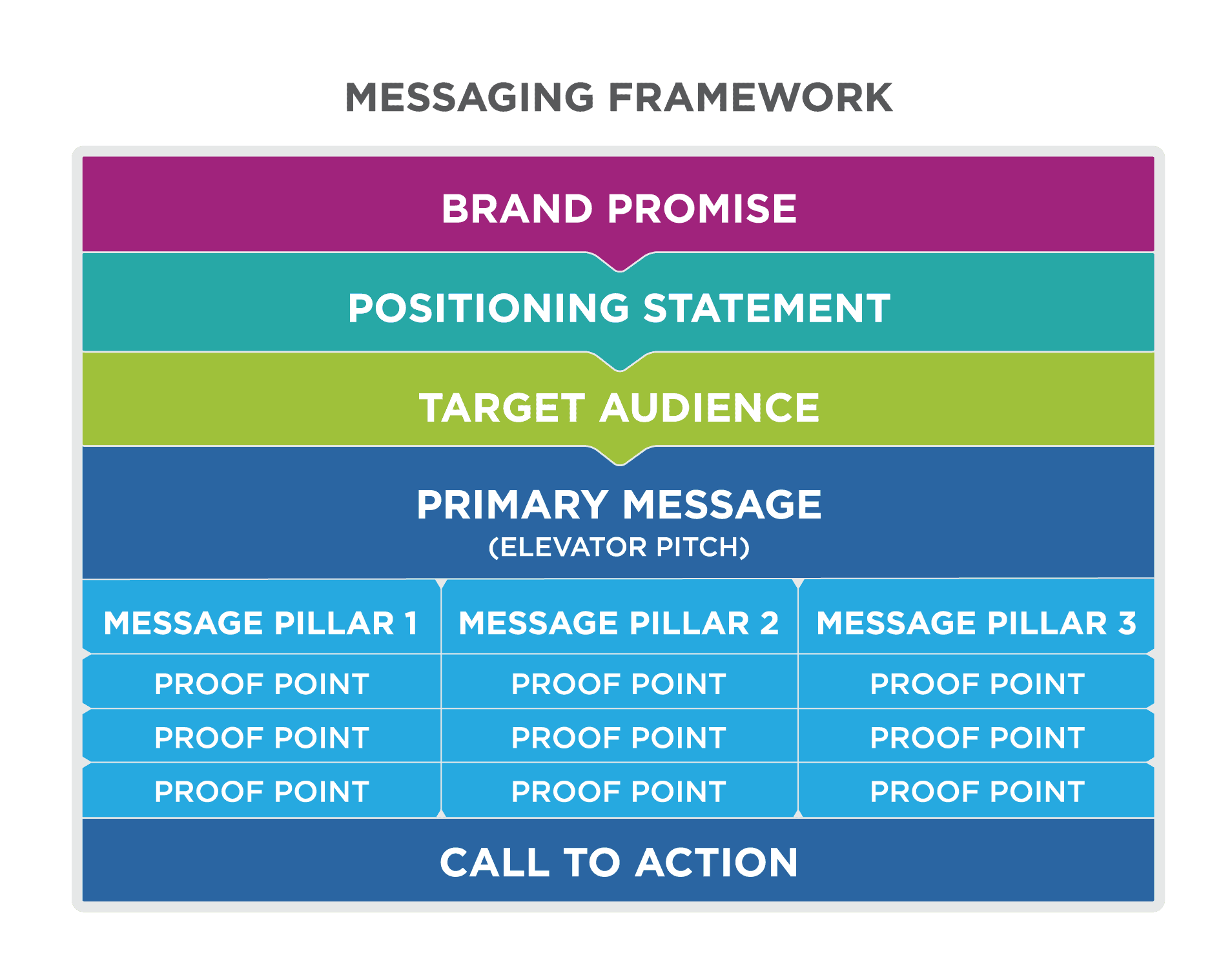
Reading: Defining the Message | Principles of Marketing View original
Is this image relevant?
Communications Process: Encoding and Decoding – Communication for Business Professionals View original
Is this image relevant?
Defining Mass Communication – Introduction to Communication View original
Is this image relevant?
Reading: Defining the Message | Principles of Marketing View original
Is this image relevant?
Concept of Media Construction
Every media message is the result of deliberate choices. Someone (or a team) decided what to include, what to leave out, and how to present it. Those choices serve specific goals: to persuade, inform, or entertain.
The construction process involves concrete steps like storyboarding, scriptwriting, filming, and post-production editing. The final product may not reflect reality accurately. Selective editing, staged events, and special effects all shape what the audience sees.
Why this matters:
- Audiences often perceive constructed messages as real or truthful. Reality TV is a good example: it's heavily edited and sometimes scripted, but it feels authentic.
- Constructed messages can influence thoughts, attitudes, and behaviors. Political campaign ads, for instance, use careful framing to make a candidate look strong or an opponent look weak.
- Media construction can reinforce stereotypes or biases. Think about how certain gender roles or racial representations get repeated across TV shows, ads, and films until they start to feel "normal."
- Over time, these patterns shape public opinion and cultural norms. News coverage decisions and social media trends both play a role in determining which issues people care about.

Embedded Values in Media Messages
No media message is value-free. Every piece of content reflects the values, beliefs, and perspectives of whoever created it. A news outlet with a particular political leaning will cover the same event differently than one with the opposite leaning. Neither version is purely "objective."
Embedded values show up in several ways:
- Topic selection: What gets covered and what gets ignored. This is sometimes called agenda-setting, where media organizations influence what people think about simply by choosing which stories to run.
- Framing and presentation: The same facts can be given a positive or negative spin depending on emphasis, word choice, and structure.
- Inclusion or exclusion of voices: Who gets quoted as an expert? Whose perspective is missing? When marginalized groups are consistently left out of coverage, that's a value choice.
- Technical elements: Camera angles, lighting, music, and editing pace all carry meaning. Ominous background music during a news segment about a politician sends a very different signal than upbeat music would.
Points of view in media can be explicit (like a newspaper editorial) or implicit (like the subtext in a film's casting choices). Some media reinforces dominant cultural narratives, while alternative or independent media may challenge them. Either way, these embedded perspectives influence how audiences interpret issues and can contribute to both social change and polarization.
Individual Interpretation of Media
Two people can watch the same news segment and walk away with completely different reactions. That's because interpretation is shaped by who you are and what you bring to the message.
Personal factors that shape interpretation:
- Age and generational background (a teenager and a retiree may read the same headline very differently)
- Gender, race, ethnicity, and cultural background
- Social and economic status, including education level
- Personal experiences, political affiliation, and religious views
Contextual factors also matter:
- Historical and political context (media produced during the Cold War carries different weight than media produced today)
- Social and cultural norms around topics like gender, religion, or taboo subjects
- Your own media consumption habits, including which platforms and genres you prefer
Because interpretation varies so widely, the same message can produce very different outcomes. Some people feel anger; others feel empathy; others feel nothing at all. Some are persuaded by a message, while others actively push back against it. When groups of people consistently interpret media in opposing ways, it can fuel echo chambers and deepen polarization.
Commercial Nature of Media Content
Most media outlets are businesses. They need revenue to survive, and that revenue typically comes from advertising, sponsorships, or subscriptions. This means they need to attract and keep audiences, because audience size drives profits through ratings, click-through rates, and subscriber counts.
These commercial pressures directly shape the content you consume:
- Topic selection tilts toward what draws attention. Soft news and human interest stories often get priority over complex policy analysis because they pull in bigger audiences.
- Sensationalism sells. Clickbait headlines, dramatic music, and conflict-driven narratives are designed to keep you watching or clicking.
- Sponsored content blurs lines. Product placement, brand mentions, and native advertising (ads designed to look like regular content) are increasingly common.
- Self-censorship is real. Outlets may avoid controversial perspectives that could alienate advertisers or large segments of their audience.
The bigger picture for media diversity:
Media ownership has become increasingly concentrated among a small number of large corporations through mergers and acquisitions. When fewer companies control more outlets, there's greater potential for bias toward commercial interests and less room for alternative or independent voices. Public broadcasting and independent media exist partly to counterbalance this, but they operate with far fewer resources.
Understanding the commercial side of media helps you ask a critical question every time you consume content: Who benefits from me seeing this?
See Fiveable more often in Google
Mark Fiveable as a preferred source and Google is more likely to show you our guides in Top Stories, with a "preferred" badge in AI Mode and AI Overviews.