15.2 Deconstructing Media Messages

📲Media Literacy Unit 15 Review
15.2 Deconstructing Media Messages
📲 Media Literacy
Media messages are carefully constructed to shape how we understand the world. Every choice a creator makes, from camera angle to word selection, carries meaning. By learning to take these messages apart piece by piece, you can uncover both the obvious and hidden meanings they contain, and recognize when someone is trying to influence you.
Analyzing Media Messages
Structure and context of media messages
Structure is the format and organization of a media message. It determines how information flows to the audience.
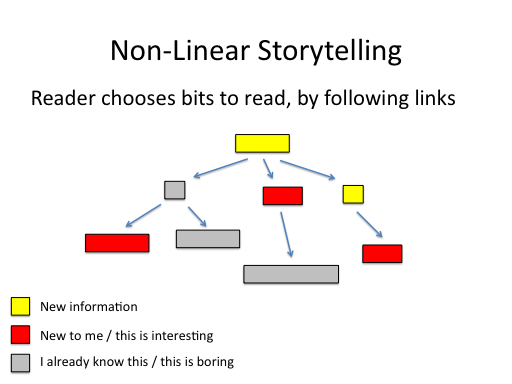
- Linear structures present information in chronological or sequential order. Documentaries and news articles typically follow this pattern, walking you through events from beginning to end.
- Non-linear structures break that sequence. Think of flashbacks in a film, parallel storylines in a TV series, or the branching paths in a video game. These structures force the audience to piece the narrative together, which changes how they engage with the message.
Most media messages combine visual (images, graphics), auditory (sound effects, music), and textual (written or spoken words) elements. The way these elements interact is where much of the meaning lives.
Content is the information, ideas, and themes within the message. It operates on two levels:
- Explicit messages are directly stated or shown. A newscaster reading a headline or a character saying "I'm angry" are explicit.
- Implicit messages are suggested through subtext, symbolism, or connotation. A character clenching their fists, a scene bathed in red lighting, or a long silence after a question all communicate meaning without stating it outright.
How media represents people, places, and events matters enormously. The way a news outlet portrays a protest, or how a film depicts a historical figure, shapes what audiences believe about those subjects.
Context refers to the historical, cultural, and social factors surrounding a message's creation and reception.
- Messages reflect the time period and societal norms they were produced in. Wartime propaganda looks very different from peacetime advertising, and shifting cultural attitudes (toward race, gender, sexuality) show up clearly when you compare media across decades.
- The medium itself affects impact. A story told through a 280-character tweet reaches people differently than a 90-minute documentary or a printed magazine feature.
- Media messages also exist in relation to other content. Remakes, parodies, and genre conventions all create layers of meaning that audiences familiar with the references will pick up on. This is called intertextuality.
Audience and purpose in media
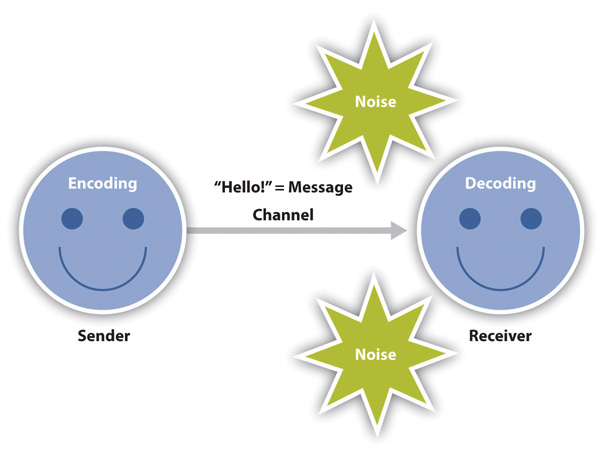
Every media message is crafted with a specific audience in mind. Understanding who that audience is helps you see why certain choices were made.
Creators think about audience in two main ways:
- Demographics are measurable characteristics: age, gender, race, income level, education. A toy commercial targets children; a financial services ad targets higher-income adults.
- Psychographics capture values, attitudes, interests, and lifestyle. An outdoor gear company targets people who value adventure and nature, regardless of their age or income.
The audience's prior knowledge also matters. A medical journal article assumes expert-level understanding, while a health segment on morning TV explains the same topic in everyday language. Same information, very different construction.
Purpose is the goal behind the message. Most media messages fall into one or more of these categories:
- Inform or educate: Public service announcements, news reports, and educational videos aim to raise awareness or build understanding.
- Persuade: Advertisements, political campaign speeches, and opinion editorials try to change what you think or how you act.
- Entertain: Action movies, sitcoms, and music videos are designed to engage you emotionally, whether through excitement, humor, or suspense.
- Promote: Some messages push a specific product, service, or idea, encouraging you to buy in or show support. Brand advertising and social movement campaigns both fit here.
Many messages serve multiple purposes at once. A Super Bowl ad entertains and persuades. A documentary informs and promotes a point of view.
Evaluating Media Messages
Techniques for influencing audiences
Rhetorical devices are persuasive strategies rooted in how they appeal to the audience. These go back to Aristotle, and they're still everywhere.
- Ethos builds credibility and authority. When a toothpaste ad features a dentist's recommendation, or a documentary highlights the filmmaker's credentials, that's ethos at work.
- Pathos targets emotions. Heartwarming family reunions in holiday commercials, dramatic music swelling during a speech, fear-based messaging in public health campaigns: all pathos.
- Logos appeals to logic and evidence. Statistics, research findings, historical examples, and cause-and-effect reasoning all fall under logos.
Strong media messages usually blend all three. A political ad might cite crime statistics (logos), feature a trusted community leader (ethos), and show footage of worried families (pathos).
Persuasive techniques are more specific tactics:
- Testimonials and endorsements use trusted figures or satisfied customers to build credibility. Celebrity endorsements and user reviews both work this way.
- Bandwagon effect appeals to the desire to belong. Phrases like "join millions of satisfied customers" pressure you to conform.
- Scarcity creates urgency by emphasizing limited availability. "Limited time offer" and "only 3 left in stock" push you to act before thinking critically.
- Glittering generalities use vague, positive-sounding language that doesn't actually say much. Terms like "all-natural," "revolutionary," or "freedom-loving" create warm feelings without providing real information.
Audiovisual techniques manipulate what you see and hear to create meaning:
- Camera angles, shots, and movements shape perception. A low-angle shot makes a figure look powerful; a close-up forces intimacy; a shaky handheld camera creates tension or realism.
- Lighting and color set mood and tone. Dark shadows suggest mystery or danger. Bright, warm colors signal optimism or safety. These choices are never accidental.
- Sound effects and music heighten emotional impact. A suspenseful score tells you to feel anxious before anything scary happens on screen. A nostalgic pop song triggers personal memories that get attached to the product or message.
- Editing and pacing control information flow. Rapid cuts create energy and urgency. Slow dissolves suggest the passage of time or reflection. Juxtaposing two images through editing can create meaning that neither image carries alone.
Assumptions and biases in media
Every media message carries assumptions, whether the creator intended them or not. These are beliefs taken for granted as true.
- Messages often rely on cultural norms and expectations. An ad showing a woman doing laundry while a man relaxes assumes traditional gender roles. A news story that only interviews wealthy business owners assumes their perspective represents the whole community.
- Stereotypes and generalizations oversimplify complex groups of people. Racial stereotypes, ageist assumptions about older adults, and one-dimensional portrayals of entire nations all distort reality and can reinforce harmful ideas.
Values are the moral and ideological principles embedded in media content. No message is value-free.
- Messages prioritize certain values over others. An American action film might emphasize individualism and self-reliance, while a Japanese animated film might center community and duty. Neither is neutral.
- The hierarchy of values in a message shapes audience judgment. A news story framed around national security will lead viewers to different conclusions than the same story framed around personal privacy.
Bias is an inclination that favors certain groups, ideas, or perspectives. It shows up in media in several ways:
- Omission: Leaving out alternative viewpoints or underrepresenting certain voices. If a debate segment only features two similar perspectives, opposing views are effectively silenced.
- Selective presentation: Cherry-picking data, presenting opinion as fact, or highlighting only the evidence that supports one conclusion. This can make a biased argument look balanced.
- Favoritism in portrayal: Consistently showing dominant groups in positive roles while depicting marginalized communities through negative stereotypes reinforces existing power imbalances.
The goal of recognizing these patterns isn't to dismiss all media as manipulative. It's to become a more thoughtful consumer who can distinguish between messages that inform honestly and those designed to manipulate.
See Fiveable more often in Google
Mark Fiveable as a preferred source and Google is more likely to show you our guides in Top Stories, with a "preferred" badge in AI Mode and AI Overviews.